


In a candid and unexpected rebuke, a senior U.S. envoy has publicly admitted what many critics of foreign intervention have long argued that the Western involvement in Iraq may have torn the country apart instead of rebuilding it. The envoy described the aftermath of American intervention as a costly experiment in “Balkanization,” a process that fractured Iraq along ethnic, sectarian, and regional lines. These words have hit hard, not only because they come from a representative of a power long accused of meddling, but because they confirm fears many Iraqis and observers have carried for decades.
Such an admission is rare — and its bluntness has sparked fresh debate across and beyond: Was the intervention ever about rebuilding a unified Iraq, or did it always risk plunging the country into a fragmented state?
What Balkanization Means for Iraq
The term “Balkanization” evokes images of dismembered states, fractured identities, and perpetual instability. In Iraq’s case, the idea refers to the division between Shia, Sunni, and Kurdish regions divisions exacerbated by sectarian politics, uneven power distribution, and external influence.
After the 2003 invasion, the U.S. and its allies dismantled the previous regime, but the new political architecture struggled to reconcile Iraq’s deep social and ethnic divides. Regions and communities that had coexisted for decades began to drift apart, each seeking autonomy, protection, or advantage. Over time, this loosened center‑periphery bond weakened the idea of a unified Iraqi state in many minds.
The envoy’s comments underline a major criticism: that the post‑war political reconstruction prioritized short‑term stability over long‑term cohesion. The result a patchwork of competing power centers, fragile alliances, and recurring conflict.
Why the Admission Matters and Why It’s Controversial
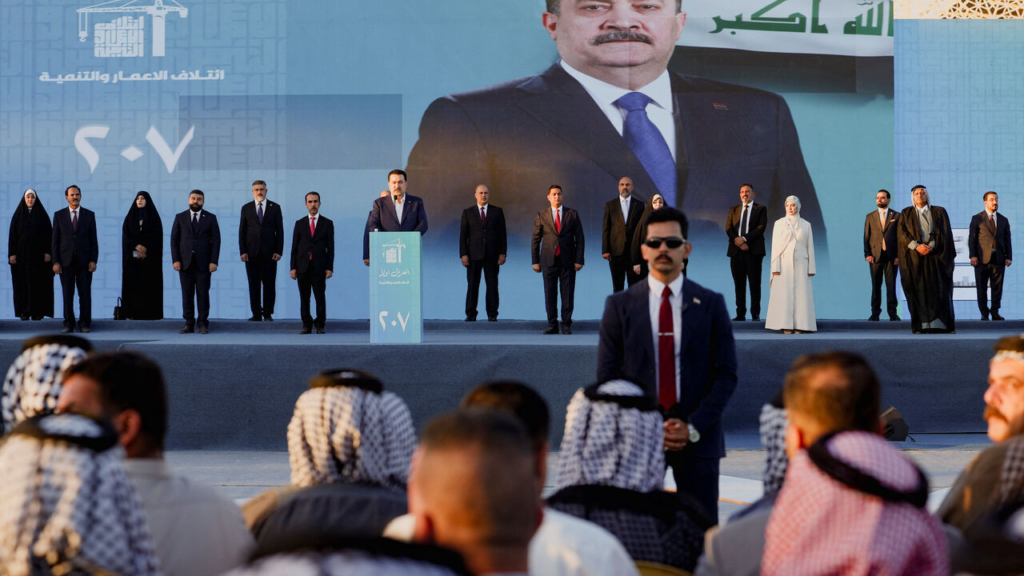
A voice of official U.S. foreign policy admitting such failure marks a significant shift. It challenges decades of narrative built around liberation, democracy, reconstruction.
On one hand, this can open a door for renewed honesty a chance for Iraqis and the international community to re-examine whether rebuilding through foreign intervention can work at all in societies with deep, historic divisions. On the other, it carries heavy implications for how Iraqis view their own sovereignty and identity.
That tension shows in strong reactions. Some militia leaders have threatened the envoy personally, accusing him of betrayal and interference — a stark reminder that many still view foreign presence with suspicion and anger. Others within the government and political class criticize the comments for undermining Iraq’s constitutional federal system, arguing that decentralization and regional autonomy are legitimate.
A Dangerous Moment Or a Chance for Rebirth?
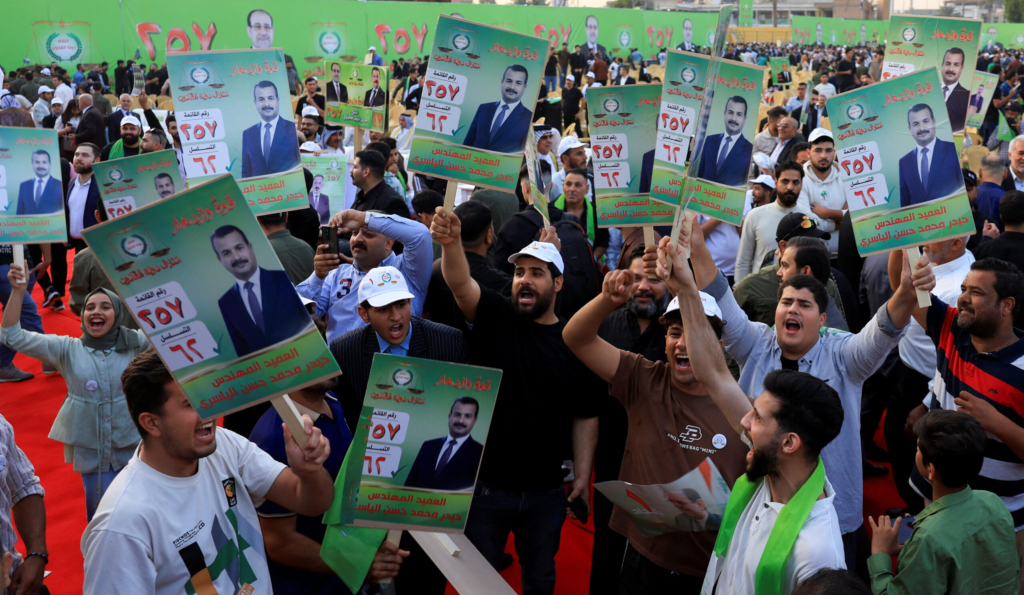
For Iraq today, this reckoning comes at a fragile juncture. The country remains deeply divided, not just along ethnic or sectarian lines, but along generational, socio‑economic and regional lines too. Public services, employment, corruption, and external interference continue to strain trust in central institutions. Militias and semi‑autonomous regional powers still hold influence.
Yet the envoy’s words have jolted many into reflection. Could this be an opening for Iraqis — and their leaders to reimagine unity, not as a uniform identity, but as a shared project of rebuilding trust, shared prosperity, and inclusive governance?
Some see opportunity: a chance to build a new Iraq that acknowledges its diversity, but also invests in common institutions education, infrastructure, rule of law that bind communities together. Others fear the comment could inflame divisions, giving ammunition to those who prefer regional autonomy, or even separation.
What Might Come Next: Paths Forward for Iraq
If the admission results in meaningful policy, Iraq’s next steps could include:
- A renewed emphasis on national unity: re–strengthening central institutions capable of delivering services equitably, to rebuild trust across groups.
- Reducing the power of armed militias and enforcing a monopoly of force under a single government a step toward ending parallel power bases.
- Promoting social and economic policies that benefit all regions, to reduce grievances rooted in neglect or marginalization.
- Encouraging inclusive dialogue to redefine Iraqi identity not around sect or ethnicity, but shared citizenship and national purpose.
However, this path is precarious. The pushback from entrenched interests regional, sectarian, militia groups — is intense. Any attempt at reform will face deeply rooted resistance, and even potential violence.
Why This Debate Matters for Iraq and the World
The reflection triggered by the envoy’s words isn’t just about Iraq’s past mistakes. It’s a window into a global question: can foreign intervention ever build sustainable unity in societies riven by identity fault‑lines? Or does it often sow seeds of division that take generations to heal — if they ever do?
For Iraq, this may be a painful but necessary moment of reckoning: acknowledging failure, confronting divisions, and deciding whether to pursue unity or accept fragmentation.
For the world, especially nations involved in interventions or peacebuilding efforts, it is a cautionary tale. It warns that democracy and stability cannot simply be imposed — they must emerge from within, nurtured by institutions, equal opportunity, and mutual respect.
Do Follow Gulf Magazine on Instagram
Read More:- Gulf Leaders Shape a Bold New Regional Order 2025

