

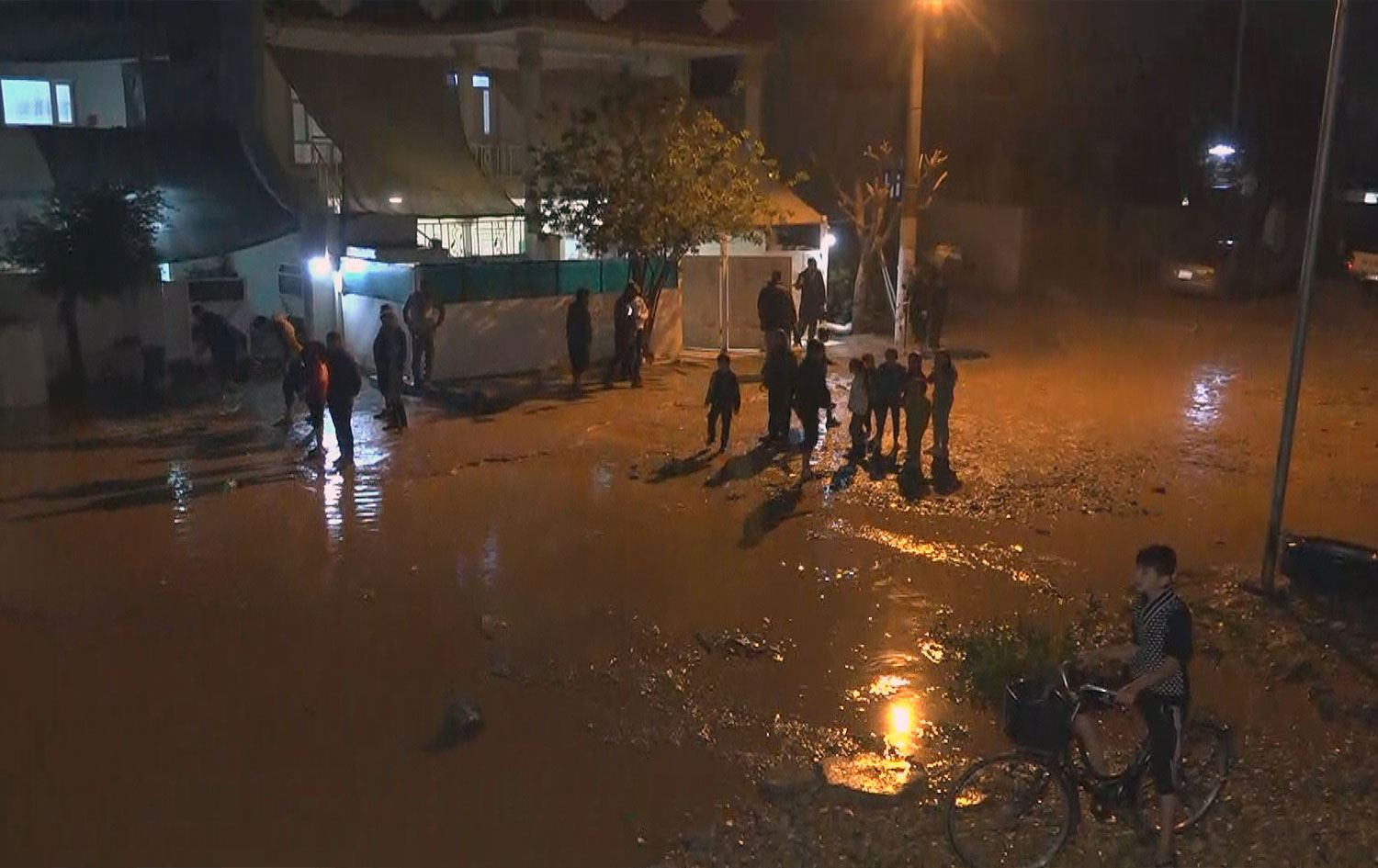
Chamchamal, a town in Iraq’s Kurdistan Region, has been hit by devastating floods, leaving two people dead and four others injured. The disaster, caused by days of relentless rainfall, has torn through neighborhoods, leaving families displaced and homes damaged. Streets have turned into rivers, and the town’s infrastructure has suffered severe damage. The local authorities have warned residents to remain cautious as waters continue to rise in low-lying areas.
Residents described scenes of chaos as sudden torrents of water swept through their neighborhoods. Vehicles were overturned, and bridges were rendered unusable, cutting off access to essential services. Many families spent long hours evacuating their homes, carrying whatever belongings they could salvage.
Personal Stories Amid the Tragedy
For many in Chamchamal, the floods have been a personal tragedy. One family, who had lived in the same home for generations, watched helplessly as water entered their property, destroying cherished possessions. Survivors spoke of the fear and uncertainty as they navigated through waist-deep water to safety. Local volunteers have stepped in to provide food, blankets, and temporary shelter to those affected, highlighting the resilience and compassion of the community.
A young woman who lost her home shared, “We never expected the river to rise so quickly. Everything we owned is gone, but we are alive, and that is what matters most.” These human stories bring a face to the disaster, emphasizing the vulnerability of ordinary people in the face of natural calamities.
Emergency Response and Rescue Efforts
The Kurdistan Regional Government quickly mobilized emergency teams to assist flood victims. Rescue operations included evacuating trapped families, providing medical aid to the injured, and setting up temporary shelters in schools and community centers. Helicopters were dispatched to deliver supplies to areas that were inaccessible by road.
Local authorities have urged people to avoid flooded areas and follow safety instructions. They also warned of potential landslides in hilly areas, further complicating rescue and relief operations. Despite the challenges, the efforts of first responders and volunteers have been commendable, showcasing the importance of organized and immediate action during such crises.
Impact on Infrastructure and Daily Life
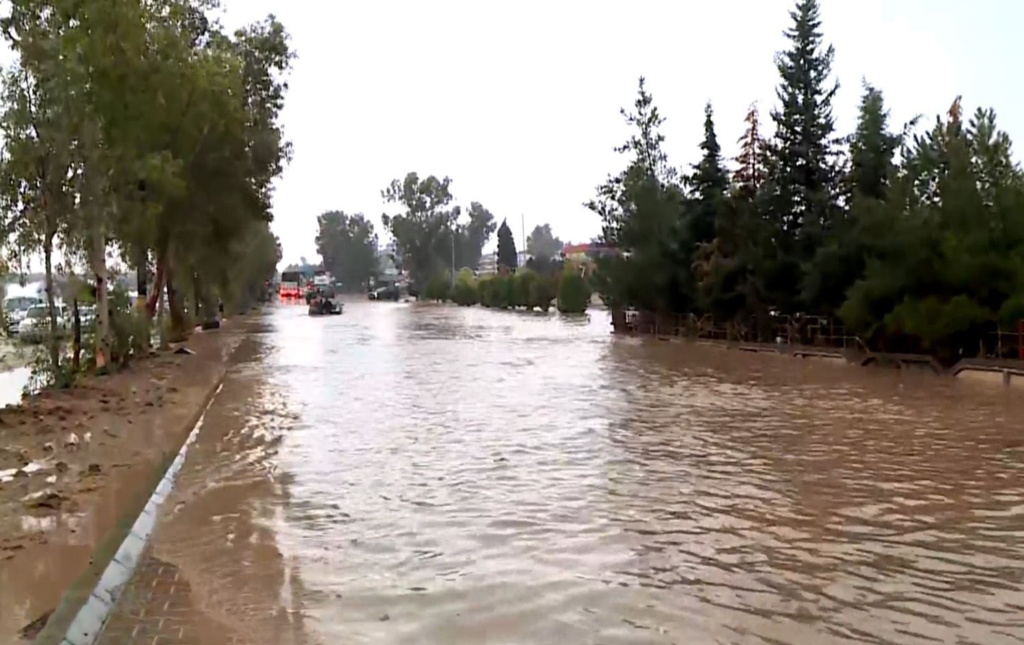
The floods have caused significant disruption to Chamchamal’s daily life. Roads are blocked or damaged, schools remain closed, and businesses have suffered heavy losses. Hospitals are overwhelmed with patients, while water contamination poses additional health risks. Electricity outages have compounded the difficulties, leaving residents struggling in unsafe conditions.
Authorities are working tirelessly to restore essential services, but the scale of the damage means that recovery will take time. Experts warn that if the rainy season continues, more areas could face similar risks. Chamchamal’s residents now grapple not only with immediate loss but also with the uncertainty of rebuilding their homes and livelihoods.
Humanitarian Support and Community Solidarity
In the aftermath of the floods, the local community has shown extraordinary solidarity. Neighbors help one another evacuate homes, share food and supplies, and provide comfort to those traumatized by the disaster. Non-governmental organizations and volunteers from across the Kurdistan Region have joined the relief efforts, setting up emergency aid stations and providing medical care.
Donations of clothes, food, and bedding have poured in from nearby cities. Social media platforms have also been instrumental in connecting victims with rescuers and aid providers, demonstrating the power of technology in disaster response.
Looking Ahead: Recovery and Resilience
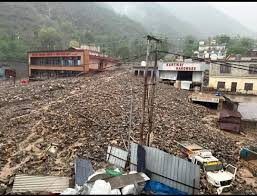
While the immediate focus remains on rescue and relief, the long-term challenge will be rebuilding Chamchamal. Infrastructure repairs, reconstruction of homes, and restoration of public services will require substantial investment and coordinated effort. Experts emphasize the need for improved flood management systems, early warning mechanisms, and community awareness programs to mitigate future risks.
The resilience of Chamchamal’s residents, however, provides hope. Despite their losses, families are determined to rebuild their lives. The disaster has not only highlighted vulnerabilities but also the strength of communal bonds and the human spirit in the face of adversity.
Lessons from Chamchamal’s Tragedy
The floods serve as a stark reminder of the devastating impact of climate-related events on vulnerable communities. Proper urban planning, investment in drainage systems, and disaster preparedness can significantly reduce casualties and property loss. Chamchamal’s experience underscores the importance of proactive measures and community engagement in disaster management.
As relief efforts continue, stories of courage, generosity, and resilience emerge alongside accounts of loss. These narratives remind us that even in tragedy, humanity can shine through, offering lessons of compassion and solidarity that extend far beyond the boundaries of Chamchamal.
Conclusion
Chamchamal’s floods have left an indelible mark on its residents, claiming lives, injuring many, and destroying homes. Yet amid the devastation, the community has rallied together, demonstrating resilience, hope, and solidarity. Immediate rescue and humanitarian support remain critical, but long-term recovery and preparedness will define Chamchamal’s ability to withstand future crises.
As the Kurdistan Region works to restore normalcy, Chamchamal’s story is a poignant reminder of the unpredictable forces of nature and the extraordinary strength of the human spirit in overcoming them.
Do Follow Gulf Magazine on Instagram
Read More:- Saudi Real Estate Thrives as Market Reaches New Operational Heights 2025

