

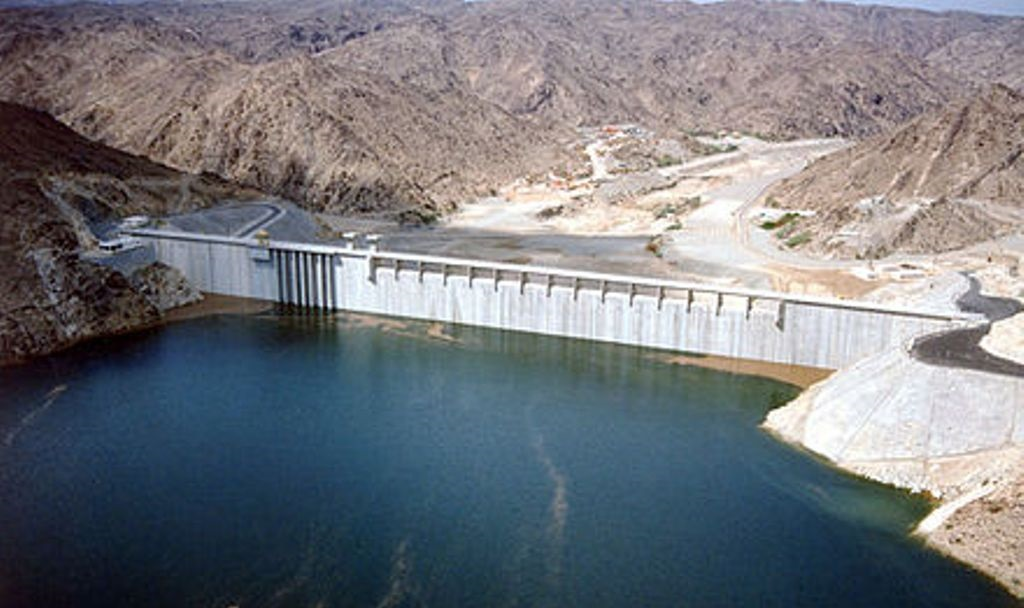
Saudi Arabia, long known for its vast deserts and abundant oil reserves, is taking a bold step toward a sustainable energy future. Arabian Qudra, a leading energy company in the Middle East, has announced plans to establish the Kingdom’s first floating solar plant. This pioneering project reflects the country’s commitment to diversifying its energy mix and embracing innovative solutions that align with global sustainability goals.
Floating solar technology, also known as floating photovoltaic (FPV), involves installing solar panels on water surfaces such as reservoirs, lakes, or artificial ponds. By using water bodies for solar installations, the technology not only saves land but also enhances energy efficiency by keeping panels cool. Arabian Qudra’s initiative marks a significant milestone in Saudi Arabia’s renewable energy journey.
Why Floating Solar?
The concept of floating solar plants is gaining momentum worldwide due to their multiple advantages. Traditional solar farms require vast tracts of land, which can be challenging in densely populated or environmentally sensitive areas. Floating solar, on the other hand, utilizes water surfaces, thereby preserving land for agriculture, urban development, or natural habitats.
In addition, the cooling effect of water reduces panel temperature, improving energy output and efficiency. Floating solar plants also reduce water evaporation from reservoirs, contributing to water conservation—a critical factor in arid regions like Saudi Arabia. By adopting this innovative technology, Arabian Qudra is positioning itself at the forefront of energy innovation in the Middle East.
Strategic Location and Capacity
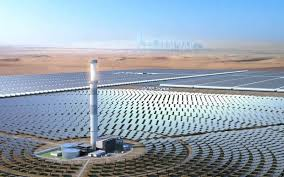
Arabian Qudra has identified a key water reservoir in Saudi Arabia to host its floating solar plant. While the company has not disclosed the exact capacity yet, experts predict that the facility could generate hundreds of megawatts, enough to power thousands of homes and reduce carbon emissions significantly.
The choice of location was strategic. Saudi Arabia faces extreme heat, which can impact the efficiency of solar panels on land. Floating panels benefit from the cooling effect of water, ensuring more stable and higher energy output. Moreover, positioning solar panels on reservoirs that are already part of infrastructure development reduces additional construction costs and environmental impact.
Driving Saudi Arabia’s Vision 2030
The floating solar plant aligns perfectly with Saudi Arabia’s Vision 2030, an ambitious framework aimed at reducing the Kingdom’s reliance on oil while fostering sustainable growth. Renewable energy, particularly solar, is a key pillar of this vision.
Arabian Qudra’s project will not only add substantial renewable capacity but also serve as a model for future solar developments in the region. By demonstrating the feasibility and advantages of floating solar in desert climates, this initiative could encourage other energy companies and investors to explore similar projects across the Kingdom and beyond.
Environmental and Economic Impact
The environmental benefits of floating solar are substantial. By replacing a portion of fossil fuel-based electricity generation, the plant will help reduce greenhouse gas emissions, improve air quality, and contribute to global climate change mitigation efforts.
Economically, the project is expected to create hundreds of jobs in construction, engineering, and maintenance. It will also foster local expertise in renewable energy technologies, paving the way for Saudi Arabia to become a regional hub for solar innovation. Additionally, by leveraging renewable energy, the Kingdom can reduce its dependence on imported fossil fuels and stabilize energy costs over the long term.
Technological Innovation and Collaboration
Arabian Qudra plans to incorporate state-of-the-art solar panels, floating platforms, and monitoring systems to maximize efficiency and longevity. Advanced technology ensures that the floating solar plant will withstand harsh environmental conditions, including high temperatures, sandstorms, and fluctuating water levels.
Collaboration with international solar technology companies and research institutions is also a key part of the plan. By combining local expertise with global knowledge, Arabian Qudra aims to set a benchmark for renewable energy projects in the region. This collaboration could also open doors for Saudi Arabia to export renewable energy knowledge and technology in the future.
Inspiring a Green Future
The floating solar project is more than just an energy initiative; it symbolizes Saudi Arabia’s commitment to a sustainable future. It sends a powerful message to citizens, investors, and the global community that the Kingdom is ready to embrace clean energy and innovative solutions.
Communities around the project will benefit from increased awareness of renewable energy, and educational programs are expected to accompany the project rollout. Young engineers and students can gain firsthand experience in renewable energy, encouraging a new generation of Saudi innovators to lead the country’s green transition.
Challenges and Solutions
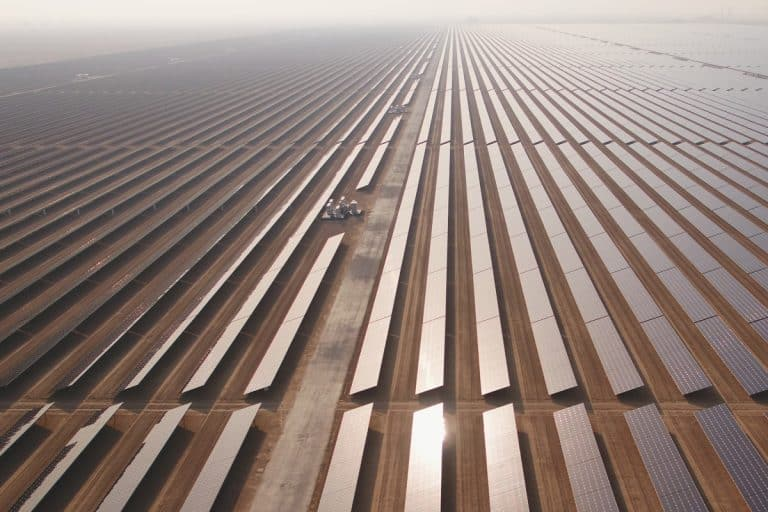
While floating solar is promising, it is not without challenges. Water management, panel maintenance, and initial investment costs can pose obstacles. However, Arabian Qudra’s experience and strategic planning are expected to address these challenges effectively. By adopting modular and scalable design, the company can expand the plant gradually while maintaining operational efficiency.
Regular monitoring and maintenance will ensure that the solar panels perform optimally, while advanced engineering solutions will prevent issues related to water corrosion and structural integrity. The company is also exploring hybrid solutions, combining floating solar with other renewable sources such as wind and conventional solar, to maximize energy output.
Looking Ahead: Transforming Saudi Energy Landscape
Arabian Qudra’s floating solar plant could be the first of many such projects across Saudi Arabia. With an abundance of reservoirs and water bodies, the Kingdom has enormous potential for expanding floating solar capacity. This project sets a precedent for the integration of renewable energy into the nation’s existing infrastructure while maintaining environmental sustainability.
The success of this initiative may also encourage neighboring Gulf countries to adopt similar technologies, positioning the region as a global leader in innovative renewable energy solutions. By combining technology, sustainability, and strategic planning, Arabian Qudra is paving the way for a cleaner, greener, and more resilient energy future.
Conclusion
Arabian Qudra’s plan to establish Saudi Arabia’s first floating solar plant is a transformative step in the country’s renewable energy journey. By leveraging innovative technology, environmental benefits, and economic potential, the project exemplifies the Kingdom’s commitment to sustainability and Vision 2030 objectives.
This floating solar initiative not only promises to provide clean energy to thousands of homes but also inspires a broader shift toward renewable energy adoption across the region. As the world watches, Saudi Arabia is demonstrating that even in a land known for oil, the future can shine bright with solar power.
Do Follow Gulf Magazine on Instagram
Read More:- Gulf Leaders Shape a Bold New Regional Order 2025

