

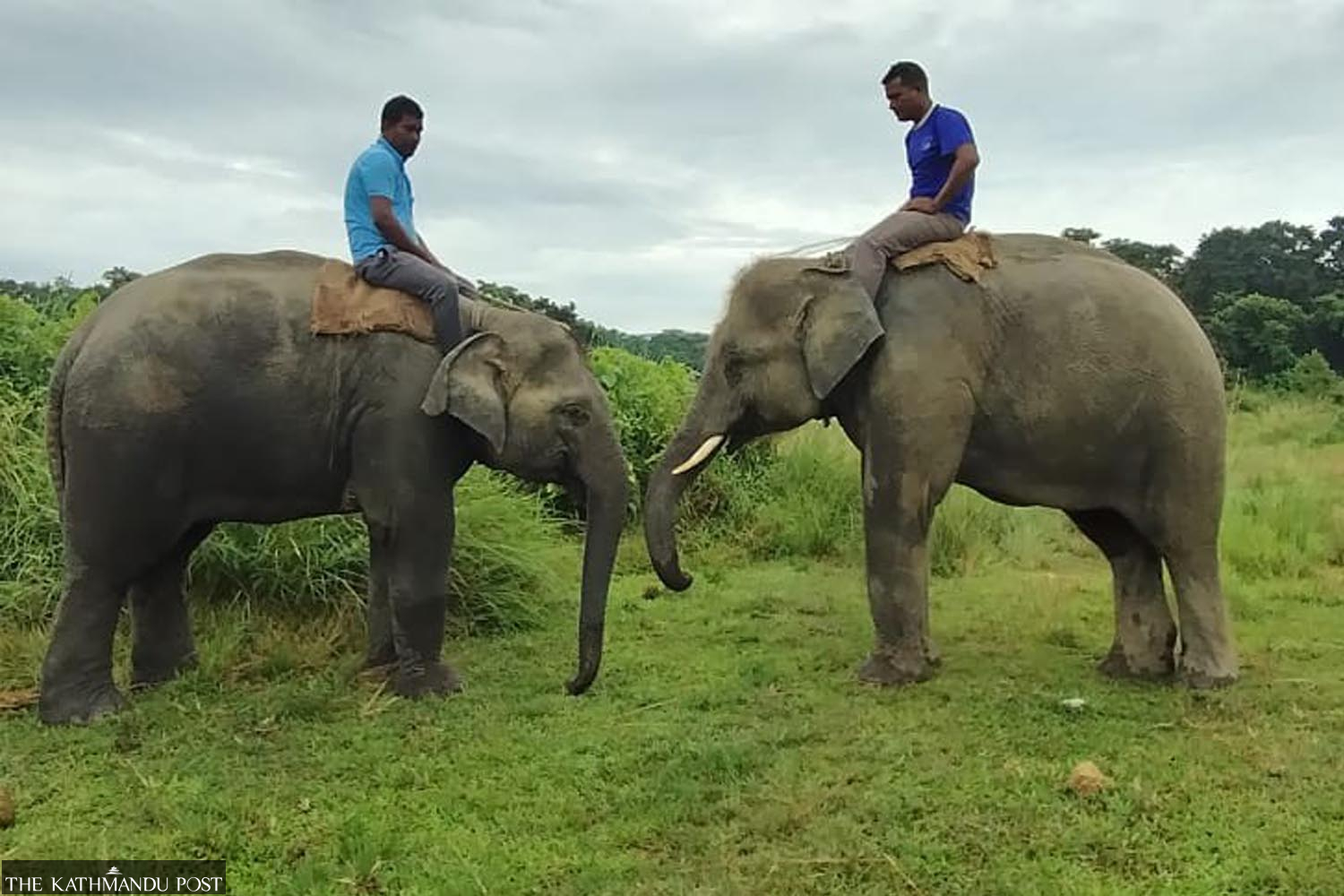
Nepal is gearing up to send two young elephants from Chitwan National Park to Qatar, marking a unique and historic act of wildlife diplomacy. The elephants, Khagendra Prasad, a six-year-old male, and Rudrakali, a seven-year-old female, are set to fly on a chartered aircraft from Gautam Buddha International Airport in Bhairahawa. This initiative reflects Nepal’s commitment to wildlife conservation and the strengthening of diplomatic relations with Qatar.
The decision follows the appreciation expressed by Emir Sheikh Tamim bin Hamad Al-Thani during his state visit to Nepal in April 2024. The gesture symbolizes a fusion of diplomacy, culture, and conservation, highlighting the importance of wildlife as a bridge between nations.
Careful Preparation for Safe Transport
Transporting such large and sensitive animals involves meticulous planning. The elephants will travel in specially constructed iron enclosures, designed to ensure their safety and comfort. These enclosures will be transported along the East-West Highway from Chitwan to Bhairahawa a day before the flight. The journey will take into account road conditions, with technical inspections planned for areas like Daunne to prevent any risks during transit.
Conservation officials emphasize that the elephants are accustomed to their mahouts, Buddhi Lal Shrestha and Pachhukhan Tharu, who will accompany them to Qatar. This continuity of care ensures the animals’ emotional well-being and helps them adapt more smoothly to the new environment.
Qatar’s Modern Facilities for Elephants
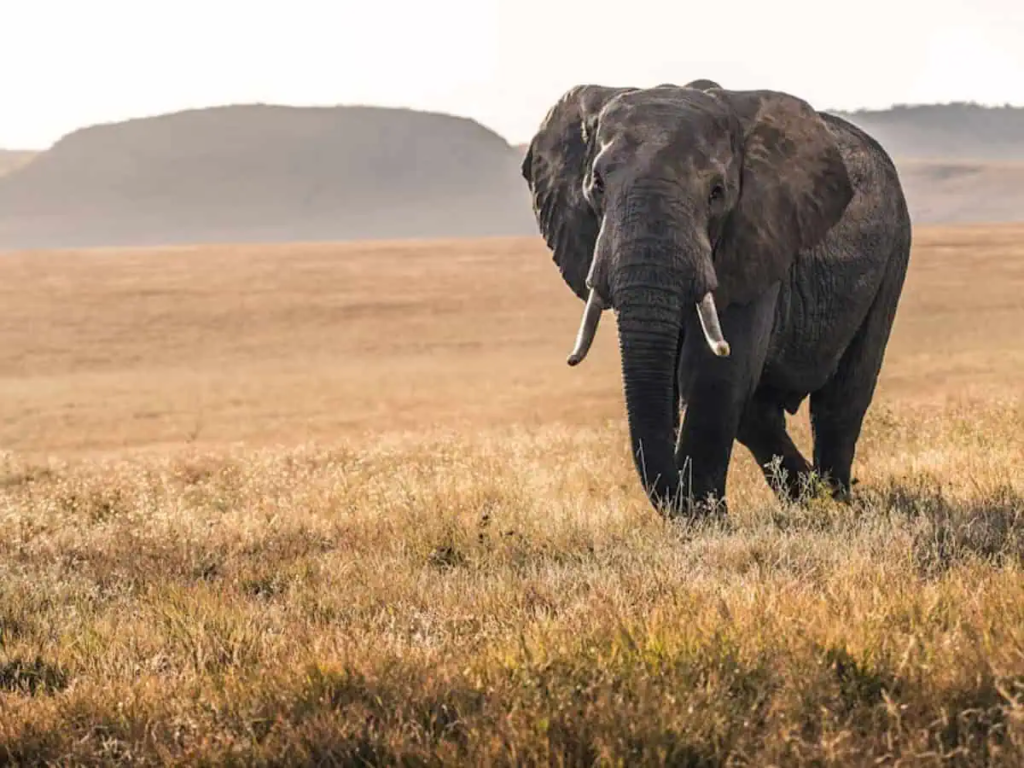
The elephants will be housed at the Al Khor Zoo in Qatar, which will be hosting elephants for the first time. Qatar has constructed climate-controlled enclosures to replicate the temperature and humidity of Chitwan National Park. These enclosures have been carefully designed, with appropriate flooring, cooling systems, and space to meet the elephants’ needs.
Veterinary technician Dinesh Dhakal, along with the mahouts, will stay in Qatar for at least a month to train local handlers on the elephants’ behavior, feeding routines, and care. This training ensures that the elephants’ welfare remains a top priority while introducing them to their new environment.
The Diplomatic Significance
The formal handover ceremony will take place at Bhairahawa Airport on December 17. Representatives from the Qatari Embassy will receive the elephants, while officials from Nepal’s Forest Ministry and Ministry of Foreign Affairs will present them. This event underscores the growing diplomatic engagement between Nepal and Qatar and demonstrates how wildlife conservation can enhance international relations.
Both elephants were born in Chitwan, Nepal’s first national park. Following traditional naming customs for captive-bred elephants, the female receives a name ending in “Kali” or “Mala,” while the male’s name ends in “Prasad” or “Gaj.” Rudrakali is the offspring of Pujakali, and Khagendra Prasad is the calf of Koshikali. These names reflect cultural traditions and the legacy of conservation efforts in Nepal.
A Celebration of Conservation
This initiative highlights Nepal’s ongoing commitment to wildlife conservation. By sending elephants to Qatar, Nepal not only strengthens diplomatic ties but also showcases the success of its wildlife protection programs. Chitwan National Park, home to these elephants, is a symbol of Nepal’s dedication to preserving its rich biodiversity.
Officials involved in the project have taken extraordinary steps to ensure the elephants’ welfare, from carefully planning the transport route to coordinating veterinary support. Every detail, from climate-controlled enclosures to the selection of experienced mahouts, demonstrates the careful balance between diplomacy and animal welfare.
Community and Global Impact
The transfer of the elephants also brings international attention to Nepal’s conservation programs. It encourages collaboration between countries on wildlife protection, education, and research. Qatar, by introducing elephants to its zoological facilities, will benefit from the knowledge shared by Nepalese experts. This cross-border cooperation strengthens global awareness of conservation practices and sets a precedent for similar initiatives in the future.
Looking Forward
As the elephants embark on this historic journey, their story serves as a reminder of the important role wildlife plays in diplomacy, culture, and environmental stewardship. The careful planning, attention to detail, and respect for animal welfare exemplify how nations can creatively combine tradition, conservation, and international relations.
This historic gift of Khagendra Prasad and Rudrakali is more than just a diplomatic gesture; it is a celebration of Nepal’s wildlife heritage and a message of goodwill to the world.
Do Follow Gulf Magazine on Instagram
Read More:- Gulf Leaders Shape a Bold New Regional Order 2025

