


On any given evening, Alsuwaidi Park in Riyadh is a familiar place for families, walkers, and friends seeking a moment of calm. During Ethiopian Cultural Days, however, the park takes on a new life. The air fills with the rich aroma of freshly roasted coffee beans, the sound of laughter mingles with traditional music, and curious visitors gather around food stalls and cultural displays. What unfolds is not just an event, but a shared human experience where stories, traditions, and emotions travel across borders.
This celebration offers residents and visitors a chance to slow down, taste something new, and connect with a culture that values hospitality, community, and deep-rooted traditions.
Ethiopian Culture Finds a Home in Riyadh
A Celebration Beyond Borders
Ethiopian Cultural Days reflects the growing openness of Riyadh to global cultures. Ethiopia and Saudi Arabia share centuries of historical ties through trade, migration, and shared regional connections. This event builds on that history by bringing Ethiopian heritage into a public space where everyone is welcome.
Families stroll through the park, children point excitedly at colorful outfits, and elders pause to listen to familiar rhythms. For Ethiopians living in Riyadh, the event feels like home. For Saudis and other residents, it becomes an invitation to understand a culture through its most human expressions food, music, and conversation.
The Power of Community Presence
The event is shaped by people rather than performances alone. Volunteers greet visitors with smiles, explain traditions with pride, and encourage participation. This personal touch transforms curiosity into connection. It is not about observing from a distance, but about stepping into a shared moment.
The Coffee Ceremony That Captures Hearts
More Than a Drink
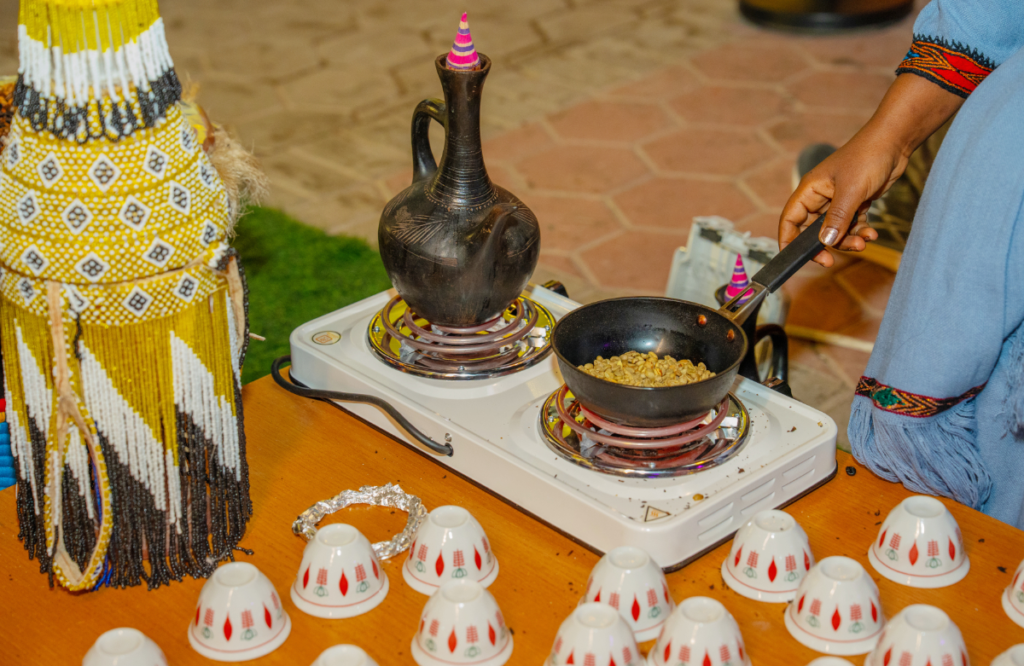
At the heart of Ethiopian culture lies coffee, and at Alsuwaidi Park, it becomes the soul of the celebration. Ethiopia is widely known as the birthplace of coffee, and its traditional coffee ceremony is a deeply respected ritual. Visitors gather as green coffee beans are roasted over open heat, releasing a warm, earthy fragrance that draws people closer.
The process is unhurried. Beans are ground by hand, brewed carefully, and served in small cups. Each step carries meaning patience, respect, and togetherness. For many visitors, this is their first time witnessing coffee as a ceremony rather than a quick beverage.
A Moment of Togetherness
As cups are passed around, conversations begin naturally. Strangers exchange smiles, ask questions, and share reactions to the strong yet smooth flavor. In these quiet moments, the ceremony does what words often cannot it brings people together.
A Culinary Journey Through Ethiopian Flavors
Food That Tells Stories
Ethiopian cuisine is bold, comforting, and deeply symbolic. At the park, food stalls showcase dishes that reflect family traditions passed down through generations. Injera, the soft sourdough flatbread, becomes the foundation of many meals, topped with richly spiced stews and vegetables.
Visitors are encouraged to eat the traditional way using their hands, sharing from a common platter. This style of dining feels unfamiliar to some at first, but quickly becomes an enjoyable expression of trust and community.
Spices That Warm the Soul
The flavors are layered and memorable. Berbere spice blends bring warmth without overwhelming heat, while slow cooked lentils and meats offer depth and comfort. Even those trying Ethiopian food for the first time often express surprise at how satisfying and balanced the dishes feel.
Food here is not just nourishment. It is memory, identity, and love served generously.
Music and Dance That Speak Without Words
Rhythms of Heritage
Music flows through Alsuwaidi Park throughout the celebration. Traditional Ethiopian instruments and modern sounds blend seamlessly, creating an atmosphere that invites movement. The rhythms are energetic yet soulful, echoing stories of joy, struggle, and resilience.
Dance as Expression
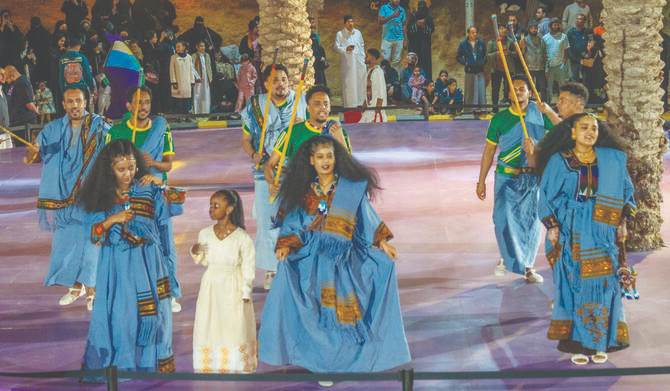
Dancers dressed in traditional attire perform with expressive shoulder movements and graceful steps unique to Ethiopian culture. Audiences gather, clap along, and sometimes join in. There is no pressure to perform perfectly. What matters is participation and joy.
In these moments, language barriers fade. Music becomes the common ground where everyone understands the emotion being shared.
Traditional Dress and Visual Beauty
Colors That Carry Identity
The visual beauty of Ethiopian Cultural Days is impossible to miss. Traditional clothing made from white cotton fabric, often decorated with colorful embroidery, stands out against the greenery of the park. Each pattern and color carries cultural meaning, representing regions, celebrations, and heritage.
Visitors frequently stop to admire the craftsmanship, ask questions, and take photos. For those wearing the garments, it is a moment of pride and visibility.
Art That Preserves History
Handcrafted items, paintings, and cultural artifacts are also displayed, offering insight into Ethiopian history and daily life. These pieces serve as reminders that culture is preserved not only in books, but in hands, homes, and hearts.
A Family Friendly Cultural Experience
Children at the Center
Children play a special role in the event. Workshops, storytelling sessions, and interactive activities help young visitors learn through experience. Ethiopian children see their culture celebrated openly, strengthening their sense of identity. Other children discover new sounds, tastes, and traditions, planting seeds of curiosity and respect.
Shared Moments for Families
Parents sit together watching performances, sharing food, and explaining traditions to their children. These shared experiences create lasting memories and meaningful conversations long after the event ends.
Human Connections That Last Beyond the Event
Conversations That Build Understanding
One of the most powerful aspects of Ethiopian Cultural Days is the conversations that unfold naturally. Visitors ask about the meaning behind rituals, the origins of dishes, and daily life in Ethiopia. These exchanges break stereotypes and replace them with real stories.
People leave not just with full stomachs, but with a deeper understanding of a culture and the people who carry it.
A Sense of Belonging
For Ethiopians living in Riyadh, the event offers recognition and belonging. Seeing their culture appreciated in a public space affirms their place in the city’s diverse social fabric. For others, it reinforces the idea that Riyadh is a city where cultures can coexist and enrich one another.
Riyadh’s Growing Cultural Landscape
A City Embracing Diversity
Ethiopian Cultural Days is part of a broader cultural movement in Riyadh. The city continues to open its parks and public spaces to global communities, creating opportunities for dialogue and shared celebration. These events reflect a future where diversity is not only accepted but embraced.
Culture as a Bridge
By hosting such celebrations, Riyadh strengthens social bonds and encourages empathy. Culture becomes a bridge connecting people through shared human experiences food, music, family, and storytelling.
A Lasting Impression at Alsuwaidi Park
Memories That Linger
As the evening winds down and the last cups of coffee are served, visitors leave Alsuwaidi Park carrying more than souvenirs. They carry memories of warmth, generosity, and connection. The aroma of coffee lingers, as does the feeling of having been welcomed into something meaningful.
Looking Ahead
Ethiopian Cultural Days is more than a single event. It is a reminder of how powerful cultural exchange can be when it is rooted in humanity. In a simple park in Riyadh, people from different backgrounds come together, share space, and leave feeling a little more connected to one another.
In a world that often feels divided, moments like these quietly prove that understanding can begin with a shared meal, a cup of coffee, and an open heart.
Do follow Gulf Magazine on Instagram.
Also Read – Saudi Arabia Meat Market: Rising Demand, New Trends, and Key Growth Drivers

