

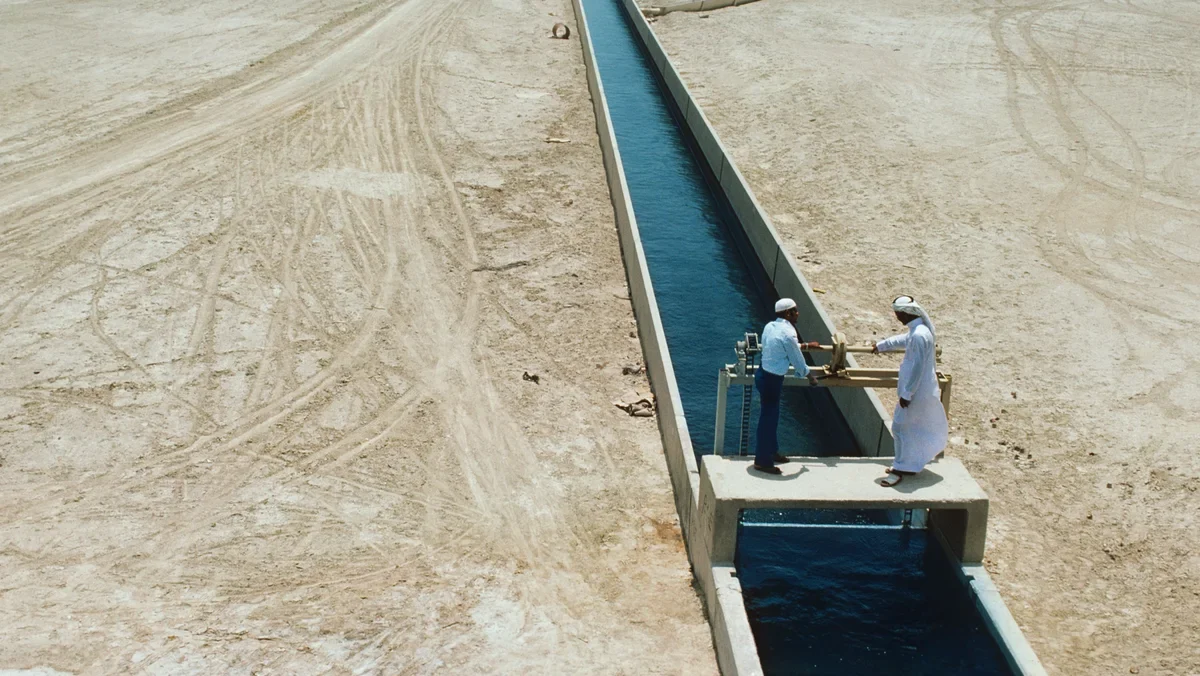
In the vast, sun-scorched expanses of the Saudi desert, survival depended on ingenuity. For centuries, water was a precious and scarce resource. Yet, long before the invention of modern refrigeration, desert communities developed ingenious methods to cool and preserve water. These innovations reveal not only practical problem-solving but also a deep understanding of natural processes, demonstrating the resilience and creativity of human societies living under extreme conditions.
The harsh climate of the Arabian desert, with its blistering daytime heat and arid environment, posed one of the greatest challenges for communities that relied on water for survival. It is within this context that ancient innovators created systems that allowed water to remain cool and drinkable, even under the relentless sun.
The Art of Cooling with Earthenware
One of the most remarkable techniques involved the use of earthenware pots, known locally as qawareer. These porous clay vessels could absorb a small amount of water into their walls. As the heat of the desert sun caused this water to evaporate, it drew heat from the remaining water inside, lowering its temperature. This natural evaporation method created a primitive but highly effective cooling system.
Families would often place these pots in shaded courtyards or partially buried them in sand, where the combination of evaporation and insulation could reduce water temperatures significantly. In many instances, water could be kept cool enough to drink comfortably even in the hottest hours of the day.
The Ingenious Role of Wind and Architecture
Desert innovators did not rely solely on pottery. They also understood how to harness the desert wind to their advantage. Simple structures known as wind catchers or malqaf were designed to direct airflow into water storage areas, enhancing natural cooling. By creating a constant draft over containers of water, communities could reduce the temperature effectively, even without modern machinery.
Architecture played a crucial role in these cooling methods. Thick walls, narrow corridors, and shaded courtyards were common features of traditional desert homes. These designs minimized heat exposure and allowed air to circulate efficiently around water storage vessels, further enhancing cooling.
Sand as a Natural Insulator
Another simple yet effective method involved the desert sand itself. Water containers were often buried in sand, which acted as an insulating layer, protecting the water from direct sunlight and extreme heat. The sand also maintained a relatively stable temperature compared to the fluctuating air temperature, keeping water cooler for longer periods.
This technique was particularly important for travelers and nomadic tribes, who relied on portable water storage. Sand-covered containers could sustain cooler water over long journeys, ensuring hydration and survival in a harsh environment.
Plant-Based Cooling Methods
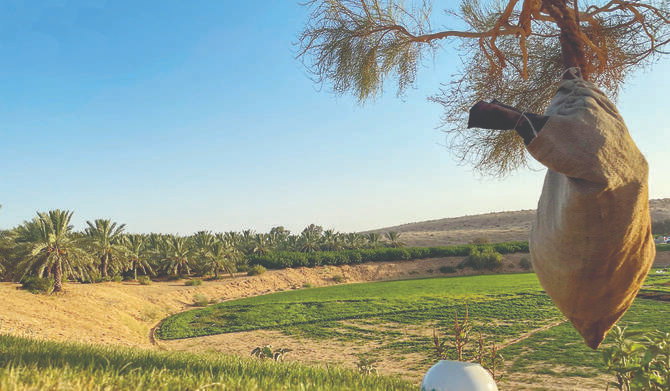
Desert communities also turned to vegetation to aid in water preservation. Date palms and other native plants provided much-needed shade for water storage areas, significantly reducing exposure to the sun. Some plants were even used to wrap water vessels, further enhancing cooling through evaporation.
Communities observed these natural processes closely, learning how to position water containers near plants or in shaded areas where the temperature would naturally be lower. This approach demonstrates a profound connection to the environment and an understanding of the delicate balance between nature and human needs.
Lessons from Ancient Desert Innovation
The Saudi desert’s water-cooling techniques are more than historical curiosities—they offer lessons for modern sustainability. In a world increasingly focused on reducing energy consumption, these ancient methods show how human ingenuity can harness natural processes effectively. Evaporative cooling, insulation using natural materials, and passive airflow systems are all principles that remain relevant today.
Modern architects and designers have drawn inspiration from these techniques. Sustainable buildings in arid regions often incorporate wind catchers, thick walls, and shaded courtyards, reflecting the same principles used by desert communities centuries ago. These methods demonstrate that innovation does not always require technology; sometimes, it is the clever observation of nature that leads to the most effective solutions.
Preserving Cultural Heritage Through Innovation
The ingenuity of desert communities is a testament to human resilience. These water-cooling techniques, passed down through generations, represent a fusion of practicality, culture, and science. They are a reminder that the harshest environments can foster some of the most creative solutions.
Efforts are now being made to preserve this knowledge, not only as cultural heritage but also as a source of inspiration for sustainable practices. Museums, cultural centers, and educational programs in Saudi Arabia have begun highlighting these ancient innovations, showcasing the brilliance of desert communities in adapting to their environment.
Relevance in Modern Sustainability
Even today, these traditional methods have practical applications. Evaporative cooling techniques inspired by ancient desert practices are used in modern eco-friendly refrigeration and water storage systems. By combining old wisdom with contemporary technology, engineers can design solutions that are both energy-efficient and environmentally friendly.
Communities living in arid regions around the world face challenges similar to those of ancient Saudi tribes. Learning from desert ingenuity offers pathways to reduce energy use, conserve water, and live sustainably under harsh climatic conditions.
The Human Spirit Behind Innovation
At the heart of these innovations lies the human spirit—a drive to survive, adapt, and thrive despite adversity. The Saudi desert’s water-cooling methods are not just about technology; they are about resilience, observation, and the capacity to turn limitations into creative solutions.
These ancient practices remind us that necessity is often the mother of invention. Faced with extreme conditions, humans developed methods that were not only practical but also harmonious with nature. In doing so, they left a legacy of wisdom that continues to inspire sustainable living today.
Conclusion: Timeless Wisdom of the Desert
The Saudi desert’s ingenuity in cooling water long before refrigeration reflects the remarkable creativity and adaptability of its people. From porous clay pots to wind-driven ventilation systems, sand insulation, and plant-based shading, these techniques illustrate a sophisticated understanding of natural processes.
Today, as we face global challenges related to energy and sustainability, these ancient innovations offer timeless lessons. They remind us that solutions to modern problems often exist in the wisdom of the past, waiting to be rediscovered and adapted for a better, more sustainable future.
The desert, with all its harshness and beauty, continues to teach us that human innovation is boundless when guided by necessity, observation, and a deep respect for the environment.
Do follow Gulf Magazine on Instagram.
Also Read – Saudi National Museum to Celebrate World Arabic Language Day

