


The Gulf Cooperation Council (GCC) countries, led by Saudi Arabia, have long been associated with oil wealth and hydrocarbon exports. However, as the world shifts toward renewable energy and sustainability, these nations are redefining their economic identities. The post-oil era is not merely a challenge; it is an opportunity to emerge as industrial and technological powerhouses.
Saudi Arabia’s Vision 2030 acts as a blueprint for transformation, emphasizing industrial diversification, technological advancement, and investment in human capital. Similarly, other GCC countries, including the UAE, Qatar, and Oman, have launched strategic initiatives to move away from oil dependency and invest in knowledge-based economies.
This vision is not abstract; it is tangible in the creation of new industrial zones, technological cities, and innovative ecosystems that encourage entrepreneurship, research, and global collaboration.
Strategic Industrial Development in the GCC
Expanding Manufacturing Capabilities
Saudi Arabia and its GCC neighbors are investing heavily in advanced manufacturing sectors. From petrochemicals and aerospace to pharmaceuticals and renewable energy equipment, these nations are building a resilient industrial base that reduces dependence on crude oil revenues.
Industrial cities like King Abdullah Economic City in Saudi Arabia and Khalifa Industrial Zone in Abu Dhabi are prime examples. These hubs combine infrastructure, logistics, and regulatory support to attract local and international companies. The goal is not only to produce goods for domestic consumption but to become global exporters of high-value products.
Diversification and Sustainability
Diversification is at the core of the GCC industrial strategy. Investments are increasingly focused on sectors that promise long-term sustainability, such as clean energy, electric vehicles, and water technologies. Solar and wind energy projects are booming, positioning these countries as leaders in renewable energy innovation.
Sustainability also extends to the circular economy model, where waste is minimized, and resources are reused efficiently. This holistic approach ensures that industrial growth aligns with environmental responsibility and global climate commitments.
Technological Innovation as a Growth Engine
Smart Cities and Digital Transformation
The GCC countries are investing heavily in digital infrastructure to build smart cities, creating ecosystems powered by AI, IoT, and blockchain technologies. Cities such as NEOM in Saudi Arabia exemplify futuristic urban planning, combining sustainable living, technological integration, and industrial productivity.
Digital transformation is not limited to urban development. Public and private sectors are adopting smart governance, e-commerce platforms, fintech solutions, and advanced healthcare systems. These technologies enhance efficiency, transparency, and global competitiveness.
Artificial Intelligence and Robotics
AI and robotics are becoming central to industrial automation in the GCC. From predictive maintenance in manufacturing plants to autonomous transport solutions, these technologies reduce costs, improve safety, and boost productivity.
Saudi Arabia’s investments in AI research centers and robotics labs demonstrate a commitment to nurturing local talent while attracting international expertise. The UAE, meanwhile, is rapidly adopting AI across government services, finance, and logistics, turning cities into living laboratories for intelligent solutions.
Biotechnology and Healthcare Innovation
Healthcare and biotechnology are emerging as strategic sectors for the GCC. Investments in pharmaceutical research, genomics, and medical technology are helping build a knowledge-driven economy. Saudi Arabia and Qatar are partnering with global research institutions to develop homegrown solutions that can compete on the international stage.
Biotechnology not only strengthens healthcare resilience but also creates high-value industrial opportunities, ranging from medical equipment production to biofuel innovation, demonstrating the region’s readiness for a diversified post-oil economy.
Human Capital and Knowledge Economy
Education and Talent Development
No industrial or technological leap can occur without skilled human capital. GCC countries are focusing on education reforms, vocational training, and international partnerships to equip their workforce with future-ready skills. Universities and research institutions are increasingly aligned with industrial and technological needs, fostering innovation and entrepreneurship.
Scholarships, international collaborations, and specialized training programs are creating a new generation of engineers, scientists, and innovators who will drive the GCC’s post-oil economy forward.
Encouraging Entrepreneurship and Startups
The startup ecosystem in the GCC is thriving, supported by government-backed incubators, accelerators, and investment funds. From fintech and health tech to renewable energy and artificial intelligence, entrepreneurs are finding fertile ground for innovation.
By nurturing homegrown startups, the GCC countries aim to create self-sustaining economic models that generate employment, attract investment, and establish global competitiveness in emerging industries.
Regional Collaboration and Global Partnerships
Strengthening GCC Unity
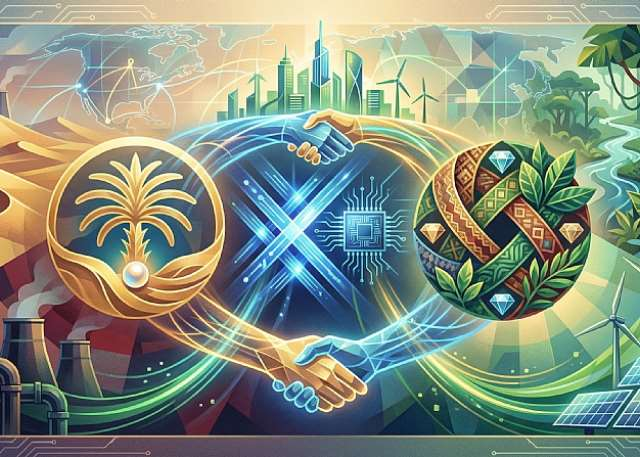
Collaboration within the GCC is a strategic advantage in the post-oil era. By pooling resources, harmonizing policies, and coordinating industrial strategies, the member states can achieve economies of scale and create a competitive industrial bloc.
Joint investments in renewable energy, logistics, and technology parks are laying the foundation for an interconnected, innovative, and resilient regional economy.
Global Engagement and Foreign Investment
Attracting foreign investment and expertise is central to GCC industrial and technological growth. Countries are opening their markets to international companies, offering incentives, and creating regulatory frameworks conducive to global partnerships.
This engagement accelerates knowledge transfer, introduces best practices, and positions the GCC as a hub for international trade, technology, and industrial innovation.
Challenges and Opportunities
While the transformation journey is promising, it comes with challenges. Dependence on oil revenue for government budgets, the need for technological adoption, and global competition require careful planning and sustained effort.
However, the opportunities outweigh the risks. GCC countries are strategically positioned to become global leaders in industrial innovation, renewable energy, digital transformation, and human capital development. Their commitment to innovation, sustainability, and collaboration is setting the stage for a prosperous post-oil era.
Conclusion: A Future Powered by Innovation
The GCC, led by Saudi Arabia, is charting a bold course toward industrial and technological leadership in the post-oil world. Through visionary planning, massive investment in infrastructure and technology, and a focus on human capital, the region is redefining its economic future.
From smart cities and AI-driven industries to sustainable manufacturing and biotech innovation, the GCC countries are creating a diversified economy that is resilient, competitive, and globally influential.
The post-oil era is not an end but a beginning a transformative journey where Saudi Arabia and its GCC neighbors are emerging as industrial and technological powerhouses capable of shaping the future.
Do follow Gulf Magazine on Instagram.
Also Read – Saudi Arabia Bottled Water Market Surges on Health Awareness and Tourism Growth