

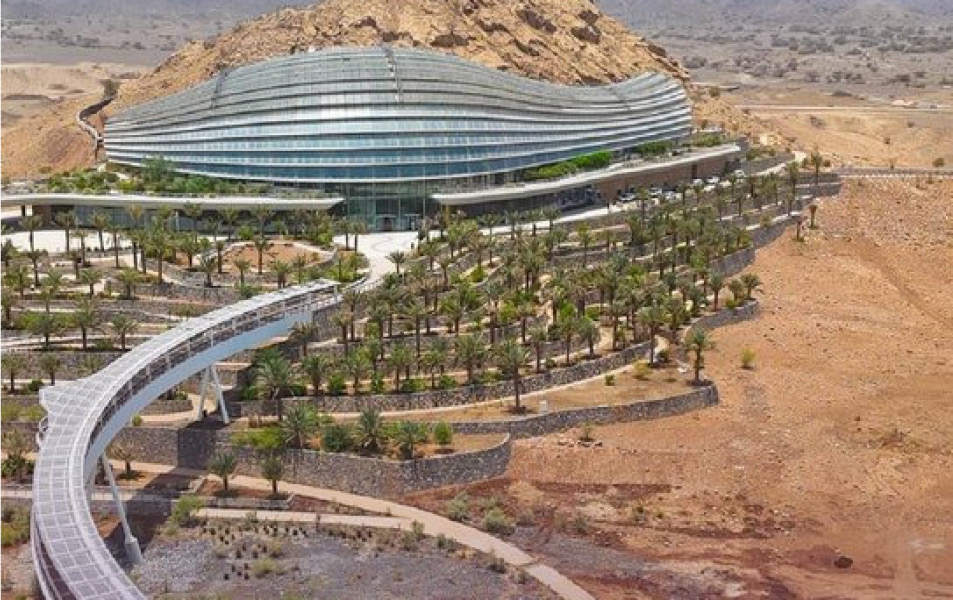
The Sultanate of Oman has taken a significant leap in its environmental and tourism initiatives with the handover of the Oman Botanic Garden to Muscat Municipality. This iconic project represents a unique fusion of scientific research, heritage preservation, and recreational opportunities, establishing Oman as a regional leader in eco-tourism and biodiversity conservation. The Ministry of Heritage and Tourism (MHT) successfully completed this monumental project, setting the stage for Muscat Municipality to bring it fully to life for residents and visitors alike.
Salim Al Mahruqi, the Minister of Tourism and Heritage, expressed his pride in the achievement, highlighting the importance of this garden as a strategic enabler for the tourism sector. The project reflects Oman’s commitment to sustainable development while promoting the nation’s rich botanical heritage to the world.
Showcasing Oman’s Natural Diversity
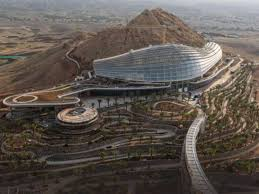
The Oman Botanic Garden is more than just a public park; it is a living repository of the country’s plant biodiversity. The garden showcases an extensive variety of native plants and trees, capturing the ecological richness of Oman’s diverse landscapes. It stands as a testament to the country’s unique natural heritage, offering visitors an immersive experience that reflects Oman’s mountains, deserts, and coastal regions within a unified botanical space.
The garden’s strategic design supports multiple objectives: conservation, education, research, and tourism. By featuring native and endemic species, including 20 plants found only in Oman, the garden ensures the protection of the nation’s unique flora while fostering public awareness about environmental stewardship.
Scientific and Research Importance
Oman Botanic Garden is not just a visual masterpiece; it is a hub for scientific discovery. Acting as a living archive, the garden enables researchers to study plant species in their natural habitats. Survey activities conducted during the development phase have documented hundreds of native species, contributing to a growing database crucial for scientific studies and conservation programs.
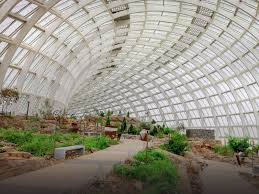
The garden’s nursery, spanning 20,000 square meters, supports the cultivation and propagation of plants, ensuring long-term sustainability. Equipped with glasshouses, greenhouses, shaded areas, and open spaces, the nursery forms the backbone of ongoing maintenance and development, underpinning Oman’s commitment to preserving its natural heritage.
A Gateway to Education and Eco-Tourism
Education and public engagement are at the heart of the Oman Botanic Garden. The garden provides a platform for schools, universities, and environmental organizations to connect with nature through guided tours, workshops, and interactive experiences. Students and visitors can explore Oman’s flora, learning about the ecological significance of each species and the importance of conservation efforts.
Eco-tourism is poised to flourish with the addition of Oman’s first cable car ride, offering panoramic views of the garden and its surrounding landscapes. Combined with open playgrounds, event spaces, and interactive zones, the garden promises an unforgettable experience for families, tourists, and nature enthusiasts. This focus on eco-friendly recreation aligns with Oman’s broader sustainability vision, making the garden a model for environmentally conscious tourism.
Infrastructure and Accessibility
Accessibility was a core consideration in the development of the Oman Botanic Garden. Muscat Municipality opened a 1.4-kilometer dual carriageway on Al Khoud Village Road, featuring two lanes in each direction, pedestrian sidewalks, and enhanced facilities to ensure smooth traffic flow. Located approximately 35 kilometers from Muscat International Airport, the garden is easily reachable for both local residents and international travelers.
The infrastructure development reflects Oman’s commitment to integrating sustainable tourism with convenient accessibility. Visitors can enjoy a seamless journey to the garden, combining modern transport solutions with the tranquility of natural landscapes.
Sustainability at the Core
Sustainability was embedded into every stage of the garden’s design and construction. From energy-efficient systems to water conservation practices, the Oman Botanic Garden sets a benchmark for environmentally responsible development. The project balances ecological preservation with public enjoyment, ensuring that future generations can continue to experience Oman’s natural heritage.
The garden’s green initiatives include solar-powered facilities, efficient irrigation systems, and careful planning to minimize environmental impact. These measures ensure that the garden not only serves as a destination for enjoyment but also as a symbol of Oman’s commitment to sustainable growth.
Cultural and Recreational Significance
Beyond its environmental and educational roles, the Oman Botanic Garden serves as a cultural and recreational landmark. By integrating spaces for social gatherings, events, and cultural programs, the garden strengthens community engagement and promotes a deeper appreciation of Omani heritage. Visitors can experience traditional landscapes, engage in interactive exhibits, and enjoy serene environments that foster relaxation and reflection.
The inclusion of innovative features like interactive zones and playgrounds ensures that the garden appeals to all age groups, making it a vibrant hub for families and tourists alike. This multifaceted approach highlights Oman’s vision of creating spaces that combine recreation, learning, and cultural immersion.
A Model for the Future
The Oman Botanic Garden represents a forward-thinking approach to national development. By merging conservation, education, and tourism, the garden sets a precedent for similar projects in Oman and the wider region. It demonstrates how natural heritage can be leveraged to create economic, cultural, and educational value, benefiting both current and future generations.
Muscat Municipality now has the responsibility to implement and manage the garden, building on the foundation laid by the Ministry of Heritage and Tourism. Their role will be crucial in transforming this ambitious vision into a dynamic reality, ensuring that the garden continues to grow, evolve, and inspire.
Conclusion
The handover of the Oman Botanic Garden marks a historic milestone for Oman. It reflects years of dedication, planning, and collaboration, culminating in a project that embodies the nation’s commitment to environmental preservation, educational enrichment, and sustainable tourism.
As the garden opens its doors to the public, it promises to offer an unparalleled experience that combines natural beauty, scientific knowledge, and recreational delight. Oman Botanic Garden is more than a park; it is a symbol of pride, innovation, and hope for a greener, more sustainable future. Visitors will not only witness the splendor of Oman’s botanical heritage but also become part of a journey that celebrates life, nature, and the enduring spirit of this remarkable nation.
Do follow Gulf Magazine on Instagram.
Also Read – Qatar Signs Landmark MoUs to Strengthen Trade and Investment with Oman

