

High-power pumping systems play a pivotal role in overcoming these challenges. They enable large-scale movement of water through desalination plants, treatment facilities, and distribution networks. Without these technologies, delivering water reliably and efficiently across the country would be a far more complex and costly endeavor.
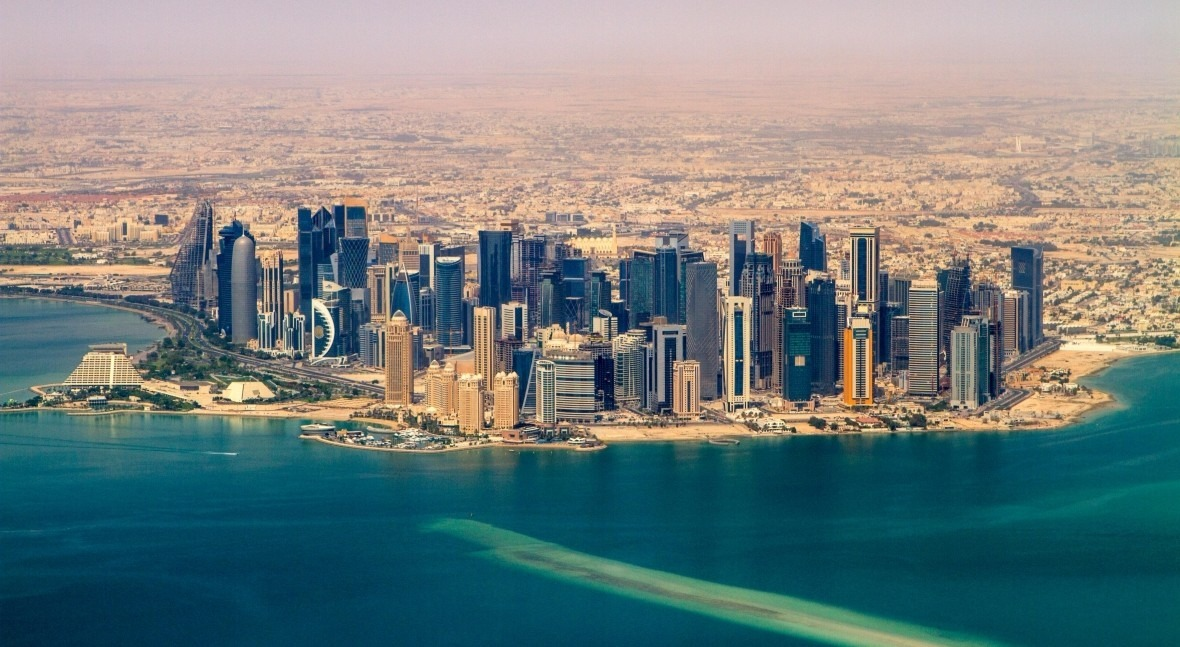
Qatar faces a unique set of challenges when it comes to water management. With limited natural freshwater resources and an arid climate, the country relies heavily on desalination and advanced water treatment to meet the needs of its growing population and industries. As urban areas expand and industrial demand rises, efficient and sustainable water solutions are no longer optional they are critical.
The Role of High-Power Pumps in Sustainability
High-power pumps are more than just machines they are the backbone of sustainable water management. By efficiently transporting massive volumes of water, these pumps minimize energy wastage and reduce the carbon footprint associated with traditional water transport systems.
Modern pumps are designed with advanced materials and smart technology to withstand harsh conditions, including high salinity levels and extreme temperatures typical of the Qatari environment. Their reliability ensures that communities and industries have continuous access to water while optimizing energy usage, a critical component of Qatar’s sustainability goals.
Innovative Pump Technologies Transforming Water Systems
Energy-Efficient Designs
Today’s high-power pumps incorporate cutting-edge energy-efficient designs that significantly reduce operational costs. Variable frequency drives (VFDs) allow pumps to adjust their speed according to demand, ensuring that energy is used only when needed. This not only conserves electricity but also extends the lifespan of the equipment.
Smart Monitoring and Control
Integration of IoT sensors and automated control systems allows operators to monitor pump performance in real-time. These technologies detect potential issues before they become major problems, preventing downtime and costly repairs. Predictive maintenance ensures that pumps operate at peak efficiency, supporting the country’s vision for sustainable water management.
Corrosion-Resistant Materials
Given the saline environment of desalinated water and coastal facilities, pumps are built using corrosion-resistant materials such as stainless steel and high-performance composites. These materials ensure long-lasting performance, reducing the frequency of replacements and conserving resources.
High-Power Pumps in Desalination
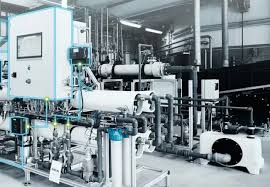
Desalination is a cornerstone of Qatar’s water strategy, providing a reliable source of freshwater in an otherwise water-scarce region. High-power pumps are essential in moving seawater through reverse osmosis membranes and returning brine safely to the environment.
The efficiency of these pumps directly affects the energy consumption of desalination plants. Advanced high-power pumps enable plants to operate continuously with minimal energy loss, supporting both economic and environmental sustainability.
Supporting Urban and Industrial Growth
Rapid urbanization in cities like Doha requires a robust water distribution network capable of meeting residential and commercial needs. High-power pumps ensure that water can travel long distances and reach high-rise buildings without compromising pressure or quality.
Industrial sectors, including petrochemicals and construction, rely heavily on steady water supply. High-power pumping solutions provide the reliability required for large-scale industrial operations, supporting Qatar’s economic growth while maintaining sustainability standards.
Environmental Benefits of Advanced Pumping Systems
Modern high-power pumps are designed with environmental impact in mind. Energy-efficient operation reduces greenhouse gas emissions, while precise flow control minimizes water wastage. These pumps also support water recycling initiatives by facilitating the movement of treated wastewater back into industrial and agricultural applications.
By integrating high-power pumps into Qatar’s water infrastructure, the country reduces reliance on fossil fuels and supports its climate action goals, positioning itself as a leader in sustainable water management in the region.

Collaboration and Innovation in Qatar’s Water Sector
Achieving a sustainable water future requires collaboration between government agencies, private companies, and technology providers. Qatar has invested heavily in research and development of high-performance pumps, encouraging innovation and local expertise.
Public-private partnerships have resulted in the deployment of state-of-the-art pumping facilities that not only meet immediate water needs but also anticipate future demand. Continuous innovation ensures that Qatar stays ahead in both efficiency and sustainability.
The Future of Water Sustainability in Qatar
As Qatar moves toward its long-term sustainability goals, high-power pumping solutions will continue to play a central role. Future innovations are expected to include AI-driven predictive maintenance, renewable energy integration, and more durable pump materials capable of handling extreme conditions with minimal energy consumption.
Investing in these technologies ensures that Qatar’s water infrastructure remains resilient, reliable, and environmentally responsible. High-power pumps are not just tools—they are enablers of a sustainable water future, securing clean and accessible water for generations to come.
Conclusion
Qatar’s water challenges are unique, but high-power pumping solutions offer a pathway to a sustainable and reliable water future. By combining advanced technology, energy efficiency, and robust design, these pumps support urban growth, industrial demand, and environmental stewardship.
With ongoing innovation and strategic investment, high-power pumps will continue to be at the heart of Qatar’s water management strategy, ensuring that the nation meets the needs of its people while safeguarding the environment for the future.
Do follow Gulf Magazine on Instagram.
Also Read –Sila Sveta’s Visionary Stage Design for the FIFA Arab Cup 2025

