

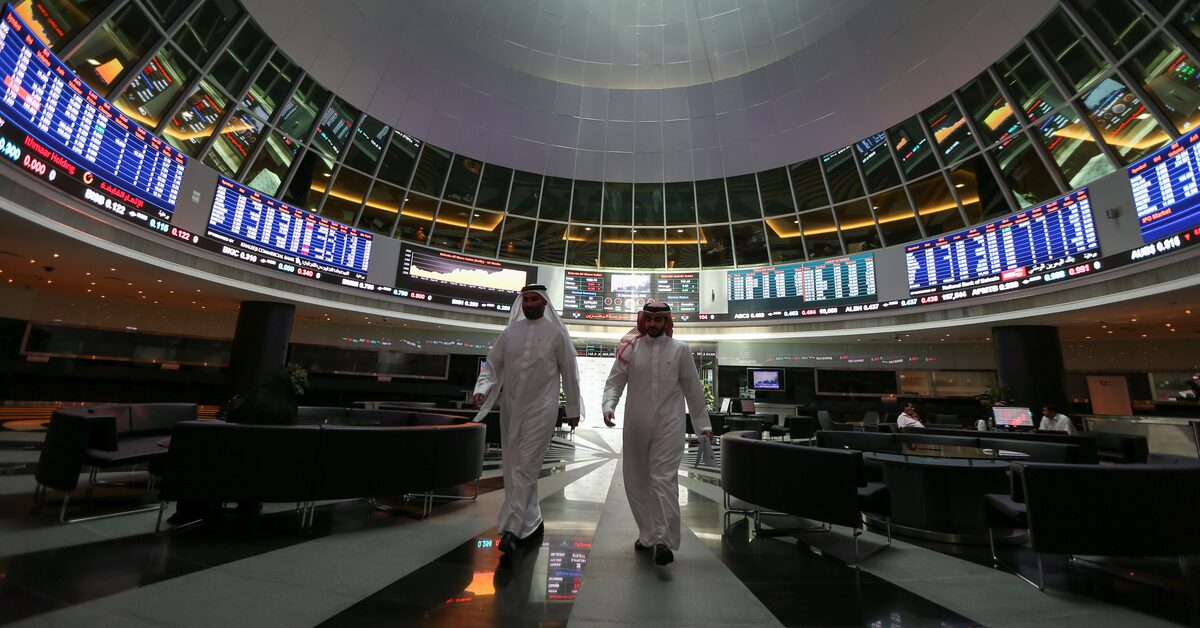
Economic experts suggest that the anticipation of US inflation data often triggers defensive strategies in Gulf markets. Many investors are adjusting their portfolios to hedge against potential shifts in global monetary policy, particularly as interest rate decisions remain closely tied to inflation trends. This defensive approach has contributed to early sell-offs in key sectors, including energy, banking, and industrial stocks.
Gulf bourses opened lower this week as investors took a cautious stance ahead of the release of critical US inflation figures. Regional markets, which have shown resilience over the past months, are now reacting to global economic signals, with Saudi Arabia experiencing its lowest levels in two years. The upcoming data is expected to set the tone for investor sentiment across the region, making traders wary of potential volatility.
Saudi Stocks Record 2-Year Low
The Saudi market has been one of the hardest hit, with major indices dropping to their lowest points since 2023. Shares of leading companies in sectors such as petrochemicals and banking have experienced noticeable declines, reflecting growing investor caution. Analysts note that while the Saudi market has strong fundamentals, it remains sensitive to both regional geopolitical developments and global economic pressures.
Investors have pointed out that recent fluctuations in oil prices, coupled with the anticipation of inflation data from the US, have created uncertainty in Saudi Arabia’s financial markets. While long-term growth remains promising, the short-term outlook appears volatile, prompting both institutional and retail investors to adopt more conservative trading strategies.
Regional Markets Follow Global Cues
Other Gulf Cooperation Council (GCC) markets, including the UAE, Qatar, and Kuwait, also witnessed declines, though they remained slightly more stable compared to Saudi Arabia. The Dubai Financial Market and Abu Dhabi Securities Exchange showed modest dips, reflecting cautious sentiment in the run-up to global economic announcements. Meanwhile, the Qatar Exchange experienced limited volatility, with investors closely monitoring the impact of US inflation on regional currencies and investment flows.
Market analysts emphasize that Gulf markets are increasingly interconnected with global financial trends. Decisions in major economies, especially the US, have a direct influence on capital inflows and outflows across the Middle East. As such, the current pullback can be viewed as part of a broader trend of risk management by investors rather than an isolated regional downturn.
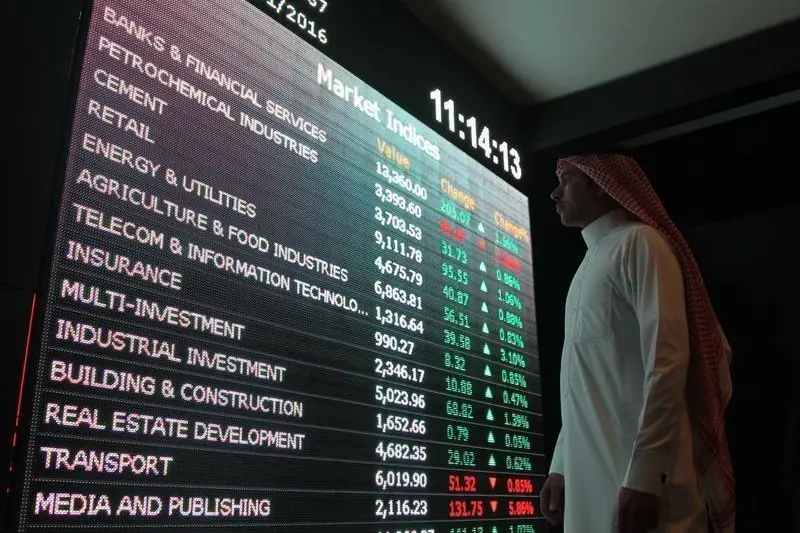
Energy Sector Faces Headwinds
The energy sector, a significant component of the Gulf economies, also felt the impact of investor caution. Oil prices have experienced fluctuations amid mixed signals from global demand projections and US economic indicators. Companies involved in production, refining, and petrochemicals are witnessing increased volatility, reflecting broader uncertainty in commodity markets.
Despite these short-term pressures, energy experts remain optimistic about long-term demand growth in the region. Renewable energy initiatives and diversification strategies are expected to stabilize markets over time, even if current performance is affected by global economic concerns. Investors are encouraged to consider these long-term factors when navigating the current market turbulence.
Banking and Financial Stocks Under Pressure
Banking and financial stocks have not been spared from the downturn. Saudi banks, in particular, experienced declines as investors re-evaluated credit exposure and potential risks in light of changing global economic conditions. Similar trends were observed across UAE and Kuwaiti banking sectors, with a cautious approach dominating market activity.
Financial analysts highlight that banks with strong balance sheets and diversified portfolios are likely to weather the storm better than smaller institutions. Investors are advised to monitor lending trends, interest rate expectations, and regional economic indicators closely to make informed decisions.
Investor Sentiment and Global Market Influence
Investor sentiment in the Gulf continues to be shaped by external economic data, geopolitical developments, and oil market dynamics. The looming US inflation report is seen as a critical catalyst that could either trigger further sell-offs or reassure markets. Past experiences show that Gulf markets tend to react swiftly to US economic signals, reflecting their integration into global investment flows.
Sentiment surveys indicate that investors are cautious but not overly pessimistic. Many are seeking opportunities to buy undervalued stocks while maintaining liquidity to respond quickly to market changes. This balancing act highlights the nuanced approach investors are taking amid uncertainty.
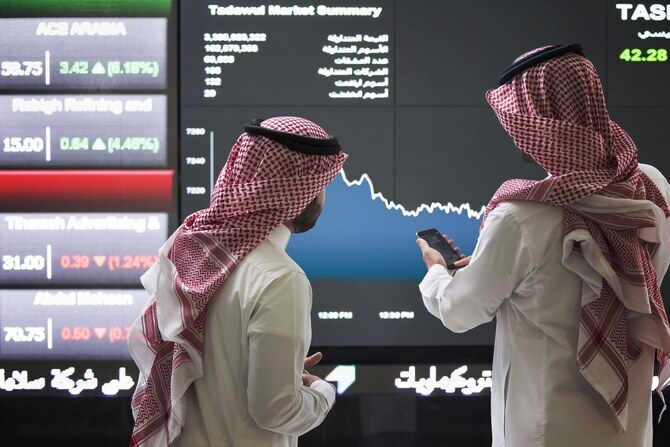
Strategies for Navigating Market Volatility
Market experts recommend several strategies for navigating current volatility. Diversification across sectors, careful monitoring of global economic indicators, and a focus on long-term fundamentals can help investors manage risk. For example, while energy and banking sectors may experience short-term dips, sectors such as technology, logistics, and healthcare offer alternative growth opportunities in the Gulf.
Additionally, investors are encouraged to consider defensive investment instruments and hedging strategies to mitigate potential losses. Maintaining a clear perspective on market fundamentals while remaining aware of global economic developments is crucial during periods of uncertainty.
Outlook for Gulf Markets
Looking ahead, Gulf markets are expected to remain sensitive to global economic cues, especially US inflation data and central bank policy decisions. While short-term volatility may persist, analysts emphasize the resilience of regional economies and the strength of long-term growth prospects. Saudi Arabia, in particular, continues to benefit from structural reforms and investment in key sectors, which may provide support as markets stabilize.
Investors who approach the market with a long-term view, combined with a careful assessment of global trends, are likely to navigate this period successfully. Patience, strategic allocation, and informed decision-making will be essential in taking advantage of potential opportunities arising from current market conditions.
Conclusion: Navigating Uncertainty with Caution
The recent downturn in Gulf markets, highlighted by Saudi Arabia’s two-year low, reflects broader global economic uncertainty. With US inflation data looming, investors are understandably cautious, adjusting strategies to manage risk while seeking opportunities. While short-term volatility may continue, the long-term outlook for the Gulf remains positive, underpinned by structural economic reforms, energy diversification, and regional investment initiatives.
Maintaining a balanced approach that combines risk management with strategic growth-oriented investments is key. By staying informed and adapting to evolving market conditions, investors in the Gulf can position themselves to benefit from recovery and future growth, even in challenging times.
Do follow Gulf Magazine on Instagram.
Also Read – Action Energy Company Marks Milestone with Successful Boursa Kuwait Listing

