

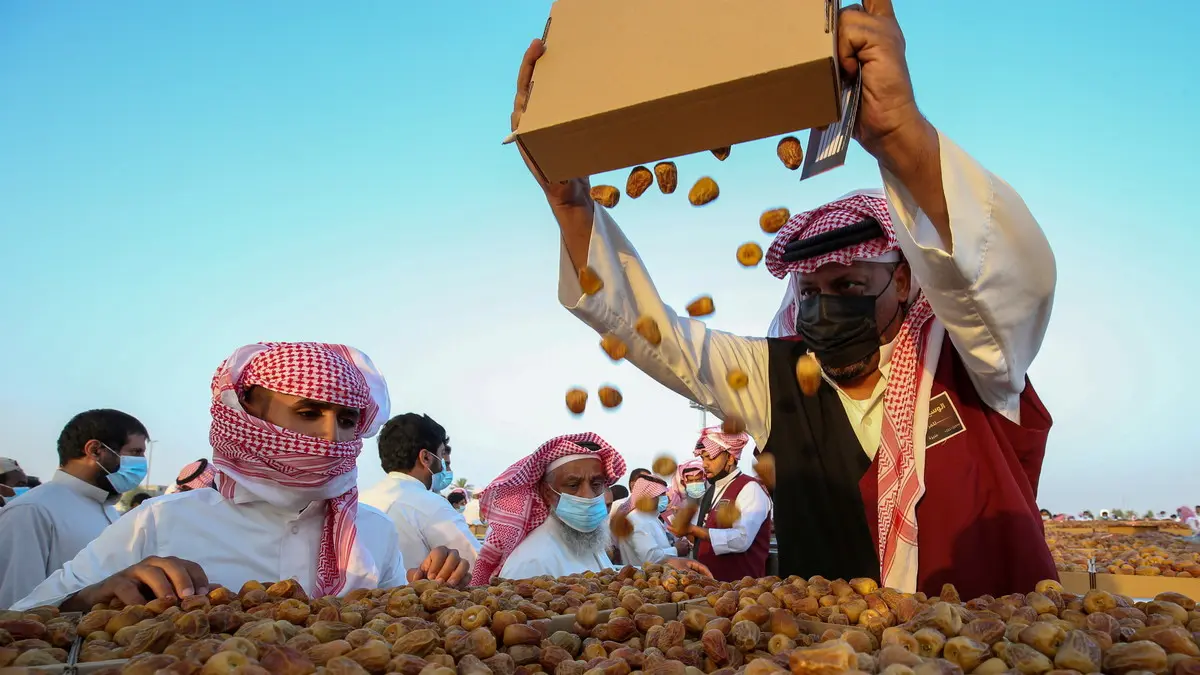
Saudi Arabia has made remarkable progress in improving its self-sufficiency for essential food products in 2024. The Kingdom, traditionally dependent on food imports due to its arid climate and limited arable land, is witnessing a transformative shift in its agricultural and food production landscape. This change reflects the government’s persistent efforts to boost domestic production, reduce reliance on imports, and secure a stable food supply for its population.
Over the past few years, Saudi authorities have focused on modernizing agriculture, investing in innovative technologies, and supporting local farmers. These initiatives are now bearing fruit, enabling the Kingdom to cover a larger share of its domestic food needs and ensure greater resilience against global market fluctuations.
Key Drivers of Self-Sufficiency Growth
Several key factors have contributed to Saudi Arabia’s improved self-sufficiency in 2024. One of the most significant drivers is the adoption of advanced agricultural technologies. From hydroponics and vertical farming to precision irrigation systems, these technologies allow farmers to maximize crop yields even in arid regions. By reducing water consumption and increasing productivity, Saudi Arabia can cultivate a wider variety of crops that were previously difficult to grow domestically.
Another important factor is the government’s commitment to supporting local farmers through financial incentives, training programs, and infrastructure development. Policies encouraging domestic production have provided farmers with the resources and confidence needed to expand their operations. This includes access to modern farming equipment, subsidized seeds, and advanced storage facilities to reduce post-harvest losses.
Moreover, research and development in agriculture has played a pivotal role. Collaborations between universities, research centers, and private companies have led to innovations that improve crop resilience, quality, and yield. The development of drought-resistant crops and high-efficiency irrigation techniques has been particularly impactful in transforming the Kingdom’s agricultural potential.
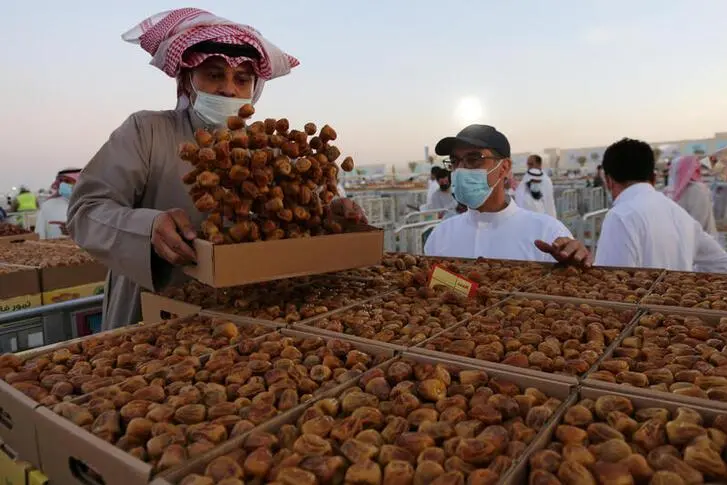
Progress Across Key Food Products
Saudi Arabia’s self-sufficiency gains are most notable in essential food products such as grains, dairy, poultry, fruits, and vegetables.
Grains and Cereals
While Saudi Arabia still imports some wheat and other cereals, domestic production has steadily increased due to improved irrigation and modern farming practices. By adopting high-yield wheat varieties and advanced cultivation methods, the Kingdom has reduced its dependence on foreign imports while maintaining food security for its growing population.
Dairy and Livestock
The dairy sector has witnessed remarkable growth, with local production now meeting a substantial portion of domestic demand. Investments in modern dairy farms, improved feed quality, and breeding programs for high-yield livestock have strengthened the Kingdom’s capacity to produce milk, cheese, and other dairy products. Poultry and meat production have also seen significant gains, with local farms expanding their output to reduce reliance on imported meat products.
Fruits and Vegetables
Fruits and vegetables are another area where Saudi Arabia has achieved notable progress. The introduction of greenhouse farming and hydroponic systems has enabled the year-round cultivation of fresh produce, even in harsh climatic conditions. This has improved both the availability and affordability of fruits and vegetables for local consumers.
Economic and Social Benefits
The improvement in food self-sufficiency brings not only security but also significant economic and social benefits. By producing more food locally, Saudi Arabia reduces its vulnerability to global supply disruptions and price fluctuations. This ensures that citizens have consistent access to affordable, high-quality food products.
Additionally, the growth of domestic agriculture creates employment opportunities, stimulates rural economies, and encourages the development of related industries, such as food processing and logistics. Supporting local farmers and businesses strengthens the overall economy while fostering a sense of national pride and self-reliance.
Challenges and Future Prospects
Despite the impressive progress, Saudi Arabia’s journey toward full self-sufficiency faces several challenges. Water scarcity remains a critical constraint, requiring continuous innovation in irrigation and water management. Climate change also poses risks, as rising temperatures and changing rainfall patterns can impact crop yields.
However, the Kingdom’s proactive approach, including investment in sustainable agriculture, research, and technology, positions it well to overcome these challenges. By focusing on efficiency, sustainability, and innovation, Saudi Arabia aims to further enhance its food security and achieve higher levels of self-sufficiency in the coming years.
Vision 2030 and Agricultural Transformation
Saudi Arabia’s Vision 2030 plays a central role in this transformation. The strategic plan emphasizes economic diversification, food security, and sustainable development, all of which support the Kingdom’s agricultural ambitions. Initiatives under Vision 2030 encourage investment in smart agriculture, renewable energy for farms, and advanced food production technologies.
These efforts align with broader global trends, positioning Saudi Arabia as a regional leader in sustainable agriculture. The Kingdom’s experience demonstrates that even regions with challenging climates can achieve food self-sufficiency with determination, innovation, and strategic planning.
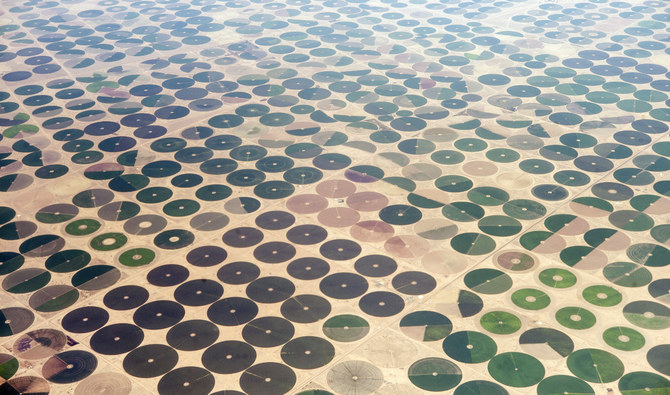
Empowering Farmers and Rural Communities
An essential part of this transformation is empowering farmers and rural communities. Training programs, access to modern tools, and financial support have enabled farmers to adopt advanced agricultural techniques and expand production. By creating a supportive ecosystem, Saudi Arabia ensures that the benefits of agricultural growth reach all segments of society, promoting social equity and economic stability.
Strengthening Food Security and Resilience
The improvements in self-sufficiency also enhance Saudi Arabia’s resilience to external shocks, such as global market disruptions or geopolitical tensions that could affect food imports. By producing a larger share of essential food products domestically, the Kingdom reduces its exposure to international price volatility and supply chain risks.
This resilience is not only vital for the economy but also for the well-being of citizens. Access to sufficient, safe, and nutritious food contributes to public health, social stability, and overall quality of life.
Conclusion: A Promising Future
Saudi Arabia’s achievements in improving self-sufficiency for key food products in 2024 reflect a broader vision of sustainable development and national resilience. Through innovation, strategic investments, and support for local farmers, the Kingdom has strengthened its food production capabilities, reduced dependence on imports, and created new economic opportunities.
While challenges remain, the trajectory is positive. Continued focus on technology, sustainability, and farmer empowerment will enable Saudi Arabia to further enhance food security and become a model for other nations striving for self-sufficiency in challenging environments. The story of Saudi Arabia’s agricultural transformation is a testament to the power of vision, determination, and innovation in shaping a secure and prosperous future.
Do follow Gulf Magazine on Instagram.
Also Read – Qatar Airways Cabin Crew Becomes A320 Pilot: An Inspiring Journey

