

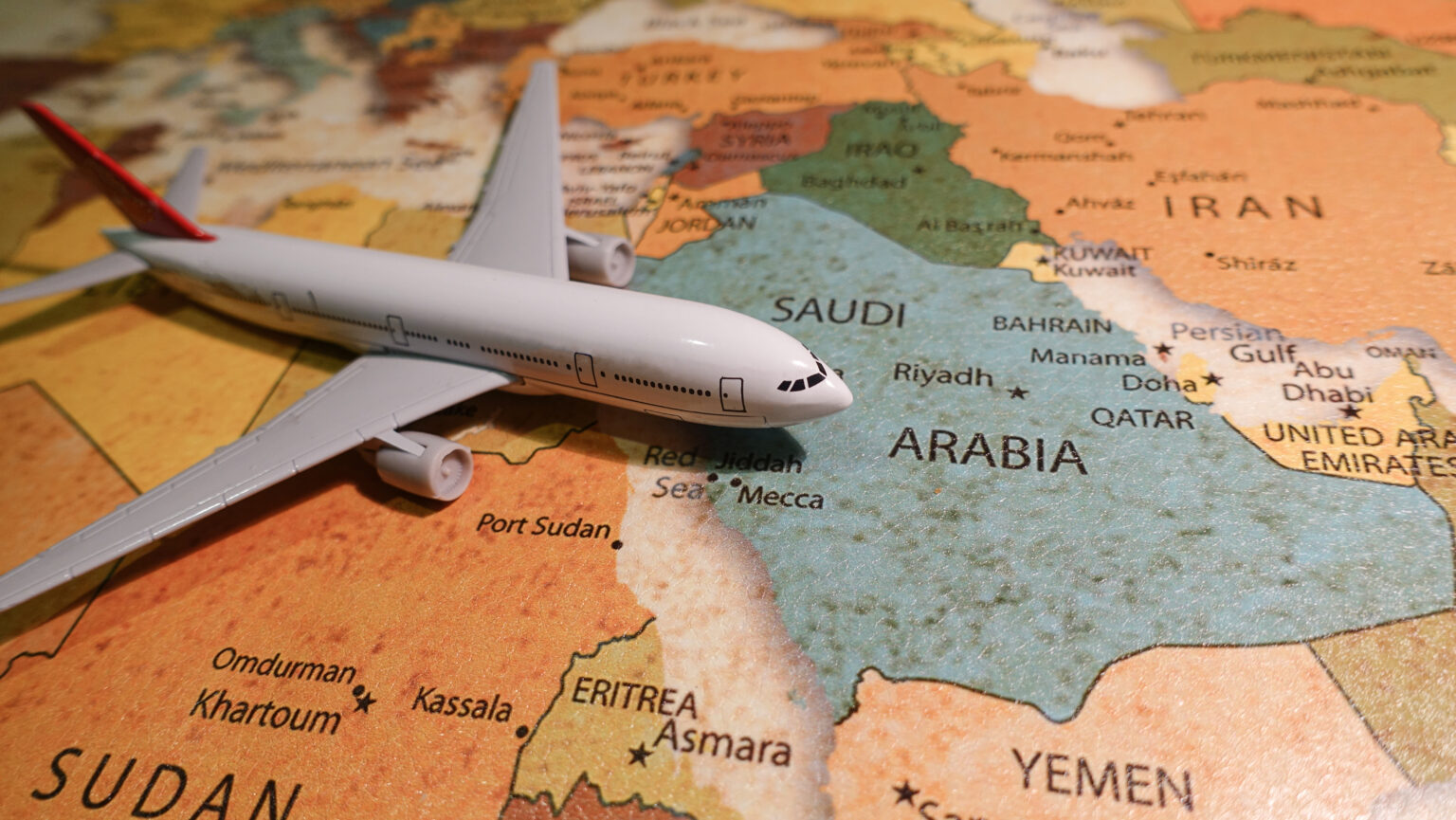
The aviation market in Saudi Arabia is undergoing one of the most ambitious transformations in its history. Once primarily focused on religious tourism and domestic connectivity, the Kingdom’s aviation sector is now evolving into a global powerhouse driven by long-term vision, strategic investments, and an unmistakably human ambition to connect people, cultures, and economies. From mega-airports and new national carriers to advanced cargo hubs and digital aviation services, Saudi Arabia is redefining what aviation means for the region and the world.
This article explores the size, structure, opportunities, competitive dynamics, and growth strategies shaping the Saudi aviation market between 2026 and 2032, while keeping the human story of progress, opportunity, and aspiration at its core.
Overview of the Saudi Arabia Aviation Market
Saudi Arabia’s aviation market stands at the intersection of geography, vision, and necessity. Positioned between Asia, Europe, and Africa, the Kingdom naturally serves as a bridge for global air travel. What sets the current era apart is the deliberate effort to convert this geographic advantage into a fully integrated aviation ecosystem that supports tourism, trade, logistics, and economic diversification.
The market includes passenger airlines, cargo operators, airport infrastructure, aviation services, maintenance and repair operations, air navigation services, and emerging segments such as urban air mobility and sustainable aviation solutions. Together, these components form a complex but rapidly maturing ecosystem.
Human capital development, customer experience, and global competitiveness have become just as important as aircraft fleets and runways, reflecting a more people-centered approach to growth.
Market Size and Structural Evolution
Passenger Aviation Growth
Passenger aviation remains the backbone of the Saudi aviation market. Domestic travel continues to expand as population mobility increases and regional connectivity improves. International travel, once heavily seasonal, is becoming more diversified as leisure tourism, business travel, and global events drive year-round demand.
New airlines, expanded fleets, and increased route density are reshaping the passenger market. Rather than simply adding capacity, the focus is on enhancing traveler experience, reliability, and service quality, making air travel more accessible and enjoyable for millions of passengers.
Cargo and Logistics Expansion
Air cargo is emerging as a powerful growth engine within the aviation market. Saudi Arabia’s ambition to become a global logistics hub has placed cargo aviation at the center of national development strategies. Increased e-commerce activity, pharmaceutical transport, perishables, and high-value goods are fueling demand for dedicated cargo aircraft and specialized airport facilities.
The cargo segment is no longer seen as secondary to passenger travel. Instead, it is treated as a strategic pillar supporting global trade, supply chain resilience, and economic diversification.
Airport Infrastructure Development
Airport development is one of the most visible indicators of market size expansion. Major international airports are being transformed into integrated aerotropolises that combine aviation, retail, hospitality, logistics, and business services. Regional airports are also being upgraded to support domestic tourism and economic inclusion.
These investments are not only about handling more passengers but also about creating welcoming, efficient, and culturally rich environments that reflect Saudi hospitality.
Key Growth Drivers Shaping the Market
Vision-Led Policy Framework
The aviation market’s momentum is strongly supported by national development strategies that prioritize connectivity, tourism, and global integration. Clear regulatory reforms, long-term planning, and public-private collaboration have created a stable environment for investment and innovation.
This policy clarity provides confidence to airlines, investors, and service providers, encouraging long-term commitments rather than short-term gains.
Tourism and Cultural Exchange
Tourism has become a deeply human driver of aviation growth. As Saudi Arabia opens its doors to the world, aviation serves as the first and last touchpoint for visitors. Religious tourism remains vital, but it is now complemented by leisure tourism, entertainment, heritage exploration, and international events.
Each new route represents not just economic value, but also an invitation for cultural exchange and shared experiences.
Technological Modernization
Digital transformation is reshaping operations across the aviation value chain. From smart airports and biometric passenger processing to predictive maintenance and data-driven flight operations, technology is improving efficiency while enhancing passenger comfort.
This modernization also reduces operational stress on workers, enabling aviation professionals to focus more on safety, service, and innovation.
Opportunities Across the Aviation Value Chain
Airline Fleet Expansion and Leasing
Fleet modernization presents a significant opportunity. Airlines are investing in fuel-efficient aircraft that reduce environmental impact while improving operational economics. Aircraft leasing, financing, and fleet management services are expanding in parallel, opening doors for global and regional players.
These developments support job creation and skills transfer, strengthening the aviation workforce.
Maintenance, Repair, and Overhaul Services
The growing fleet size naturally increases demand for maintenance, repair, and overhaul services. Saudi Arabia is positioning itself as a regional MRO hub, reducing dependence on overseas facilities and keeping value within the local economy.
This segment offers high-skilled employment opportunities and encourages the development of specialized technical expertise.
Aviation Training and Human Capital Development
As the sector expands, so does the need for pilots, engineers, air traffic controllers, cabin crew, and aviation managers. Training academies, partnerships with global institutions, and localized education programs are becoming critical growth enablers.
Investing in people ensures that growth is sustainable and that the aviation industry reflects national talent and aspirations.
Sustainable Aviation Solutions
Sustainability is no longer optional. Opportunities are emerging in sustainable aviation fuels, carbon management, green airport design, and efficient air traffic systems. These initiatives align economic growth with environmental responsibility, resonating with a global audience increasingly concerned about climate impact.
Competitive Landscape and Market Dynamics
Intensifying Airline Competition
Competition within the Saudi aviation market is becoming more dynamic. Established carriers are refining their service models, while new entrants bring fresh approaches to pricing, routes, and customer engagement. This competition benefits travelers through better choices, improved service quality, and greater affordability.
Rather than rivalry alone, collaboration through alliances and partnerships is also shaping market behavior.
Global Partnerships and Alliances
International partnerships play a crucial role in extending network reach and operational expertise. Code-sharing, joint ventures, and strategic alliances help Saudi carriers integrate into global aviation networks while maintaining national identity.
These partnerships also promote knowledge exchange and operational excellence.
Regulatory Balance and Market Stability
Regulators face the challenge of encouraging competition while ensuring safety, financial stability, and service quality. Transparent policies and consistent enforcement have helped maintain market confidence and long-term viability.
This balanced approach supports innovation without compromising trust.
Growth Strategies Driving Market Expansion
Hub-and-Spoke Network Development
Saudi Arabia’s central location supports the development of efficient hub-and-spoke networks connecting East and West. Strategic scheduling, seamless transfers, and passenger-centric airport design are key elements of this strategy.
These networks reduce travel times and create smoother journeys for passengers worldwide.
Integrated Tourism and Aviation Planning
Aviation growth is increasingly coordinated with tourism planning. Routes are aligned with emerging destinations, seasonal demand, and major events. This integration ensures that aviation capacity supports real human demand rather than abstract forecasts.
The result is a more responsive and resilient market.
Digital Customer Experience Enhancement
Airlines and airports are investing heavily in digital touchpoints that simplify booking, check-in, boarding, and post-travel engagement. These improvements reduce friction and make travel feel more personal and less stressful.
A positive experience builds loyalty and strengthens brand identity.
Market Forecast Outlook (2026–2032)
Between 2026 and 2032, the Saudi Arabia aviation market is expected to experience strong and sustained growth. Passenger volumes are projected to rise steadily as tourism matures and domestic travel increases. Cargo operations are likely to expand at an even faster pace, supported by logistics integration and trade growth.
Infrastructure investments will continue to come online, increasing capacity and efficiency. At the same time, workforce development and sustainability initiatives will shape the qualitative aspects of growth, ensuring that expansion is not just bigger, but better.
The market outlook reflects optimism grounded in strategic planning rather than speculation.
Challenges and Risk Considerations
Despite its positive trajectory, the aviation market faces challenges such as fuel price volatility, global economic uncertainty, and operational complexity. Talent retention and training remain ongoing priorities, as does the need to balance rapid growth with environmental responsibility.
Addressing these challenges requires adaptability, collaboration, and a long-term mindset that values people as much as performance.
Conclusion
The Saudi Arabia aviation market is more than an economic sector; it is a living system that connects dreams, opportunities, and destinations. From pilots and engineers to travelers and entrepreneurs, millions of human stories converge in the skies above the Kingdom.
As the market moves toward 2032, its success will be measured not only by passenger numbers or revenue figures, but by how effectively it connects people, supports livelihoods, and represents Saudi Arabia’s vision to the world. With clear strategies, strong competitiveness, and a deeply human focus, the future of Saudi aviation looks confident, inclusive, and ready to soar.
Do follow Gulf Magazine on Instagram.
Also Read – Saudi Arabia Launches Winter Wonderland In Jeddah With Thrills And Seasonal Magic

