

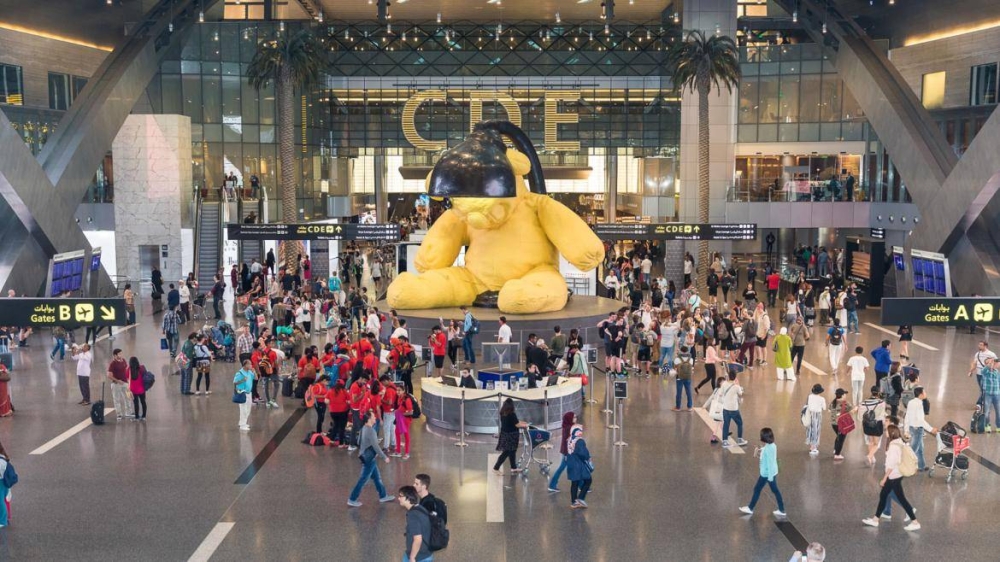
Qatar has steadily transformed itself into a global hub for tourism, attracting millions of visitors each year. The surge in international tourists is not only boosting the hospitality and leisure sectors but is also having a profound impact on the retail industry. The influx of visitors has sparked a notable demand for lifestyle and destination malls, which combine shopping with unique experiences and entertainment. This trend signals a new era for Qatar’s retail sector, moving beyond traditional shopping to offer immersive experiences that appeal to both residents and tourists.
Tourism serves as a catalyst for retail growth in multiple ways. First, it increases footfall in malls, creating opportunities for higher sales across diverse product categories. Second, tourists often seek premium brands and unique shopping experiences that may not be available in their home countries, encouraging retailers to expand their offerings. Finally, lifestyle and destination malls, which integrate dining, entertainment, and cultural experiences, are perfectly aligned with the expectations of international visitors looking for more than a simple shopping trip.
The Rise of Lifestyle and Destination Malls
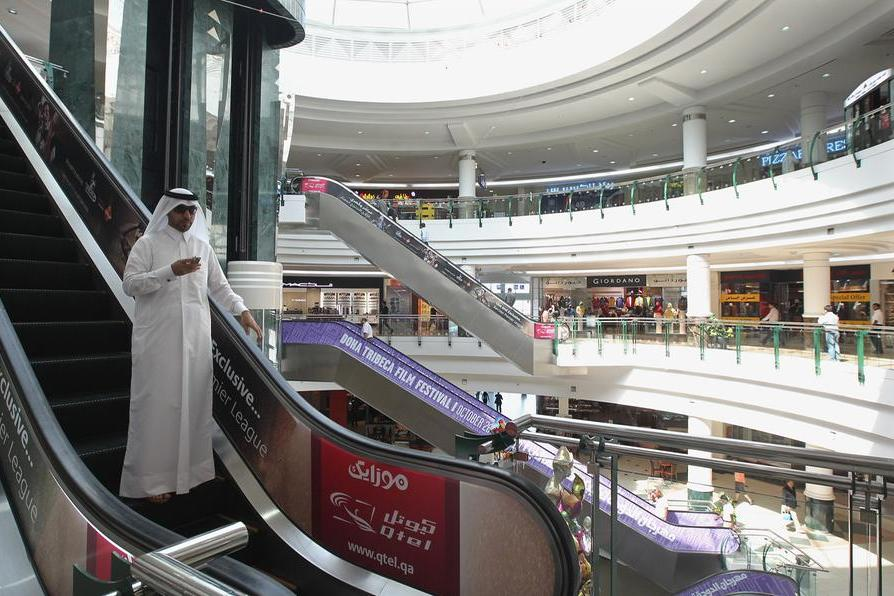
In recent years, Qatar has seen the rise of lifestyle and destination malls designed to attract not only shoppers but also tourists seeking immersive experiences. Unlike traditional malls, these retail hubs focus on offering a blend of entertainment, dining, and leisure alongside retail outlets. They provide a holistic environment that encourages visitors to spend extended periods of time, often making the mall itself a destination rather than merely a shopping venue.
Destination malls such as Doha Festival City and Mall of Qatar exemplify this trend, combining global retail brands with unique attractions like indoor theme parks, entertainment zones, and curated dining experiences. These developments are specifically designed to cater to a diverse audience, from families and young travelers to high-spending international visitors. The integration of leisure and retail experiences ensures that visitors not only shop but also engage in memorable experiences that enhance the overall appeal of Qatar as a tourist-friendly destination.
Tourism Driving Retail Innovation
The influx of tourists has encouraged retailers in Qatar to innovate and rethink traditional retail models. Stores are increasingly focusing on creating engaging environments and offering personalized experiences to attract and retain customers. Interactive installations, pop-up stores, and themed events have become common strategies to entice visitors.
Moreover, retailers are leveraging data analytics to better understand tourist preferences and shopping behaviors. By identifying trends in spending patterns and product demand, brands can optimize their inventory, introduce targeted promotions, and enhance customer engagement. Retailers that successfully adapt to the expectations of international tourists are experiencing increased sales and brand recognition, further fueling the growth of lifestyle and destination malls.
Cultural and Experiential Retail
Qatar’s retail landscape is embracing the concept of cultural and experiential retail, where shopping becomes an opportunity to explore local culture and traditions. Many malls now host cultural festivals, art exhibitions, and live performances, creating a vibrant environment that attracts both tourists and locals. This approach not only enriches the shopping experience but also strengthens Qatar’s positioning as a culturally diverse destination.
For tourists, these experiences provide a sense of connection to the country’s heritage, making visits more meaningful. Retailers benefit by offering products and services that resonate with cultural themes, from traditional Qatari handicrafts to bespoke dining experiences. The fusion of culture, entertainment, and retail encourages longer visits and repeat footfall, establishing destination malls as essential components of Qatar’s tourism infrastructure.
Impact on the Hospitality Sector
Retail growth driven by tourism also positively impacts the hospitality sector. Hotels, resorts, and serviced apartments often collaborate with malls to provide seamless experiences for visitors. Exclusive offers, shuttle services, and joint events create synergies that enhance guest satisfaction and encourage longer stays.
The interconnection between tourism, retail, and hospitality creates a robust ecosystem that benefits all stakeholders. Malls become attractions that complement hotel experiences, while hotels provide convenient access to shopping and entertainment, creating a mutually reinforcing cycle. This holistic approach is vital for sustaining growth, particularly as Qatar positions itself as a year-round tourist destination.
Attracting International Brands
As tourist numbers rise, Qatar is attracting more international retail brands seeking to tap into the lucrative market. Premium fashion labels, luxury watchmakers, and gourmet food brands are expanding their presence, particularly in lifestyle and destination malls. Tourists are often willing to invest in high-quality products and unique experiences, creating a fertile ground for luxury retail growth.
The introduction of international brands also encourages competition, driving innovation and elevating the overall retail experience. Shoppers benefit from access to global trends and exclusive products, while retailers gain exposure to a diverse and affluent customer base. This dynamic contributes to the ongoing transformation of Qatar’s retail sector into a world-class destination for shopping and leisure.
Seasonal Tourism and Retail Peaks
Retail activity in Qatar often aligns with seasonal tourism peaks, creating opportunities for strategic marketing and promotional campaigns. Major events, cultural festivals, and sporting tournaments attract international visitors in large numbers, resulting in heightened retail activity. Malls capitalize on these periods by hosting themed events, sales promotions, and interactive experiences that appeal to tourists and residents alike.
For instance, international sports events or cultural festivals can drive substantial footfall, encouraging retailers to launch exclusive collections or limited-time experiences. These seasonal surges provide a boost to sales and brand visibility, reinforcing the importance of aligning retail strategies with tourism patterns.
Role of Digital Integration
The modern retail landscape in Qatar increasingly relies on digital integration to enhance tourist experiences. Malls are leveraging technology such as mobile apps, digital directories, and interactive kiosks to guide visitors and offer personalized promotions. Online platforms also allow tourists to explore stores, check product availability, and plan their visits, making shopping more convenient and enjoyable.
Digital tools further enable malls to gather insights on visitor preferences, purchase behavior, and dwell time, which can inform strategic decisions for retailers. By combining physical retail with digital innovation, Qatar is creating a seamless, modern shopping experience that meets the expectations of today’s tech-savvy tourists.
Economic Benefits of Tourism-Driven Retail
The growth of lifestyle and destination malls fueled by tourism generates significant economic benefits. Increased retail activity creates employment opportunities in sales, management, hospitality, and entertainment sectors. Additionally, higher spending by tourists contributes to government revenue through taxes and service fees, supporting infrastructure development and public services.
Furthermore, the expansion of retail and leisure facilities stimulates investment in related industries such as transportation, logistics, and marketing. These economic benefits ripple across the broader economy, making tourism-driven retail a strategic driver of national growth. The success of destination malls demonstrates the potential of integrating tourism and retail as a key component of Qatar’s economic diversification strategy.
Future Prospects for Qatar’s Retail Landscape
Looking ahead, the future of retail in Qatar appears promising, driven by sustained growth in tourism. The government’s focus on infrastructure development, cultural promotion, and global events is likely to further enhance visitor numbers, creating opportunities for retail expansion.
Emerging trends such as sustainable retail, smart malls, and experiential shopping are expected to gain momentum. Malls are likely to incorporate eco-friendly designs, smart technologies, and immersive experiences that align with global expectations. As Qatar continues to attract international tourists, the demand for lifestyle and destination malls is expected to rise, cementing the country’s position as a premier retail and leisure destination in the region.
Conclusion
The symbiotic relationship between tourism and retail in Qatar is driving significant transformation in the country’s shopping landscape. Lifestyle and destination malls are emerging as key attractions, offering immersive experiences that go beyond traditional retail. The growth of these malls is fueled by rising tourist numbers, international brand presence, and innovative retail strategies that focus on cultural and experiential engagement.
As Qatar continues to invest in tourism infrastructure, promote cultural experiences, and host global events, the retail sector is poised to flourish. The integration of retail, leisure, and hospitality creates a holistic ecosystem that benefits both visitors and the local economy. With a strong focus on lifestyle, destination malls in Qatar are not just shopping centers they are experiences that define the country’s global appeal and future economic potential.
Do follow Gulf Magazine on Instagram.
Also Read – India and Oman Sign CEPA: A New Era in Bilateral Trade