

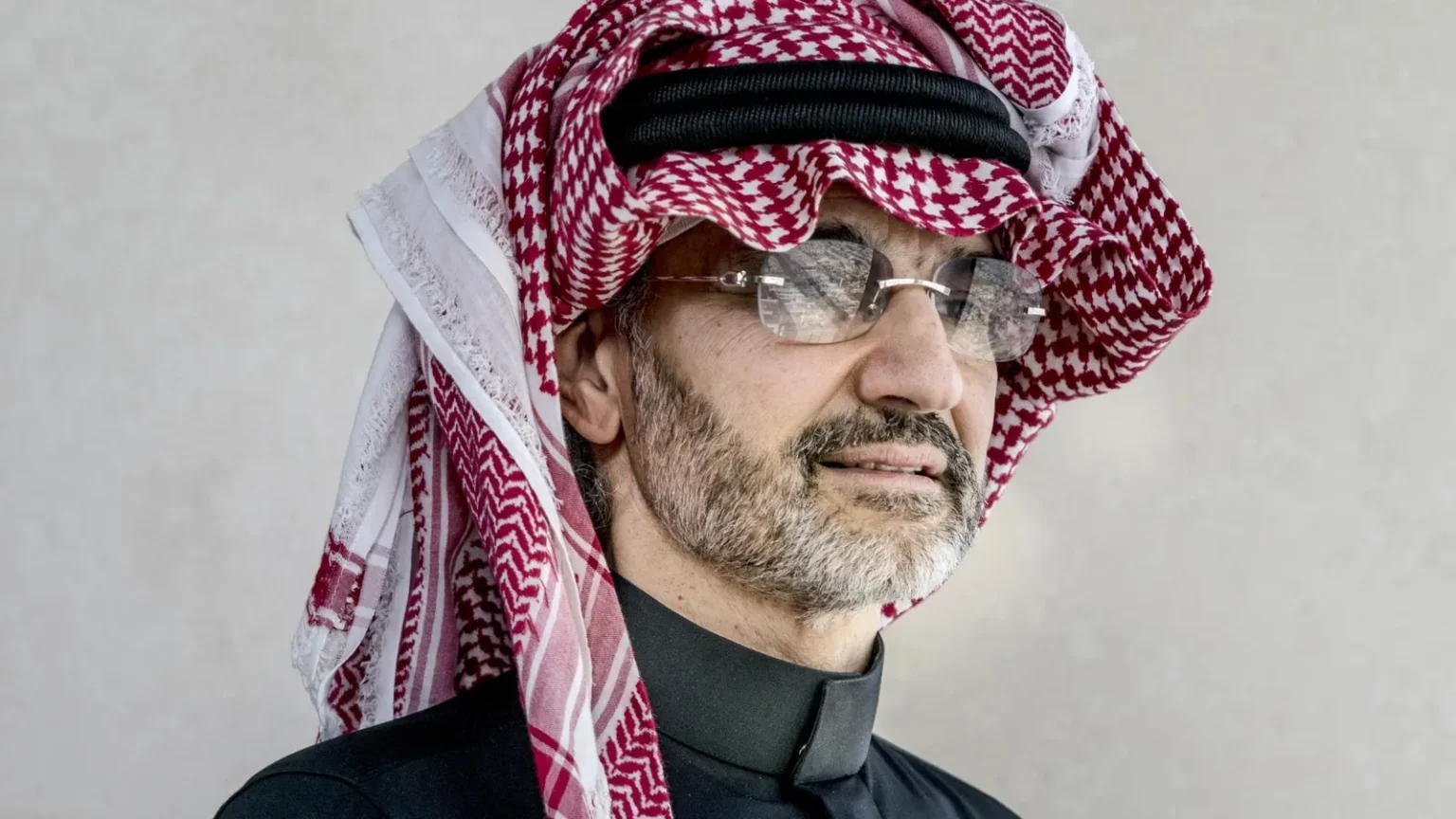
After an eight-year hiatus, Saudi Arabians are once again making headlines on Forbes’ prestigious billionaires list. This return signals not just a financial resurgence but a broader story of ambition, resilience, and strategic growth in one of the world’s most dynamic economies. Saudi Arabia’s absence from the list over the past decade had raised questions about the kingdom’s private sector development and the sustainability of its ultra-wealthy individuals’ fortunes. Today, that narrative is shifting.
The return of Saudi billionaires is a testament to decades of deliberate economic diversification and modernization initiatives that have gradually reshaped the country’s wealth landscape. From oil-dependent fortunes to high-growth investments in technology, finance, and entertainment, the kingdom’s billionaires are now visible again on the global financial stage.
Strategic Investments Driving Growth
A key reason for this resurgence is the strategic allocation of wealth into diversified sectors. Historically, Saudi Arabia’s wealth was closely tied to oil and energy. However, recent years have seen a deliberate pivot toward sectors like technology, entertainment, hospitality, and global investments.
Several high-profile Saudi investors have made moves in tech startups, global stock markets, and renewable energy projects. By doing so, they not only safeguard their fortunes from the volatility of oil markets but also position themselves as forward-thinking investors with a global outlook.
Real estate has also emerged as a significant driver. Luxurious developments within Saudi cities, as well as international property investments, have allowed these entrepreneurs to grow wealth in ways that were previously untapped. This multifaceted approach to investing is one reason Forbes has recognized their wealth anew.
The Role of Vision 2030
Saudi Arabia’s ambitious Vision 2030 reform plan has been central to this comeback. Launched to reduce the kingdom’s reliance on oil revenue, Vision 2030 has created new economic opportunities and encouraged private-sector growth.
This transformative vision has bolstered industries such as tourism, entertainment, and infrastructure, offering fertile ground for entrepreneurs to flourish. By attracting foreign investment and promoting innovation, Vision 2030 has helped create conditions where Saudi billionaires can expand their influence, generate new revenue streams, and reclaim their positions on the world stage.
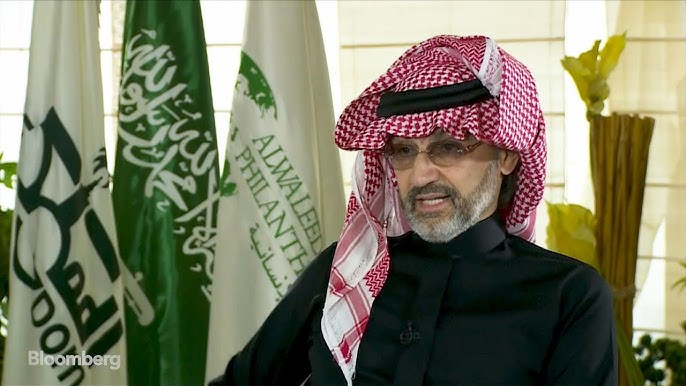
Young Entrepreneurs Making a Mark
Another notable trend is the rise of younger Saudi entrepreneurs who are redefining what it means to be wealthy in the kingdom. These individuals are leveraging technology, social media, and global networks to create businesses that are both culturally relevant and internationally competitive.
Unlike the traditional oil fortunes, many of these younger billionaires are self-made, relying on digital innovation, e-commerce, and fintech platforms. Their success stories are inspiring a new generation of Saudis to pursue entrepreneurship, fostering a culture of ambition and innovation that is contributing to the country’s growing representation on Forbes’ list.
Diversification Beyond Oil
Saudi billionaires’ return underscores the success of diversification strategies beyond oil. While oil remains a significant source of wealth, the most successful Saudi entrepreneurs today are those who have expanded into finance, entertainment, tourism, technology, and international markets.
For example, investments in global companies and partnerships have allowed these billionaires to benefit from economic growth outside the kingdom. Their ability to navigate complex international markets and secure high-value deals demonstrates a level of sophistication and foresight that positions them as global players rather than regional figures.
Cultural and Social Impact
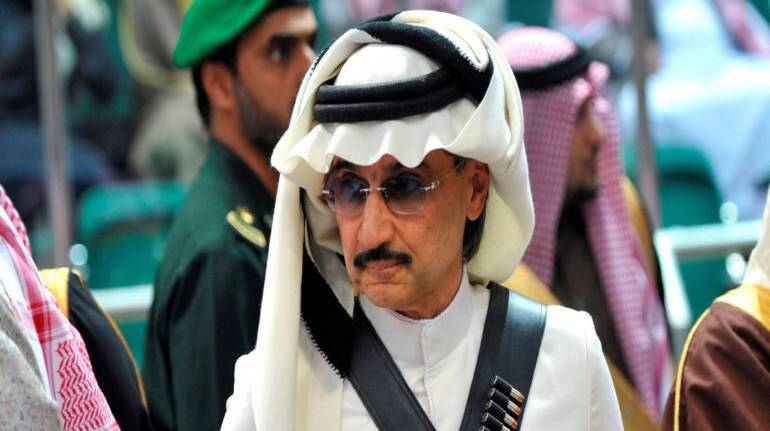
The resurgence of Saudi billionaires is not just an economic phenomenon; it also has cultural and social implications. Their visibility provides role models for aspiring business leaders and entrepreneurs in the kingdom. It sends a message that strategic thinking, innovation, and hard work can create global-level wealth.
Moreover, the return of Saudi billionaires to Forbes’ list elevates the kingdom’s international image, signaling economic vitality and competitiveness. It challenges stereotypes about the Middle East being solely oil-driven and highlights the creativity, ambition, and entrepreneurial spirit of its people.
Challenges and Future Outlook
While this comeback is remarkable, Saudi billionaires still face challenges. Global economic uncertainties, market fluctuations, and geopolitical dynamics can impact wealth sustainability. Additionally, continued diversification and innovation will be necessary to maintain their positions on the world stage.
However, the trajectory is promising. With Vision 2030 initiatives continuing to open new avenues for business growth, coupled with an emerging generation of savvy entrepreneurs, Saudi Arabia is likely to see a more consistent presence on global wealth rankings in the years to come.
Conclusion
The return of Saudi Arabians to Forbes’ billionaires list after eight years is a story of resilience, vision, and strategic growth. It reflects the kingdom’s evolving economic landscape, the rise of new entrepreneurial talent, and the power of diversification beyond traditional sectors.
For the people of Saudi Arabia, this is more than just numbers on a list. It is a celebration of ambition, innovation, and the potential to create wealth that resonates both locally and globally. As the kingdom continues its journey toward economic modernization, the world will undoubtedly watch closely as more Saudi billionaires emerge and thrive on the international stage.
Do follow Gulf Magazine on Instagram.
Also Read – Prince Alwaleed Bin Talal Talks AI, Trade Wars, and Saudi Arabia’s Future

