

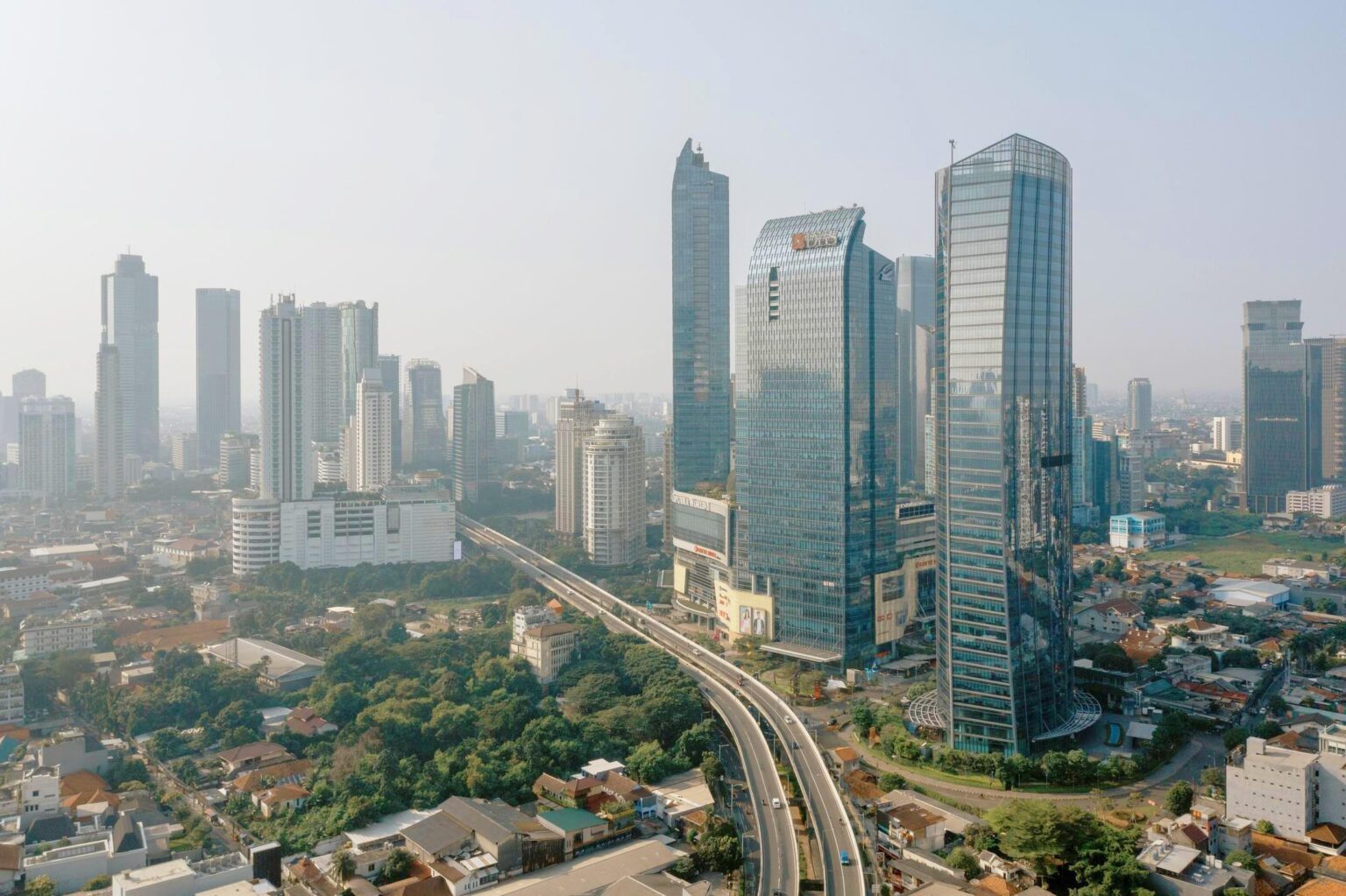
The Gulf region has long been known for its concentration of wealth with a handful of tycoons dominating industries ranging from real estate to energy. However, recent reports reveal that the combined fortunes of the seven richest individuals in the Gulf have fallen to $28.3 billion, a significant decline despite higher oil prices driving revenues for many regional economies.
This paradox highlights the complex dynamics of global markets, investment strategies, and economic policy. While oil remains a cornerstone of the Gulf’s prosperity, wealth in the region is increasingly influenced by factors beyond energy prices including financial markets, business diversification, and geopolitical tensions.
Understanding the Wealth Decline
Investment Losses and Market Volatility
Several of the Gulf’s wealthiest have significant holdings in publicly traded companies whose values fluctuate with global market conditions. While oil prices have rebounded, equity markets have faced volatility due to geopolitical uncertainties and inflationary pressures. This has eroded the paper wealth of tycoons whose portfolios are heavily exposed to these sectors.
For instance, investments in technology, hospitality, and industrial sectors which previously contributed to wealth accumulation have seen variable returns. Diversification, while generally a strategy to reduce risk, has not shielded these billionaires entirely from market swings.
Real Estate and Infrastructure Setbacks
Real estate has historically been a backbone of Gulf wealth with luxury developments and mega projects driving fortunes. However, delays in construction, rising material costs, and shifting demand have affected valuations. Mega city projects in countries like Saudi Arabia and the UAE, while ambitious, have faced challenges that directly impact the net worth of investors involved.
Property markets are sensitive not only to local economic conditions but also to global investment sentiment. As foreign investors recalibrate strategies due to geopolitical risks, Gulf tycoons have felt the effects in their portfolios.

Oil Prices Aren’t Enough
The Illusion of High Oil Revenues
Rising oil prices often suggest increased wealth yet the reality is nuanced. While governments and oil linked enterprises benefit from higher revenues, personal fortunes of tycoons are tied to diversified holdings, including sectors unrelated to energy.
For some Gulf billionaires, higher oil prices have been offset by losses elsewhere. Companies with international exposure have faced fluctuating foreign exchange rates, tariffs, and supply chain disruptions, all of which diminish overall wealth growth.
The Role of Strategic Spending
Tycoons have also made significant investments in expansion, philanthropy, and infrastructure projects. While these initiatives are valuable for long term influence and legacy, they temporarily reduce liquid net worth. Some of the observed decline may reflect strategic reinvestment rather than outright loss, suggesting that current figures do not fully capture potential future gains.
Individual Tycoons and Their Challenges
Diversification Risks
Each of the seven tycoons faces unique challenges. For example, those heavily invested in tourism and aviation were impacted by regional travel restrictions and global uncertainties. Other billionaires with stakes in industrial manufacturing faced rising energy and labor costs, compressing margins despite overall economic growth in the region.
Philanthropy and Social Investments
Many Gulf tycoons have increasingly focused on social projects, education, and environmental initiatives. While this enhances their public image and long term legacy, these activities also represent substantial financial commitments. The interplay between personal wealth, public influence, and social responsibility has become a defining characteristic of Gulf billionaires’ financial strategies.
Economic Trends Shaping Gulf Wealth
Global Market Interconnectivity
The decline in fortunes underscores how connected Gulf wealth is to global economic trends. Geopolitical tensions, interest rate changes, and global inflation all have downstream effects on asset valuations. The Gulf’s reliance on oil, while still significant, is only one piece of a much larger economic puzzle.
Regional Economic Transformation
Gulf countries are actively pursuing diversification, aiming to reduce dependence on hydrocarbons. Vision 2030 in Saudi Arabia and similar programs in the UAE emphasize sectors like technology, entertainment, and renewable energy. These initiatives create opportunities for billionaires to invest in emerging industries, though early stages of investment often involve high risk and volatility.
Lessons From the Wealth Decline
The Human Side of Billionaire Life
It is easy to assume that billionaires are immune to financial fluctuations but the recent decline shows a human dimension to wealth. Investment setbacks, market pressures, and strategic gambles impact even the richest individuals, highlighting the universal challenge of managing resources in an unpredictable world.
Resilience and Adaptation
Despite recent losses, Gulf tycoons continue to demonstrate resilience. Many are repositioning assets, diversifying portfolios, and investing in future focused industries. The current dip in wealth may be temporary, reflecting a period of recalibration rather than a permanent decline.
Looking Ahead: Opportunities and Risks
Future Growth Sectors
Emerging sectors like renewable energy, technology, and smart infrastructure present significant opportunities for wealth growth. Tycoons who leverage their experience and capital in these areas may see substantial returns in the coming decade, potentially offsetting recent declines.
Strategic Risk Management
The current wealth drop underscores the importance of risk management. Market volatility, geopolitical uncertainty, and sector specific challenges require thoughtful investment strategies. For Gulf billionaires, the ability to balance short term fluctuations with long term vision is critical for sustained success.
Conclusion
The combined fortunes of Gulf region’s seven richest individuals falling to $28.3 billion is a striking reminder that wealth, no matter how vast, is not immune to the complexities of global markets. While higher oil prices offer a temporary boost, the broader landscape of investments, diversification, and strategic spending plays a pivotal role in shaping financial outcomes.
This downturn, however, should not overshadow the long term potential of Gulf tycoons. By adapting to emerging trends, embracing diversification, and balancing risk with vision, these individuals continue to influence regional economies and global markets alike. Their experiences humanize the concept of wealth, showing that even billionaires navigate challenges, setbacks, and opportunities in the pursuit of lasting legacy and impact.
Do follow Gulf Magazine on Instagram.
Also Read – From Billionaire to Bust: Khalifa Al Muhairi’s Shocking Financial Collapse

