

A Guide to Street Food Culture in Kuwait offers a delicious journey through authentic flavors, cultural traditions, and a growing food movement in the heart of the Arabian Gulf. While Kuwait is known for luxury malls and oil wealth, the streets of this beautiful country tell another story — one of tradition, innovation, and taste.
The Rise of Street Food in Kuwait
Street food wasn’t always a big part of Kuwait’s identity. Traditionally, food was enjoyed in homes or high-end restaurants. But with increasing global exposure and the influence of neighboring countries like Saudi Arabia and the UAE, street food in Kuwait has grown into a cultural experience.
From sizzling grills to mobile food trucks, A Guide to Street Food Culture in Kuwait shows that this culinary trend is more than just food on the go — it’s a way to taste Kuwait’s heart and soul.
1. Shawarma – The Timeless Favorite
Any guide to street food culture in Kuwait must begin with shawarma. This beloved wrap, made with either chicken or beef, is sliced straight from a rotating spit and packed into fresh bread with garlic sauce, pickles, and sometimes fries.
Shawarma is available at nearly every street corner, with famous stalls like Shawarma Shuwaikh offering long queues late into the night. It’s affordable, filling, and universally loved.
2. Mutabbaq – A Savory Surprise
Mutabbaq is a stuffed pancake that originated in Yemen but has made its way deep into Kuwaiti street food culture. With fillings like minced meat, onions, and eggs, this dish is both crispy and hearty.
Vendors usually cook it on a large flat skillet and fold it into perfect squares. Mutabbaq is especially popular during Ramadan, but it’s easy to find all year round in Kuwait’s street markets.
3. Machboos in a Box – Tradition Meets Convenience
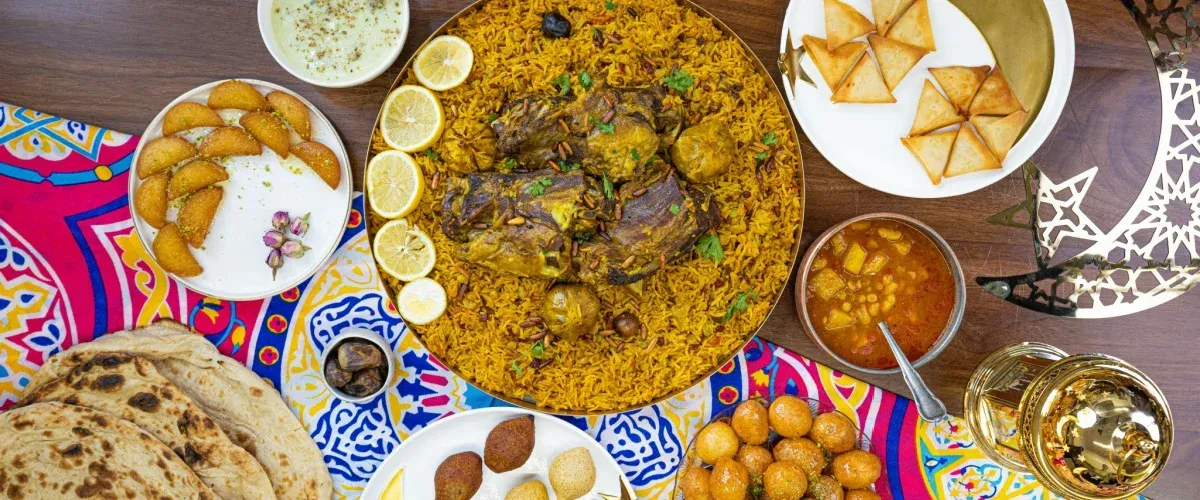
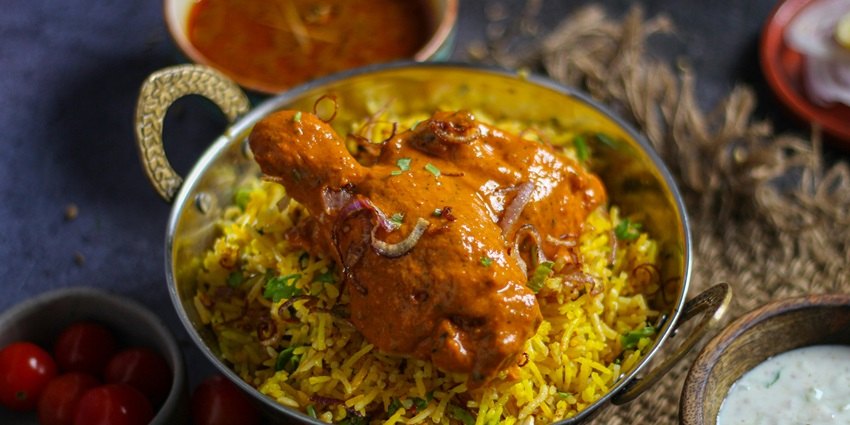
Machboos is Kuwait’s national dish, made with fragrant basmati rice, slow-cooked meat (usually lamb or chicken), saffron, and dried lemon (loomi). Traditionally served in homes or restaurants, street vendors have adapted Machboos into a portable box meal.
This allows locals and tourists alike to enjoy this cultural dish without having to sit down for a full meal. Many vendors now offer “Mini Machboos” at evening markets and festivals.
4. Falafel and Hummus – The Veggie Duo
If you’re looking for vegetarian options, falafel and hummus make an excellent pair. Crunchy fried chickpea balls combined with creamy hummus create a flavor that is both simple and powerful.
Falafel Factory Kuwait and Zad Al Sham are popular for their flavorful spices and fresh bread. These are common picks in A Guide to Street Food Culture in Kuwait, particularly among health-conscious foodies.
5. Samboosa – Spiced and Crispy
Samboosa, the Gulf version of the Indian samosa, is a Ramadan favorite that has become a year-round street food hit in Kuwait. These triangular pastries are deep-fried and filled with spiced potatoes, meat, or lentils.
Small roadside stalls and carts often sell samboosas by the piece or in bulk. Their crispy texture and savory filling make them a perfect on-the-go snack.
6. Chai Karak – The Sweet Comfort
While not exactly food, no guide to street food culture in Kuwait is complete without mentioning Chai Karak. This sweet and spicy milk tea has gained massive popularity across the Gulf.
Served in paper cups at roadside kiosks and food trucks, Chai Karak offers a cozy warmth, especially during cooler evenings. Many vendors even add cardamom or saffron for a Kuwaiti twist.
7. Ice Cream Rolls – The Modern Street Dessert
To end your food journey on a sweet note, Kuwait offers a creative take on dessert with ice cream rolls. Originating from Thailand, this trend has now become part of Kuwait’s street food scene, especially in youth-populated areas like Salmiya and Marina Crescent.
Vendors pour liquid cream onto an icy cold surface, add fresh fruits or candy, and roll the mixture into neat spirals. It’s a treat for the eyes and the taste buds.
Where to Find Street Food in Kuwait
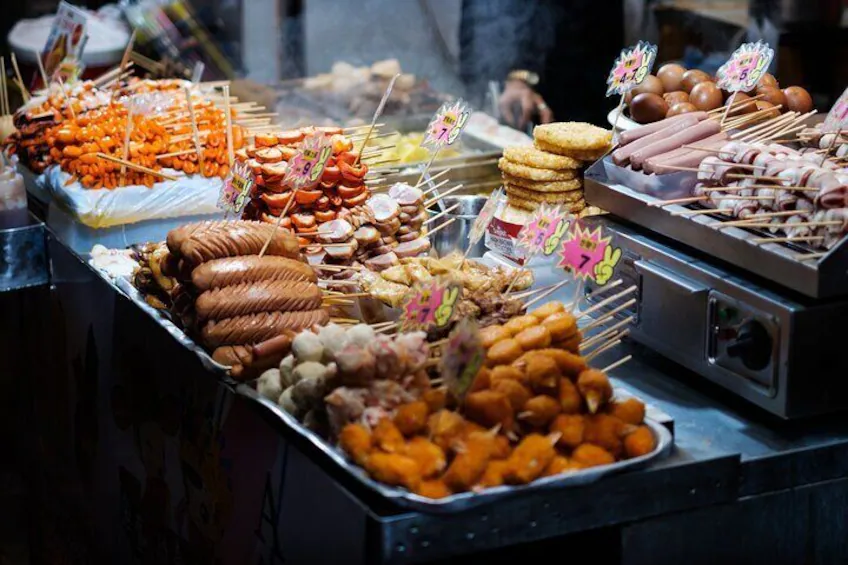
Street food in Kuwait is mostly available in:
- Souk Al-Mubarakiya – The oldest market in Kuwait and a hub for traditional snacks.
- Salmiya Area – Known for food trucks and trendy new vendors.
- Hawally and Farwaniya – Popular for South Asian and Arabic street foods.
- Kuwait City Waterfront – Perfect for a stroll with a snack in hand.
These areas not only offer delicious bites but also a chance to engage with Kuwait’s multicultural community. Vendors from India, Egypt, the Philippines, and Syria all add their flavors to Kuwait’s growing street food culture.
Tips for Enjoying Street Food in Kuwait
- Go during the evening. Many stalls open after 4 PM and operate late into the night.
- Carry cash. Not all vendors accept cards or digital payments.
- Be open-minded. Try unfamiliar dishes — you might find a new favorite.
- Check hygiene. Choose vendors with clean cooking areas and fresh ingredients.
Why Street Food Culture Matters in Kuwait
A Guide to Street Food Culture in Kuwait reveals more than just tasty dishes. It reflects how food connects people across backgrounds and how Kuwaiti youth are redefining food trends while preserving their roots.
With rising demand, the government is also showing support by licensing more food trucks and organizing food festivals, especially during national holidays. This evolution means more jobs, tourism boosts, and cultural exchanges.
Final Thought
A Guide to Street Food Culture in Kuwait isn’t just about cheap eats — it’s about the stories behind every bite. From traditional favorites like shawarma and Machboos to modern sweets like rolled ice cream, the streets of Kuwait are alive with flavor.
Whether you’re a tourist, an expat, or a local foodie, exploring street food is the easiest way to experience Kuwait’s heart. So next time you’re in Kuwait, skip the fine dining and hit the streets — your taste buds will thank you.
Also Read – 7 Brilliant Ways Kuwaiti Food Startups Are Changing Tradition

