

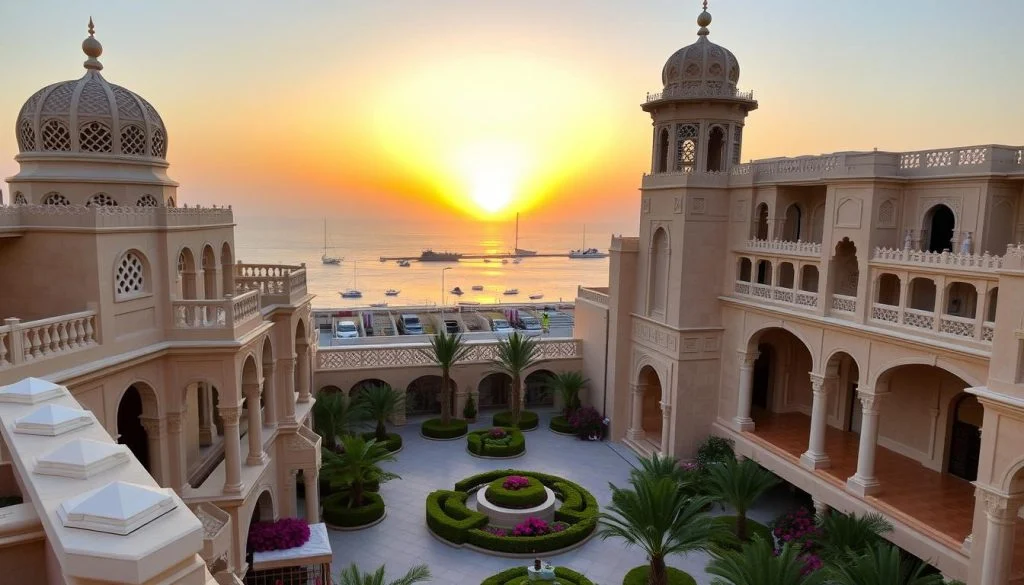
Abu Manaratain Mosque is not just a religious site; it’s a time capsule from the 1940s. Located near a busy fish market in Jeddah, this mosque is best known for its unique single-minaret structure, thick walls that reflect traditional Arabian architecture, and a striking tree that provides shade in its peaceful courtyard. Abu Manaratain Mosque stands as a rare and meaningful symbol of Jeddah’s rich Islamic and cultural heritage.
This article takes you through the intriguing history, architectural brilliance, and present-day importance of Abu Manaratain Mosque, making it one of the most underrated yet beautiful places to visit in Saudi Arabia.
A Brief History of Abu Manaratain Mosque
Abu Manaratain Mosque dates back to the early 1940s, during a time of growth and transition in Jeddah. The mosque was constructed as a community space for prayer and gatherings, and over the years, it became a vital part of the local identity. The name “Abu Manaratain” translates to “Father of Two Minarets,” which may surprise visitors because the mosque features only a single minaret. This adds to the curiosity and uniqueness of the site.
Originally built by local craftsmen using traditional construction methods, the mosque served not only as a place of worship but also as a refuge from the scorching desert heat, thanks to its thick, protective walls and airy interior layout.
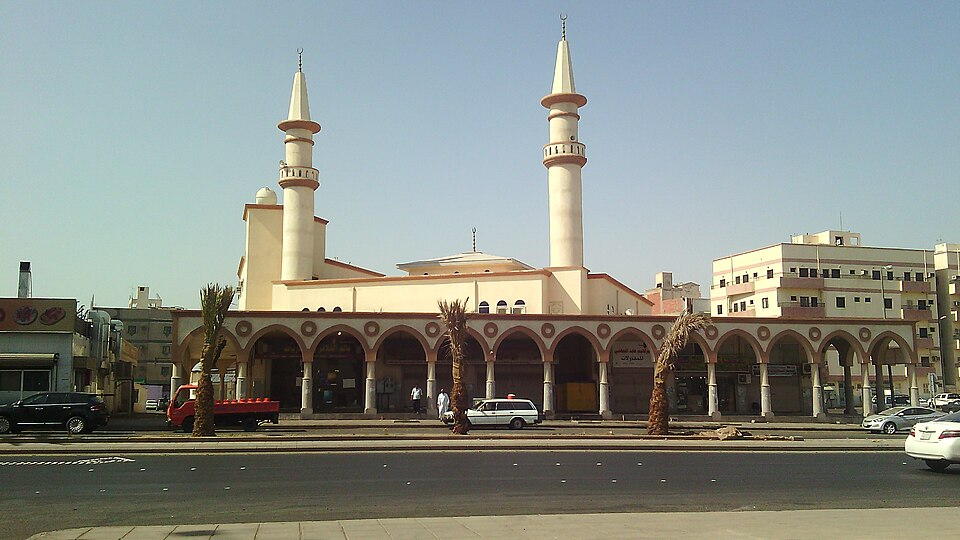
Unique Architecture: One Minaret, Many Stories
One of the most eye-catching aspects of Abu Manaratain Mosque is its architectural design. While most mosques feature twin minarets or domes, this mosque boldly stands with a single, tall minaret. The design is both functional and symbolic, serving as a call to prayer and a visual representation of simplicity and strength.
The walls are made of local stone and clay, materials chosen for their insulating properties in the extreme Saudi climate. The structure features small arched windows, wooden detailing, and a low-rise design that blends harmoniously with its surroundings.
Inside, the prayer area is open and minimal, allowing for natural air circulation. It offers a spiritual atmosphere that reflects the mosque’s roots in modesty and tradition.
The Tree in the Courtyard: A Symbol of Peace
Perhaps the most beloved feature of the Abu Manaratain Mosque is the large tree that stands in its courtyard. It’s not just a tree it’s a symbol of peace, endurance, and shelter. This tree has stood tall for decades, offering a shaded space for worshippers and visitors to rest, reflect, or quietly engage in prayer outside the mosque walls.
In a region where green spaces are rare, this single tree makes the mosque stand out even more. Many believe it reflects the spiritual growth and rootedness that Islam provides to its followers.
Cultural Connection: Mosque and the Local Fish Market
The mosque sits adjacent to a busy fish market, blending spiritual life with the daily hustle of Jeddah’s working-class community. This contrast makes Abu Manaratain Mosque even more special. After morning prayers, it’s common to see worshippers heading to the market to start their day, making the mosque a natural part of their routine.
The market and mosque combination is symbolic it reflects the balance of faith and livelihood in the everyday lives of local people. This synergy adds depth to the mosque’s historical and cultural role in the area.
Restoration Efforts: Preserving the Past for the Future
Despite being over 80 years old, Abu Manaratain Mosque has survived time, weather, and modernization. Thanks to several government and private restoration initiatives in recent years, the mosque remains well-preserved.
Efforts have been made to restore its original features without compromising its historic integrity. From reinforcing the minaret to refurbishing the interior prayer hall, these efforts have ensured the mosque remains both functional and authentic.
The Saudi Ministry of Islamic Affairs has also listed it among the key heritage mosques, underlining the importance of preserving such culturally rich religious structures.

Why Abu Manaratain Mosque Deserves a Spot on Your Travel List
With so many modern buildings emerging across Saudi Arabia, visiting a place like Abu Manaratain Mosque offers a breath of fresh air and a chance to connect with the roots of Islamic architecture and spirituality.
Whether you’re a tourist, a local, or someone interested in cultural history, the mosque offers:
- A quiet and peaceful environment for reflection
- A deeper understanding of 1940s Islamic architecture
- A symbol of the bond between religion and daily life
- An opportunity to witness living history in action
In short, Abu Manaratain Mosque is not just a building—it’s an experience.
Visiting Tips for Travelers and Locals
If you plan to visit Abu Manaratain Mosque, here are some tips to enhance your experience:
- Dress Modestly: As a place of worship, visitors should wear respectful clothing.
- Avoid Peak Hours: Visit during early morning or late afternoon for a quiet atmosphere.
- Explore the Market: Don’t miss out on the adjacent fish market it offers a true local experience.
- Photography: Take permission before clicking photos, especially inside.
- Respect Prayer Times: Non-Muslims can observe but should avoid interrupting prayer sessions.
Conclusion: Abu Manaratain Mosque A True Hidden Gem
Abu Manaratain Mosque stands quietly but proudly as one of Jeddah’s most meaningful landmarks. From its unique single-minaret design to its tranquil courtyard and the adjacent fish market, everything about this mosque tells a story of faith, community, and tradition.
In a time when modernization dominates city landscapes, this mosque reminds us of the beauty of simplicity, the importance of heritage, and the power of preservation. Whether you’re seeking spiritual solace, cultural exploration, or simply a peaceful retreat, Abu Manaratain Mosque delivers a fulfilling and unforgettable experience.
Don’t just read about it make sure to add Abu Manaratain Mosque to your list when exploring Saudi Arabia’s rich Islamic heritage.
Do follow Gulf Magazine on Instagram
Also Read – Al Wakrah Public Garden: So Peaceful, So Perfect for Families

