

AI’s Role in Mental Health: Insights from ‘STEM powered Women’ Event
At the recent ‘Shaping Tomorrow: STEMpowered Women’ event in Doha, Qatar, Narjiss Sallahi, an AI Consultant at the Primary Health Care Corporation (PHCC), shared her expertise on the integration of artificial intelligence (AI) in healthcare. The event, held at the University of Doha for Science and Technology, gathered professionals and enthusiasts to discuss the evolving landscape of STEM fields.
AI as a Supportive Tool in Healthcare
Sallahi emphasized that AI should be viewed as a complementary tool for healthcare professionals, not a replacement. “AI is not a replacement for human expertise, but rather a tool to assist healthcare professionals,” she stated. She highlighted that the effectiveness of AI systems heavily depends on the quality of data they are trained on. While auto-diagnosis solutions are emerging globally, achieving 100% accuracy remains a challenge. Therefore, AI’s primary role is to enhance healthcare capabilities, not to supplant medical practitioners.
Ethical Considerations and Accountability
The integration of AI into healthcare brings forth critical ethical questions, particularly concerning accountability. Sallahi posed a thought-provoking question: “If there’s a misdiagnosis, who is responsible? The hospital? The technology? The company? Or the doctor?” This underscores the necessity for clear guidelines and regulations to delineate responsibility when AI systems are involved in patient care. Ensuring that AI serves to augment the efficiency of healthcare processes without undermining the pivotal role of medical professionals is paramount.
Public Perception and Acceptance of AI
Drawing parallels to past technological advancements, Sallahi addressed the public’s apprehension toward AI. She compared the current skepticism surrounding AI to the initial uncertainty during the advent of the internet. “When the internet was first introduced, people were skeptical and uncertain about its impact. Similarly, AI should be embraced for its potential to improve lives,” she remarked. Sallahi encouraged individuals to approach AI with courage and openness, exploring its benefits and understanding how it can positively influence daily life.
AI’s Potential in Mental Health Support
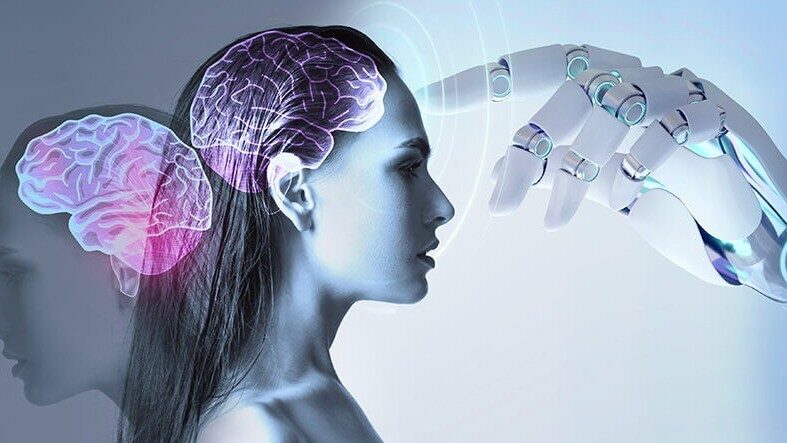
In a conversation with The Peninsula on the sidelines of the event, Sallahi delved into AI’s potential impact on mental health care. She discussed how AI can offer support to individuals facing emotional and psychological challenges. “AI can provide people with a virtual assistant or personal psychologist that offers advice, motivation, and a non-judgmental space to talk,” she explained. This approach can be particularly beneficial for those who may hesitate to seek traditional therapy due to stigma or accessibility issues.
The concept of AI-driven mental health support is gaining traction globally. AI chatbots and virtual therapists are being developed to provide immediate assistance, coping strategies, and even early detection of mental health issues. However, the implementation of such technologies must be handled with care, ensuring that they are designed to complement, not replace, human interaction.
Balancing Innovation with Ethical Responsibility
The discussions at the ‘STEMpowered Women’ event highlight a crucial aspect of technological advancement: balancing innovation with ethical responsibility. As AI continues to permeate various sectors, including healthcare, it is imperative to establish frameworks that address ethical considerations, data privacy, and accountability.
Sallahi’s insights resonate with ongoing global conversations about the ethical implications of AI in mental health care. A study published in The Egyptian Journal of Neurology, Psychiatry and Neurosurgery emphasizes the need for clear ethical guidelines in AI applications, particularly concerning privacy, bias, transparency, and the preservation of the physician–patient relationship. The study advocates for balancing innovation with ethics to ensure that AI technologies enhance the well-being of individuals while safeguarding their rights and dignity.
The Path Forward
As AI technology continues to evolve, its integration into healthcare systems offers promising possibilities for improving patient outcomes and accessibility to services. However, this integration must be approached thoughtfully, with a focus on ethical considerations, clear accountability, and the preservation of human-centric care.
The ‘STEMpowered Women’ event serves as a platform for such critical discussions, bringing together experts to navigate the complexities of AI in healthcare. By fostering open dialogue and collaboration, the event contributes to shaping a future where AI and human expertise coexist harmoniously, ultimately enhancing the quality of care and support available to individuals worldwide.
In conclusion, the insights shared by Narjiss Sallahi underscore the transformative potential of AI in healthcare, particularly in mental health support. Embracing AI’s capabilities, while diligently addressing ethical and practical challenges, can lead to a more efficient, accessible, and compassionate healthcare system.
Do follow gulf magazine on Instagram
for more information click here

