


In a monumental step toward revitalizing regional connectivity, Amtrak has officially restored its Gulf Coast passenger rail service, nearly two decades after Hurricane Katrina devastated the region. This long-awaited return is more than just a train route it is a symbol of resilience, community strength, and the promise of renewed growth for the Gulf Coast.
The announcement of the restored service has stirred excitement from New Orleans to Mobile, as communities that were once disconnected by disaster can finally reconnect. The Gulf Coast route, known for its scenic views and cultural significance, has long held a special place in the hearts of residents and travelers alike. Its revival represents the power of perseverance and collaboration, highlighting the role of transportation in shaping social and economic development.
The Legacy of Hurricane Katrina
When Hurricane Katrina struck the Gulf Coast in August 2005, it left a trail of destruction that reshaped the region forever. The storm claimed thousands of lives and displaced tens of thousands more. Entire neighborhoods were wiped out, businesses were destroyed, and critical infrastructure including roads, bridges, and rail lines was severely damaged.
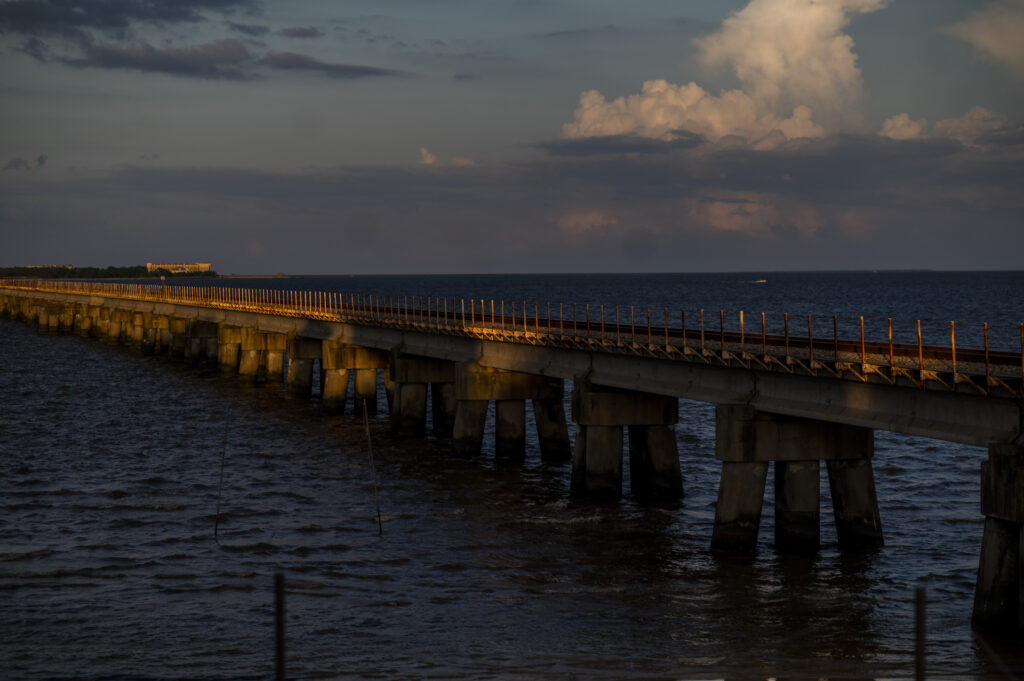
The Gulf Coast rail route was one of the many casualties. Tracks that once carried thousands of passengers between New Orleans, Mississippi’s coastal towns, and Mobile, Alabama, were left unusable. For many, the suspension of rail services meant not only a loss of transportation options but also a fracture in the social and economic fabric of the region. Residents who had relied on the train for commuting, tourism, and visiting family were forced to seek alternate, often more costly, methods of travel.
The Challenges of Rebuilding
Restoring the Gulf Coast route was never going to be easy. The infrastructure had suffered both from Katrina and years of neglect following the disaster. Tracks, bridges, and stations needed extensive repairs, while safety standards required modernization to meet current regulations. Funding and coordination were additional hurdles, as the project required collaboration among multiple states, federal agencies, and Amtrak itself.
Local leaders, business owners, and residents all had a stake in the restoration process. Community meetings, planning sessions, and advocacy efforts played a key role in ensuring the project moved forward. Securing federal funding was particularly challenging, as the project competed with other national infrastructure priorities. But persistence paid off, and through dedicated efforts, a plan to restore passenger rail service was developed.
The Mardi Gras Service: Honoring Gulf Coast Culture
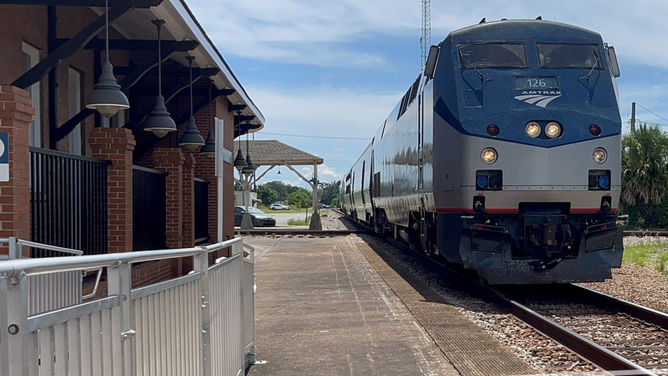
The revived service, now known as the Mardi Gras Service, pays homage to the Gulf Coast’s rich cultural heritage. The route connects New Orleans and Mobile with multiple stops along the Mississippi Gulf Coast, including Bay St. Louis, Gulfport, Biloxi, and Pascagoula. Twice daily departures ensure travelers have convenient options for both short and long trips.
The name “Mardi Gras Service” is symbolic. Mardi Gras, with its vibrant parades, music, and celebration, reflects the spirit of resilience that has defined the Gulf Coast for generations. The train route, which winds through historic towns, coastal wetlands, and scenic vistas, offers passengers not just a mode of transportation but an experience deeply connected to the region’s identity.
Economic Revival Through Rail
The return of passenger rail service is expected to have significant economic impacts. Tourism, long a major economic driver for the Gulf Coast, stands to benefit immensely. Travelers can now easily access cultural events, historic sites, and coastal attractions without relying on personal vehicles.
Local businesses along the route are poised for increased patronage. Restaurants, hotels, and shops in towns like Biloxi and Gulfport anticipate higher foot traffic as tourists arrive via the train. Small businesses that once struggled due to isolation may find new opportunities for growth. For many, the rail service represents not just convenience but hope a tangible sign that the Gulf Coast economy is on the path to recovery.
Cultural Reconnection
Beyond economics, the restored Gulf Coast route fosters cultural reconnection. For decades, passenger trains helped maintain bonds between communities. Families, students, and artists relied on the train to move across cities, fostering exchanges that enriched the cultural landscape.
With the Mardi Gras Service back in operation, cultural events and festivals are more accessible to a wider audience. Local theaters, museums, and music venues expect increased attendance, while residents can easily attend cultural events in neighboring cities. The train, therefore, becomes a conduit for both economic growth and cultural vibrancy.
Environmental Benefits
In addition to its social and economic impact, the restored rail line offers important environmental advantages. Rail travel is far more energy-efficient than car travel, producing lower carbon emissions per passenger mile. By encouraging travelers to use the train instead of driving long distances, the Gulf Coast route contributes to efforts to combat climate change.
Furthermore, reduced road traffic means less congestion and lower stress on highways and bridges, which in turn decreases maintenance costs and the environmental footprint of transportation infrastructure. The Mardi Gras Service embodies a modern vision of sustainable regional travel—efficient, environmentally friendly, and community-focused.
Community Voices
Residents along the Gulf Coast have expressed excitement and gratitude over the return of Amtrak service. Many recall the frustration and isolation that followed Katrina, and the restoration of the rail line represents a tangible return to normalcy.
One resident of Gulfport shared, “I grew up taking the train to visit family in New Orleans. When Katrina hit, that connection was gone. Now, seeing the tracks in use again, I feel like my childhood memories are coming back to life.”
Small business owners also voiced optimism, seeing the train as an opportunity to revive commerce and attract new visitors. Local schools and universities anticipate benefits as well, as students gain reliable transportation for commuting and exploring neighboring cities.
Modern Amenities and Passenger Experience
The Mardi Gras Service is designed with modern passengers in mind. Free Wi-Fi, accessible seating, and pet accommodations ensure comfort for all travelers. Baggage allowances make the train a convenient option for families, tourists, and business travelers alike.
The scenic journey along the Gulf Coast adds an element of leisure to the experience. Passengers are treated to views of coastal marshes, historic architecture, and vibrant downtown areas. Whether commuting, traveling for business, or enjoying a weekend getaway, the train offers a unique experience that goes beyond transportation.
Lessons from Two Decades
The restoration of the Gulf Coast route also provides valuable lessons in disaster recovery and infrastructure resilience. Katrina demonstrated the vulnerability of transportation networks to extreme weather events, while the successful rebuilding highlights the importance of community collaboration, long-term planning, and investment in sustainable infrastructure.
Policymakers and transportation planners nationwide can look to the Gulf Coast project as a model for how to approach similar restoration and resilience efforts. The project shows that, even in the face of prolonged disruption, commitment, collaboration, and vision can bring vital services back to life.
Looking Ahead: Expanding Opportunities
The Mardi Gras Service is just the beginning. Plans are underway to expand the route, increase the frequency of trips, and further integrate the Gulf Coast with broader regional transportation networks. Potential expansions could link cities further along the Gulf Coast or connect with other major Amtrak routes, providing even greater access for residents and travelers.
The project also opens doors for community development along the route. Transit-oriented development, improved public transport connections, and enhanced tourism infrastructure can create a cycle of growth and opportunity. The Gulf Coast rail line may well become a backbone of regional revitalization in the coming decades.
A Symbol of Hope
More than just tracks and trains, the restored Gulf Coast route represents resilience, determination, and the enduring spirit of the communities it serves. The return of passenger rail is a reminder that recovery is possible, even after the most devastating natural disasters.
As the Mardi Gras Service embarks on its first journeys, it carries more than passengers it carries stories, memories, and hope. It reconnects people to their communities, to their neighbors, and to a sense of normalcy that was absent for too long.
Conclusion
Amtrak’s return to the Gulf Coast is a triumph of human spirit and community collaboration. Twenty years after Hurricane Katrina, the restoration of this rail route reconnects cities, revives local economies, and celebrates the cultural richness of the region. The Mardi Gras Service stands as a shining example of how perseverance, planning, and passion can overcome adversity, transforming challenges into opportunities for growth and connection.
The Gulf Coast now has a renewed lifeline, offering travelers a modern, sustainable, and meaningful way to experience the region. As trains roll along the restored tracks, they carry with them the promise of a vibrant future a future defined not by the tragedies of the past, but by the resilience, unity, and hope of the people who call the Gulf Coast home.
Do follow Gulf Magazine on Instagram.
Also Read – Table Tennis Thrives: Dubai’s Incredible Global Impact

