

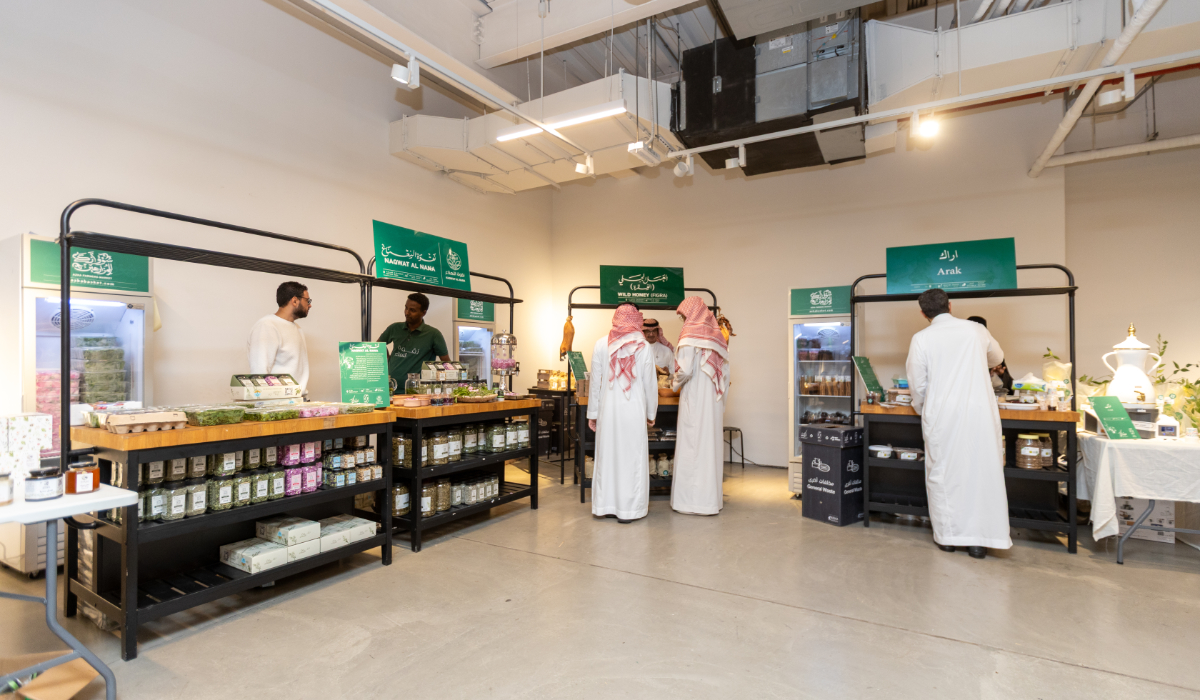
The Azka Farmers Market has become more than a place to buy fresh produce. Over recent weeks it has transformed into a lively stage where Saudi beekeepers and artisans take center stage, sharing the hum of beehives, the warmth of golden honey, and the quiet confidence of craftsmanship passed down through families. The market pulses with the rhythms of rural life, while visitors curious locals and travelers alike gather to celebrate a living tradition that tastes as good as it feels.
Morning light and the first jars of gold
Sunrise at Azka brings a gentle bustle. Stalls glow under canopies, crates of fruit and vegetables stand like small orchards, and in one corner, beeswax candles, comb honey and jars of liquid amber sit in neat rows. The early morning light makes the honey look almost sacred thick, luminous, and inviting. People arrive with reusable bags and smiles; conversation moves easily from greeting to the inevitable question: “Which hive is this from”
There is an intimacy in how beekeepers talk about their hives. They do not simply sell honey; they tell stories of valley blossoms, of dates and citrus, of scents that change with the season. Each jar carries those stories, and customers seem to know it. They listen, they sample, and many buy not just for the taste but for the connection to the land, to the caretakers, and to a slower way of life.
Beekeeping as heritage and livelihood
For many families represented at Azka, beekeeping is both heritage and livelihood. Grandparents taught children how to read wax patterns and how to move gently so a colony stays calm. Those lessons are practical and spiritual: respect for the bees, attention to detail, and patience.
At the market, young beekeepers stand beside older relatives, learning to answer questions and to share their knowledge without making it feel like a lecture. They explain sustainable practices, such as rotating hives and planting bee friendly flowers, in conversational tones that invite interest rather than judgement. The work supports families and strengthens community bonds, and that reality is visible in the steady hands pouring honey and the soft laughter exchanged between vendors.
Artisans craft beauty from simple ingredients
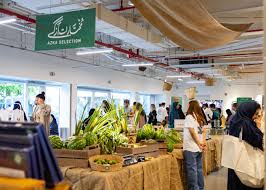
Beyond honey, Azka is alive with artisans who use simple, natural materials to craft objects of beauty. From beeswax wraps replacing plastic to hand carved wooden honey dippers, the market showcases practical artistry. These makers combine old techniques with modern design, creating pieces that feel both timeless and fresh.
Stall after stall offers small wonders: pottery glazed in ochre tones, embroidered textiles patterned with local motifs, and scented soaps infused with propolis and herbs. Each item tells a story about place about sunlight, soil and honest labour. Customers often linger, trying to imagine how something will fit into their homes, how a handcrafted bowl or candle might become part of daily rituals.
The taste of place honey varieties and pairings
One of Azka’s most delightful offerings is the diversity of honey. There is full bodied mountain honey with earthy undertones, citrus floral honey from orchard regions, and a delicate, light honey harvested after spring blooms. Vendors encourage small tastings, guiding visitors to discover subtle notes: a hint of thyme, a whisper of rosemary, a warm date like finish.
People start thinking in pairings honey with labneh for breakfast, drizzled over roasted vegetables at dinner, or stirred into mint tea on a cool evening. Chefs at nearby pop ups create small plates that highlight honey’s versatility: a sharp cheese balanced with sweet, a salad enlivened with a honey lemon dressing. Through taste, the market becomes a classroom where culture is learned bite by bite.
Women artisans step forward
A notable and heartening trend at Azka is the visible presence of women artisans. From apiarists who manage hives to craftswomen weaving baskets and preparing herbal balms, women are taking active, public roles in the market. Their participation brings new perspectives and techniques, and it reshapes traditional narratives about who works with the land.
Conversations at stalls feel collaborative rather than transactional. Customers ask about production methods, and artisans respond with modest pride. These encounters foster trust and open possibilities for mentorships, workshops and cooperative projects that could expand opportunities for more women across rural communities.
Sustainability at the heart of the market
Sustainability is not a marketing phrase at Azka; it is an everyday ethic. Vendors use minimal packaging, prioritize local materials and work with seasonal cycles. Beekeepers explain how healthy bee populations are essential not only for honey but for the pollination that supports whole ecosystems and local agriculture.
Workshops held on market days teach families how to set up small rooftop hives or plant pollinator gardens in urban balconies. Children watch bees through safe observation boxes and learn why protecting pollinators matters. These small actions, repeated by many, begin to form a practical local movement toward environmental stewardship.
Community, culture and quiet activism
The Azka Farmers Market is more than commerce; it is community building. It is a place where elders meet youth, where rural producers and city residents exchange ideas, and where small acts ripple outward. A beekeeper’s conversation about hive health might influence a gardener to change what they plant. An artisan’s demonstration of natural dyes might inspire a school project.
There is a gentle, quiet activism here. By choosing locally produced honey and handmade goods, visitors vote with their wallets for small scale production, for transparency, and for a slower, more intentional way of living. In a world saturated with mass produced options, Azka offers an alternative that feels human and hopeful.
Learning, tasting and taking home more than products
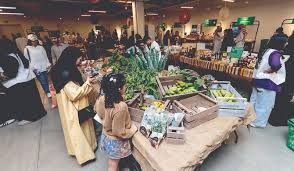
Visitors leave Azka with more than purchases. They carry stories, recipes, and new friendships. A jar of honey is a memory of a conversation about weather and blooms. A beeswax candle becomes a reminder of the market’s golden mornings. For many, these items become anchors little relics that bring a sense of place back into urban homes.
Workshops enhance this exchange. Hands on sessions teach people how to make beeswax wraps, blend herbal salves, or start a small beehive. These experiences are empowering; they transform passive buyers into active participants in a living craft. Participants leave with the confidence to try small, sustainable changes at home.
Looking ahead growth with balance
There is palpable excitement about Azka’s future. Organizers and vendors imagine expanded festival days, educational programs and partnerships with local restaurants. Yet growth is discussed with care. Beekeepers frequently remind each other that expansion must respect seasonal limits and bee welfare. Artisans emphasize the importance of preserving craftsmanship quality even as demand increases.
This commitment to balance to growing responsibly while keeping the market’s human scale is what makes Azka special. It is a place where prosperity and preservation are held together, where community well being is as important as profit.
A final note on sweetness and solidarity
Walking through Azka, the market’s warmth becomes clear: it is a sweetness born from solidarity. Here, beekeepers and artisans are visible, celebrated and deeply connected to the people who buy their goods. The market is a living reminder that food and craft are intertwined with identity, memory and care.
As the day ends and lamps are lit, the rows of jars and handcrafted goods take on an almost celebratory glow. Visitors leave with bags full of honey, candles and small treasures and with the knowledge that each purchase has supported a person, a family, and a tradition. In that way, Azka is not only a marketplace; it is a place where the simple act of choosing local becomes an act of kindness.
Do follow Gulf Magazine on Instagram.
Also Read – Pioneering Partnership City of London Drives Prosperity on Saudi Investment Mission

