

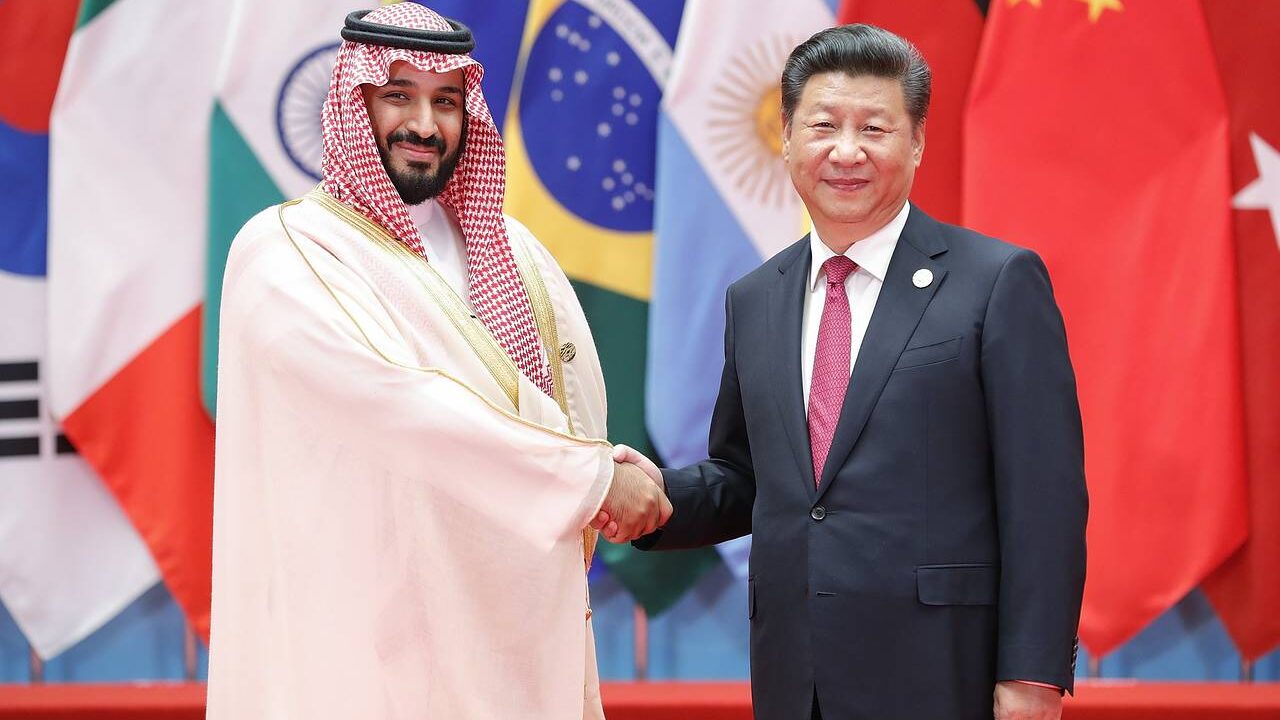
China and Saudi Arabia: A Deepening Strategic Partnership
In recent years, China and Saudi Arabia have rapidly transformed their relationship from a traditional oil-based alliance into a multifaceted and dynamic strategic partnership. The growing collaboration between the two nations encompasses not only economic and trade ties but also technological, industrial, and geopolitical dimensions. This shift aligns with both countries’ long-term development goals and reflects a shared desire to diversify their economies, enhance regional stability, and strengthen their global influence.
Economic and Trade Relations
Trade between China and Saudi Arabia has flourished over the past decade, with China emerging as the Kingdom’s largest trading partner. The bilateral trade volume between the two countries reached an impressive $87.3 billion in 2021. Of this, Chinese exports to Saudi Arabia amounted to $30.3 billion, while Saudi exports, primarily consisting of crude oil and petrochemical products, totaled $57 billion. These figures underscore the central role that energy continues to play in the economic relationship between China and Saudi Arabia.
However, the two countries are not content with relying solely on oil and energy exports. Both nations have been actively working to diversify their economic engagements across various sectors. Chinese companies have been making significant investments in Saudi Arabia’s infrastructure, manufacturing, and technology sectors. Notably, Saudi Aramco, the world’s largest oil company, and China’s Sinopec have expanded their joint petrochemical venture, Yasref, by constructing new facilities such as a mixed-feed steam cracker and an aromatics complex. These investments are strengthening both nations’ refining and petrochemical capabilities, further diversifying their economic cooperation.
Beyond the energy sector, China has also become a key player in the Kingdom’s ambitious Vision 2030 plan, which aims to reduce Saudi Arabia’s dependence on oil revenues by diversifying the economy into non-oil sectors. This includes an increased focus on technology, manufacturing, and tourism, all of which present new opportunities for Chinese businesses to engage with the Kingdom.
Energy Cooperation: A Pillar of the Partnership
Energy cooperation remains the cornerstone of the China-Saudi Arabia relationship. As the world’s largest energy importer, China has long relied on Saudi Arabia as a crucial supplier of oil. Saudi Arabia is a key part of China’s energy strategy, and in 2022, China imported approximately 1.77 million barrels of oil per day from the Kingdom, valued at $55.5 billion. This steady supply of crude oil plays a crucial role in supporting China’s energy needs and its rapidly growing economy.
Looking ahead, Saudi Arabia’s crude oil exports to China are expected to rise even further. Projections for April 2025 suggest that these exports could reach around 48 million barrels. This increase follows a price reduction by Saudi Aramco, designed to strengthen the Kingdom’s market share and meet the growing demand from China’s refineries. Such developments emphasize the importance of Saudi Arabia’s role in China’s energy strategy and the mutual benefits of this longstanding partnership.
Technological and Industrial Collaboration: A Shared Vision for the Future
In addition to energy, China and Saudi Arabia have deepened their collaboration in technological and industrial sectors. One key area of cooperation is the Kingdom’s push toward renewable energy, in line with its Vision 2030 goals. Chinese firms, particularly in solar and wind technologies, are playing an active role in this transformation. By bringing their advanced expertise in clean energy to Saudi Arabia, Chinese companies are helping the Kingdom reduce its reliance on fossil fuels and develop a more sustainable energy future.
This alignment of interests in the field of renewable energy is a natural extension of the broader strategic cooperation between the two countries. China’s significant technological capabilities in solar energy, wind power, and energy storage complement Saudi Arabia’s efforts to diversify its energy mix and position itself as a leader in green technology.
Beyond the energy sector, the two countries are expanding cooperation in finance, logistics, and manufacturing. The establishment of Chinese bank branches in Saudi Arabia and joint ventures in various industries are examples of this broader partnership. The growing presence of Chinese businesses in Saudi Arabia helps to integrate the two economies further, facilitating the exchange of knowledge and investment in critical infrastructure projects.
Geopolitical and Strategic Alignment
The strengthening of China-Saudi relations also carries significant geopolitical and strategic implications. Both countries share a desire to enhance their global influence and support each other in regional and international forums. Their collaboration is seen as a counterbalance to the influence of other major powers in the Middle East and beyond. By deepening their relationship, China and Saudi Arabia are able to exert greater influence over global trade routes, energy markets, and security dynamics.
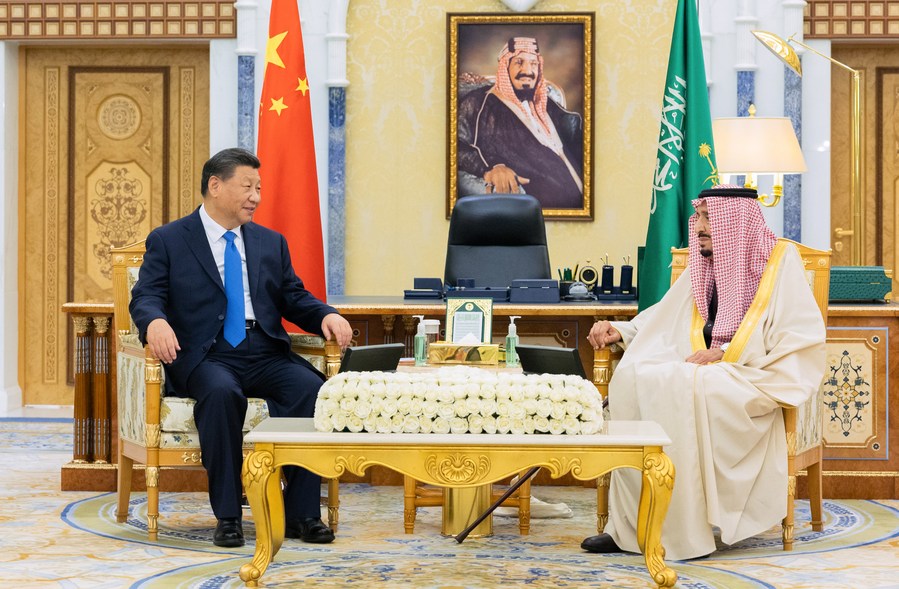
One of the defining moments in the relationship between the two nations occurred in December 2022, when Chinese President Xi Jinping visited Riyadh and signed a comprehensive strategic partnership agreement. This agreement emphasized both nations’ commitment to supporting each other’s core interests, enhancing cooperation across sectors, and promoting peace and stability in the Middle East.
The partnership between China and Saudi Arabia is not only economic but also cultural. Both countries are keen on fostering greater people-to-people exchanges and promoting mutual understanding between their populations. This deepening cultural connection is expected to help solidify the long-term strategic alliance between China and Saudi Arabia, strengthening the foundations of their collaboration.
The Future of China-Saudi Relations
Looking forward, the partnership between China and Saudi Arabia is set to play an increasingly pivotal role in shaping the economic, political, and security landscapes of the Middle East and beyond. As both nations continue to diversify their economies and enhance their strategic ties, their growing relationship has broader implications for global markets and international alliances.
The China-Saudi partnership is also likely to have a lasting impact on global energy markets. With Saudi Arabia’s vast oil reserves and China’s status as the world’s largest energy importer, the two countries’ energy cooperation will remain at the heart of their bilateral ties. Moreover, as China continues to lead in renewable energy technologies, the collaboration in clean energy could offer a blueprint for other nations seeking to balance economic growth with environmental sustainability.
In addition to energy, the two countries’ increasing engagement in non-oil sectors such as technology, finance, and infrastructure will continue to drive growth and innovation in both nations. As Saudi Arabia’s Vision 2030 progresses, its partnership with China will likely play a crucial role in helping the Kingdom achieve its long-term economic diversification goals.
Conclusion
The evolving relationship between China and Saudi Arabia is a powerful example of a modern strategic partnership that goes far beyond oil. By expanding their cooperation in economic, technological, and geopolitical spheres, both countries are positioning themselves for a future of shared growth and prosperity. As the partnership continues to deepen, it will have significant implications for the broader Middle East region and the world. The China-Saudi alliance exemplifies how countries can successfully collaborate to achieve common goals, even in a rapidly changing global landscape.
Through continued investment, technological exchange, and geopolitical cooperation, China and Saudi Arabia will undoubtedly continue to shape the future of the global economy and play a key role in defining the direction of international relations in the 21st century.
Do follow gulf magazine on Instagram
for more information click here

