

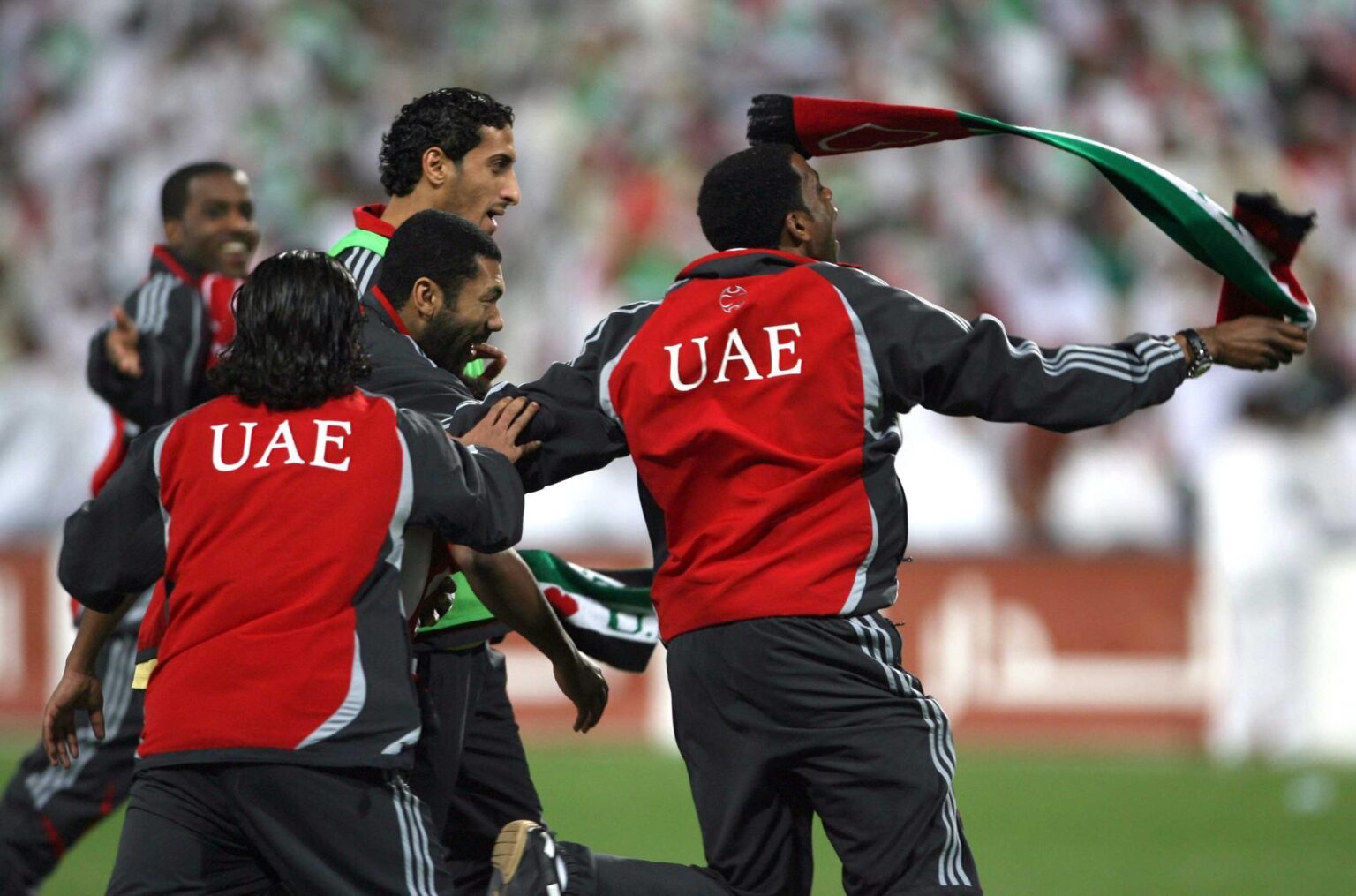
For more than half a century, the Arabian Gulf Cup has occupied a special place in the hearts of football fans across the Gulf. It is not simply a competition for silverware, rankings, or bragging rights. Instead, it represents something deeper and more enduring a shared sporting identity that transcends borders, politics, and generations. Each edition of the tournament rekindles familiar emotions: anticipation before kickoff, nervous excitement during tight matches, and collective celebration or heartbreak at the final whistle.
The 26th edition of the Arabian Gulf Cup, widely known as Khaleeji Zain 26, once again reminded the region why this tournament continues to matter. As teams gathered to compete, millions of fans tuned in, not just to support their national sides, but to participate in a regional tradition that has long united the Gulf through football.
The Historical Roots of the Gulf Cup
The Arabian Gulf Cup was born out of a desire to foster cooperation and friendship among neighboring nations through sport. When the tournament began in the early 1970s, football infrastructure in the region was still developing. Yet the vision was clear: to create a recurring competition that would strengthen ties, elevate football standards, and give Gulf nations a common sporting platform.
Over time, the Gulf Cup evolved alongside the region itself. As stadiums became more modern, leagues more professional, and players more internationally experienced, the tournament grew in stature. What remained constant, however, was its spirit. From modest beginnings to packed stadiums and global broadcasts, the Gulf Cup has consistently reflected the region’s growth while preserving its sense of shared identity.
Football as a Common Language
One of the most remarkable aspects of the Arabian Gulf Cup is its ability to act as a common language across diverse cultures and societies. While each nation brings its own footballing style, traditions, and fan culture, the tournament creates a space where these differences coexist harmoniously.
During Khaleeji Zain 26, fans from across the Gulf followed every twist and turn of the competition. Social media platforms buzzed with discussions, debates, and celebrations that crossed national boundaries. Goals were replayed endlessly, controversial refereeing decisions dissected, and standout performances praised often by fans whose teams were no longer in the tournament. In these moments, football became a shared conversation, uniting millions through a single passion.
Rivalry Without Resentment
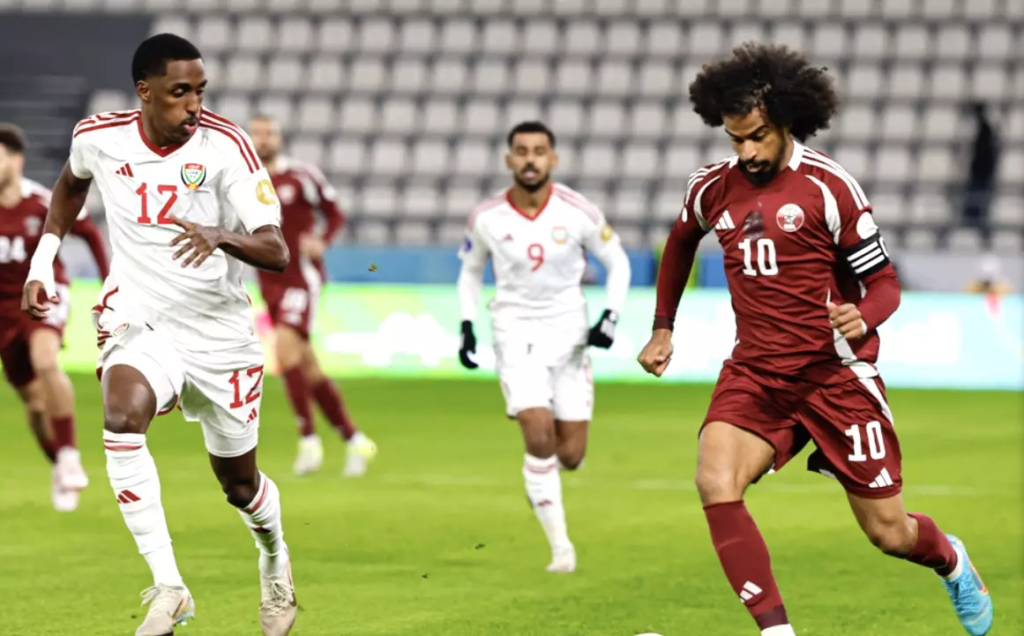
Rivalries are an essential part of football, and the Gulf Cup is no exception. Matches between neighboring nations often carry extra intensity, fueled by history, pride, and passionate support. Yet what sets the Arabian Gulf Cup apart is how these rivalries rarely spill into hostility.
The 26th edition demonstrated this balance beautifully. Fierce competition unfolded on the pitch, with players giving everything for their national colors. Off the pitch, however, there was mutual respect between players, coaching staff, and supporters. Fans traveled to host cities, mingled freely, and celebrated the shared festival atmosphere. This ability to compete fiercely while maintaining respect is one of the tournament’s greatest strengths.
Strengthening Regional Cooperation
Beyond the matches themselves, the Arabian Gulf Cup plays a crucial role in strengthening cooperation among Gulf football federations. Organizing a tournament of this scale requires close collaboration in areas such as scheduling, refereeing standards, logistics, and broadcasting.
Khaleeji Zain 26 highlighted how these cooperative efforts have matured over time. Officials from different countries worked together seamlessly, ensuring consistent officiating and smooth tournament operations. Such collaboration extends beyond football, reinforcing trust and communication between institutions across the region. In this way, the Gulf Cup contributes quietly but meaningfully to regional unity.
A Stage for Emerging Talent
For many players, the Arabian Gulf Cup serves as a defining moment in their careers. Young talents are given the opportunity to perform on a regional stage, facing high-pressure situations and passionate crowds. Established stars, meanwhile, use the tournament to cement their legacy and inspire the next generation.
The 26th edition saw several players emerge as household names across the Gulf, not just within their home countries. Their performances sparked conversations among fans, analysts, and scouts alike. This shared recognition of talent reinforces the idea that Gulf football is interconnected progress in one nation contributes to the overall strength of the region’s game.
Fans at the Heart of the Experience
No discussion of the Arabian Gulf Cup would be complete without acknowledging the fans. Their energy, loyalty, and emotion are the lifeblood of the tournament. Stadiums filled with chants, flags, and national colors create an atmosphere that is both electric and inclusive.
During Khaleeji Zain 26, strong stadium attendance reflected the enduring appeal of the competition. Families attended matches together, expatriates joined local supporters, and entire communities rallied around their teams. Even those unable to attend in person followed every match closely through television and digital platforms, creating a shared regional experience that extended far beyond the stadium walls.
Media and the Shared Narrative
Modern media has amplified the unifying power of the Gulf Cup. Television broadcasts, online streaming, and social media coverage ensure that every key moment is instantly shared across borders. This constant flow of content creates a collective narrative that fans experience together, regardless of location.
Highlights, interviews, and behind-the-scenes stories from the 26th edition helped humanize players and coaches, allowing fans to connect with personalities from rival teams. These stories foster empathy and understanding, reminding audiences that while teams compete, they all represent the same regional football family.
Cultural Pride and Identity
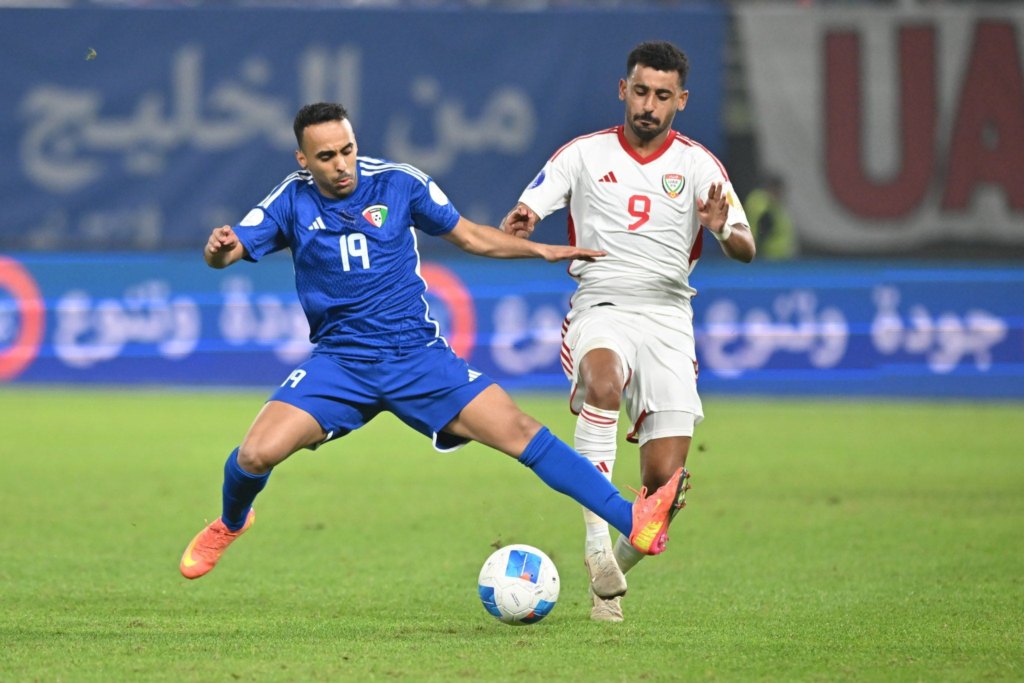
The Arabian Gulf Cup is as much a cultural celebration as it is a sporting event. Opening ceremonies, fan traditions, and local hospitality showcase the unique identity of the host nation while celebrating shared Gulf heritage. Music, food, and customs blend seamlessly with football, turning the tournament into a broader cultural festival.
Khaleeji Zain 26 reinforced this connection between sport and culture. The tournament became a platform for expressing regional pride, not in opposition to one another, but as part of a collective Gulf identity. This cultural dimension adds depth to the competition and strengthens its emotional resonance.
The Gulf Cup in a Changing Football Landscape
As global football continues to evolve, with increasing commercialization and international competitions, regional tournaments face new challenges. Yet the Arabian Gulf Cup has proven remarkably resilient. Its relevance is rooted not in global rankings or financial incentives, but in emotional connection and shared history.
The 26th edition demonstrated that even in a crowded football calendar, the Gulf Cup retains its unique appeal. Fans care deeply about the tournament because it reflects who they are and where they come from. This authenticity ensures its continued importance, even as the sport changes around it.
Looking Ahead: A Unifying Future
The enduring success of the Arabian Gulf Cup offers valuable lessons for the future of regional sport. By prioritizing unity, respect, and shared experience, the tournament has built a legacy that goes beyond results and trophies. Each edition strengthens the bonds between nations, reminding the region of what can be achieved through cooperation and mutual passion.
As future editions are planned, the challenge will be to preserve this spirit while embracing innovation and growth. If Khaleeji Zain 26 is any indication, the Gulf Cup is well-positioned to continue uniting the region through football for generations to come.
Conclusion: Football as a Bridge
Ultimately, the Arabian Gulf Cup endures because it speaks to something universal. It shows how football can act as a bridge between nations, cultures, and people. The 26th edition reaffirmed that despite rivalries and competition, the Gulf shares a deep love for the game and a collective pride in its regional identity.
In a world often divided by differences, the Arabian Gulf Cup stands as a reminder of what unites us. Through football, the region continues to celebrate its shared heritage, proving that the beautiful game is at its most powerful when it brings people together.
Do follow Gulf Magazine on Instagram.
Also Read – Bahrain Gulf Cup Triumph Showcases Rising Regional Football

