

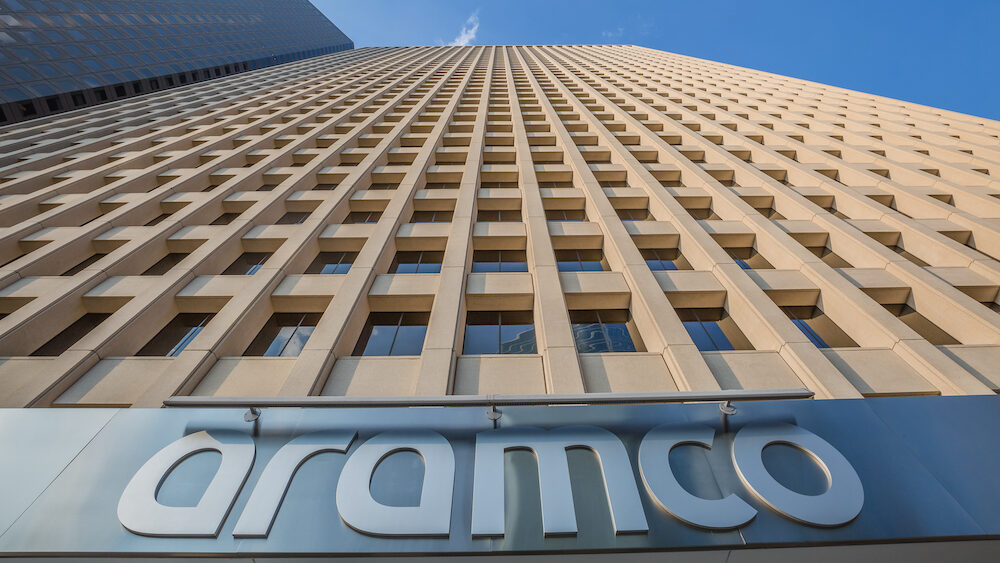
In a major development poised to reshape the global petrochemical landscape, Saudi Aramco and China’s Sinopec have announced a large-scale expansion of their joint venture—the Yanbu Aramco Sinopec Refining Company (YASREF). Located on the Red Sea coast in Yanbu, Saudi Arabia, YASREF currently serves as a key component of the Kingdom’s refining infrastructure. The new project, valued in the multi-billion dollar range, reflects not only a deepening partnership between two energy superpowers but also a strategic shift in global energy priorities—from crude oil exports to value-added chemical production.
Details of the Expansion
The newly unveiled expansion plan involves the construction of a mixed feed steam cracker capable of producing 1.8 million metric tons annually, alongside an aromatics complex designed to generate 1.5 million metric tons per year. These components are expected to significantly enhance the facility’s downstream production capacity, allowing it to process a broader range of feedstocks and produce a more diverse array of high-demand chemicals.
YASREF currently refines around 400,000 barrels per day (bpd) of Arabian heavy crude oil, producing gasoline, diesel, and other fuels. With Aramco holding a 62.5% stake and Sinopec the remaining 37.5%, the project has long symbolized a strong and stable collaboration between Saudi Arabia and China—nations that are increasingly aligning their economic visions.

Once complete, the expansion will transform YASREF from a fuel-producing refinery into an advanced integrated petrochemical complex, boosting production of essential industrial chemicals used in plastics, packaging, construction materials, and automotive manufacturing.
Strategic Implications
The decision to expand YASREF is not only a business move, but a calculated response to global energy trends. Saudi Arabia is actively seeking to future-proof its economy by shifting from its heavy reliance on crude oil exports to becoming a global powerhouse in refining and petrochemicals. This aligns with the goals of Vision 2030, the Kingdom’s long-term strategy to diversify its economy and foster sustainable growth.
One of Aramco’s key objectives is to convert up to 4 million barrels per day of crude oil into petrochemicals by the end of the decade. Petrochemical products often offer more stable pricing and higher profit margins than crude oil, particularly in a market increasingly shaped by renewable energy and emissions regulations.
For Sinopec, the deal bolsters its international presence and secures access to one of the world’s most important energy-producing regions. It also supports China’s ambition to build stronger energy and industrial partnerships along its Belt and Road Initiative—a strategy that stretches from Asia to Europe and Africa.
This expanded facility will also serve the growing demand for chemicals in Asia and globally, as economies recover and industrial output surges following recent global supply chain disruptions.
Broader Context and Past Collaborations
This latest initiative is part of a broader pattern of deepening ties between Aramco and Sinopec. In November 2024, the two firms, along with Fujian Petrochemical Company Limited, broke ground on an integrated refining and petrochemical complex in China’s Fujian province. That project includes a massive 16 million tons-per-year oil refining unit and a 1.5 million tons-per-year ethylene production facility.
Earlier, in December 2022, Aramco, Sinopec, and SABIC—another Saudi chemical giant—signed a memorandum of understanding to explore building a new petrochemical complex integrated with an existing refinery in Yanbu. These projects underscore a shared vision: to integrate refining and chemical operations to maximize efficiency, reduce costs, and build long-term resilience in an evolving global market.
The YASREF expansion also highlights the unique position Saudi Arabia holds in the global energy market—not just as a leading exporter of crude, but as a country actively shaping the next chapter in the industrial value chain.
Economic and Environmental Impact
From an economic standpoint, the YASREF expansion supports job creation, boosts local industry, and contributes to the development of Yanbu as a strategic industrial hub. As the petrochemical sector grows, it offers opportunities in logistics, engineering, technology services, and more—stimulating broader economic activity in the region.
Additionally, the project supports Saudi Arabia’s aim to develop downstream industries, produce export-ready chemical products, and reduce the country’s vulnerability to oil market volatility.
However, the expansion also comes with environmental responsibilities. The petrochemical industry is under growing scrutiny due to its role in plastic pollution and carbon emissions. Aramco and Sinopec are expected to address these concerns by implementing low-carbon technologies, improving energy efficiency, and potentially exploring carbon capture and storage (CCS) solutions.
There is also increasing global pressure for such projects to align with the Paris Agreement climate targets. As regulatory frameworks tighten, sustainable operations and cleaner feedstocks will become critical to ensuring long-term viability.
Geopolitical Significance
Beyond economics and industry, the YASREF expansion deepens the strategic bond between Saudi Arabia and China. It is a clear signal of their intent to strengthen bilateral ties in trade, infrastructure, and technology, particularly as geopolitical dynamics shift and nations seek new alliances beyond traditional Western-centric models.
Energy cooperation is central to this evolving relationship, with China being Saudi Arabia’s largest crude oil customer. By co-investing in complex infrastructure, both countries enhance their interdependence and fortify their roles in the global energy transition.
Conclusion
The expansion of the YASREF petrochemical plant represents a significant leap forward for both Saudi Aramco and Sinopec. It reflects a calculated response to the evolving dynamics of the energy sector and a commitment to building long-term, strategic industrial capabilities. As global energy demand shifts and new technologies emerge, such collaborations will play a central role in defining the future of petrochemicals and international energy relations.
By betting on integration, innovation, and global partnerships, Aramco and Sinopec are not just refining oil—they’re refining the future of energy.
Do follow gulf magazine on Instagram
for more information click here

