

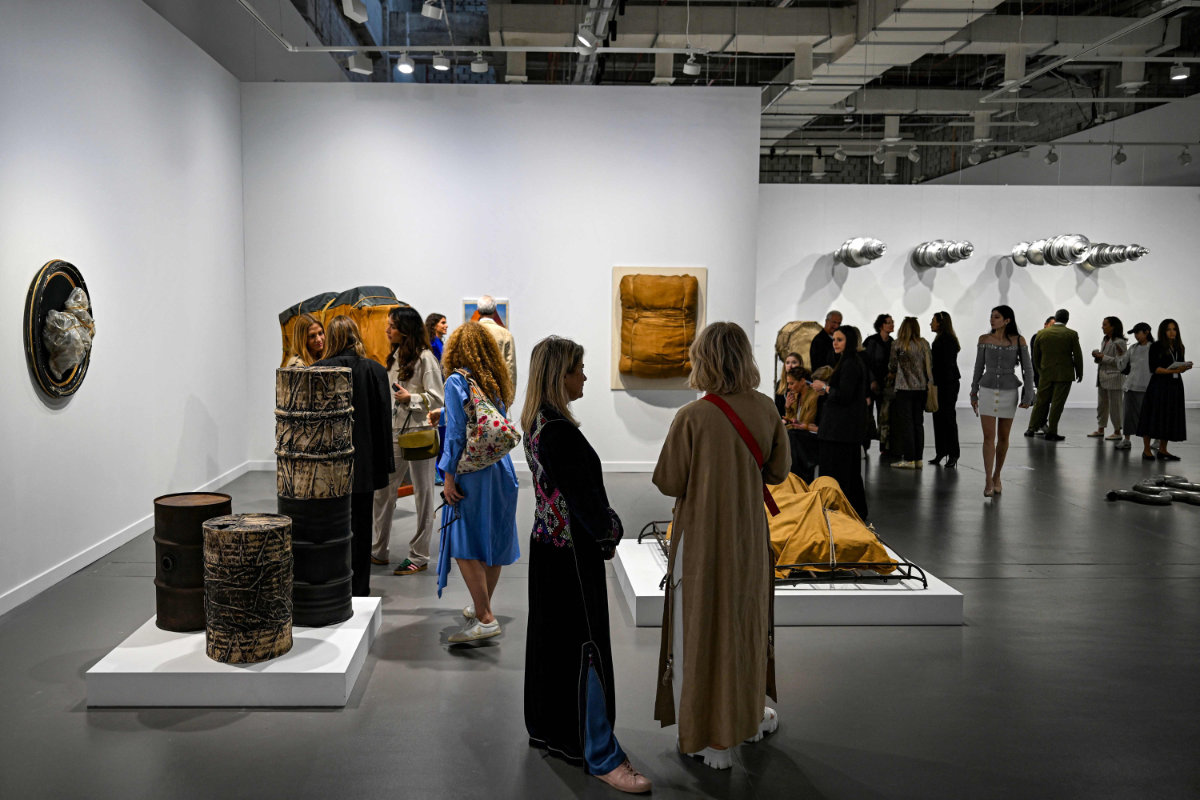
Art Market Gulf Shift defines the newest trend reshaping the global art world. As galleries in traditional art capitals struggle with a prolonged sales slump, many are looking toward the Gulf region for fresh opportunities. Cities like Dubai and Doha are rapidly becoming vibrant hubs for art dealers, collectors, and artists alike. This shift reflects deeper changes in global wealth, culture, and how art is bought and sold in the 21st century.
In this article, we unpack why the art market is moving toward the Gulf, what it means for galleries and artists, and how this trend might reshape the future of art. We’ll examine the economic forces behind this shift, the local Gulf investment in art infrastructure, and how both traditional and new audiences are responding.
Why the Art Market Gulf Shift Matters
The global art market has long been dominated by Western capitals—New York, London, Paris, and Hong Kong. These cities were centers of artistic innovation and commercial success for decades. However, in recent years, sales have slowed, especially at the high end of the market. Galleries face shrinking foot traffic, rising operational costs, and a generational shift in how art is collected.
At the same time, the Gulf region has invested heavily in culture. Massive museums, new art fairs, and generous patronage have made Gulf cities attractive destinations for both established and emerging galleries. The rise of wealthy collectors in the region has added fuel to this movement. As traditional markets lag, the Art Market Gulf Shift offers galleries a chance to survive—and thrive.
The Global Art Slump: What’s Happening?
To understand the Art Market Gulf Shift, we must first look at the slump plaguing galleries worldwide.
Declining Sales and Visitor Numbers
Over the past few years, major art markets have reported declining sales volumes. Auction houses have seen fewer record-breaking sales, and galleries report slower business from both local collectors and international visitors.
Several causes contribute to this downturn:
- Economic uncertainty: Global inflation, rising interest rates, and slower economic growth have tightened wallets everywhere.
- Changing collector demographics: Younger art buyers often prefer digital and experiential art over traditional works, affecting gallery sales.
- High costs in major cities: Rent, staffing, and operations in New York, London, and Paris are extremely expensive, squeezing smaller galleries.
The impact is profound. Galleries are now questioning the sustainability of operating in traditional art capitals without fresh sources of revenue and audience engagement.
Gulf Cities Emerge as New Cultural Hubs
While traditional markets slow, Gulf cities are rapidly building their cultural credentials. This is where the Art Market Gulf Shift gains traction.
Massive Investment in Art Infrastructure
Governments in the Gulf region have poured money into cultural projects, seeing art as a way to diversify their economies and enhance global reputation.
Examples include:
- World-class museums: Institutions like the Louvre Abu Dhabi and Qatar National Museum have put the region on the cultural map.
- Art fairs: Events such as Art Dubai and Abu Dhabi Art attract galleries and collectors from around the world.
- Private collections: Wealthy Gulf residents are building substantial private art collections, often funding exhibitions and supporting artists.
This investment has created infrastructure that rivals traditional art capitals, making the Gulf an appealing alternative for galleries looking for fresh markets.
Why Galleries Are Heading to the Gulf
The question is not only why the Gulf is rising, but why galleries are choosing to move there. Several key advantages help explain this trend.
Access to New Collectors
Gulf collectors represent a growing pool of buyers who are passionate about art and eager to build collections. Many have the financial capacity to compete with collectors from Europe, Asia, and North America.
This offers galleries a fresh audience with strong purchasing power—critical when older markets show slower growth.
Lower Costs and Strategic Support
Running a gallery in cities like Dubai or Doha can be more cost-effective than in New York or London. Governments often offer incentives like tax breaks, subsidized gallery space, and support for cultural initiatives.
For galleries operating on tight margins, these incentives can make a decisive difference.
Cultural Prestige and Exposure
Being part of a burgeoning art hub carries its own prestige. Galleries get exposure in a region hungry for artistic engagement, with year-round cultural programming and events that offer visibility to new audiences.
Artists and the Gulf Shift
The Art Market Gulf Shift isn’t only changing galleries—it’s affecting artists too.
New Opportunities for Artists
Artists now have more opportunities to showcase their work in Gulf galleries and institutions. Many regional museums and biennials actively seek international talent, providing platforms that were previously harder to access.
Artists are also engaging in cultural exchange programs, residency opportunities, and commissioned public works boosting their profiles.
Challenges for Artists
However, the shift is not without challenges:
- Cultural expectations: Artists must be sensitive to local cultural norms, which vary widely across the Gulf.
- Market competition: Established artists will still compete with rising stars in a market that is both new and highly competitive.
Despite these hurdles, many artists see the Gulf as fertile ground for expanding their careers.
Collector Perspectives: Why the Gulf Appeals
Collectors play a central role in shaping the art market. Their attitudes help explain why the Art Market Gulf Shift is gaining momentum.
Appetite for Modern and Contemporary Art
Gulf collectors have shown a strong interest in both modern and contemporary art. This demand encourages galleries to bring diverse works and represent artists from around the world.
Desire for Cultural Legacy
Many Gulf collectors see art as part of building cultural legacy. Beyond investment value, acquiring art is tied to national pride and the desire to cultivate local cultural identity.
Young Collector Influence
Millennial and Gen Z collectors in the Gulf are embracing digital art, immersive experiences, and new media. This aligns with broader shifts in the art world and encourages galleries to innovate.
What This Means for Traditional Art Capitals
The Art Market Gulf Shift does not mean that cities like New York or London will lose their cultural importance. Instead, the global art ecosystem is becoming more balanced and diversified.
Decentralization of Art Hubs
Rather than one or two dominant centers, the art world now has multiple influential hubs across different regions. This allows for greater diversity in artistic voices and collector engagement.
Healthy Competition
Competition among art cities can stimulate innovation. Traditional capitals may respond by enhancing support for galleries, investing in outreach, and creating more inclusive platforms for artists and buyers.
The Role of Technology in the Shift
Another factor supporting the Art Market Gulf Shift is technology. Digital platforms have made it easier for galleries to reach global audiences.
Online Sales Platforms
Virtual galleries and online marketplaces allow art buyers worldwide to view and purchase works without physically visiting exhibition spaces. This reduces reliance on foot traffic in traditional art districts.
Digital Art and NFTs
While controversial, digital art and NFTs have opened new markets that blend technology and creativity. The Gulf has shown interest in digital art innovation, further attracting galleries that explore these mediums.
Stories from the Ground
To bring this trend into sharper focus, let’s look at how galleries and artists are experiencing the Art Market Gulf Shift on the ground.
A Gallery Finds New Life in Dubai
One mid-sized European gallery struggling with stagnant sales in its home city made a bold choice to open a branch in Dubai. Within a year, this gallery reported increased sales and greater engagement with both local and international collectors.
The gallery director noted, “We found a vibrant audience in the Gulf that was eager to see new artists and invest in work that hadn’t sold as quickly back home.”
Artist Residency Sparks Success
An emerging artist participated in a residency program in Doha that culminated in a successful solo show. Local collectors snapped up several pieces, and the artist’s international reputation grew as a result.
“When I returned home, I had new confidence and global contacts I wouldn’t have made otherwise,” the artist said. “It changed my career.”
Challenges the Shift Must Overcome
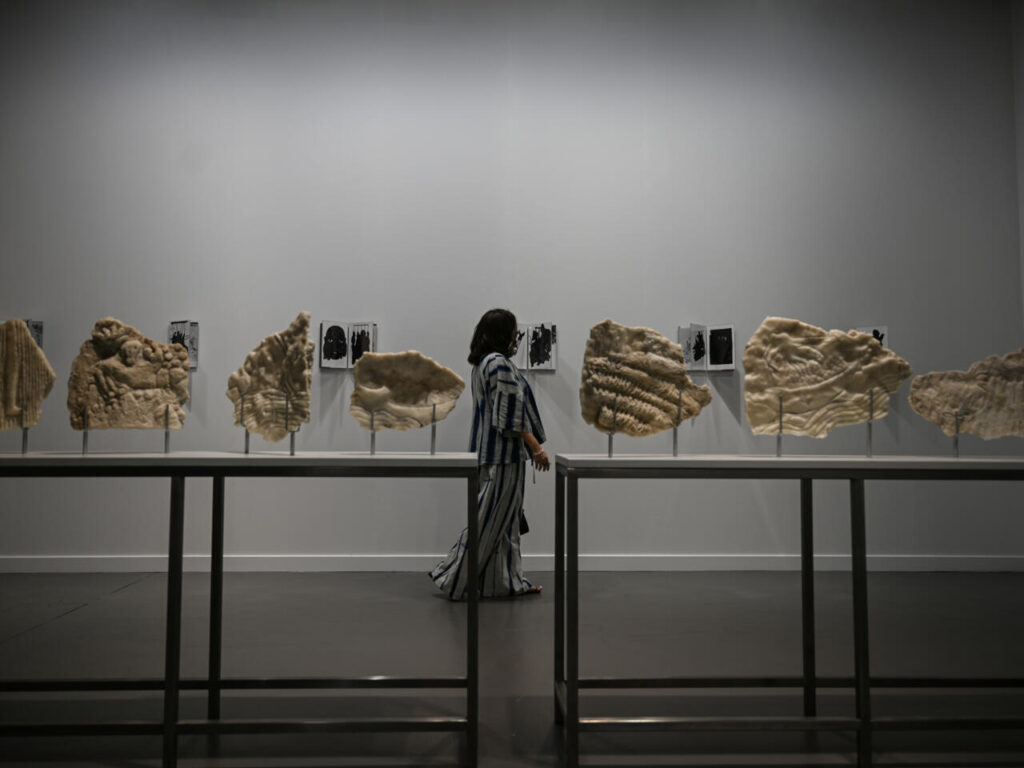
Despite the many opportunities, the Art Market Gulf Shift also faces challenges.
Cultural Sensitivities
Galleries must navigate cultural norms around content and representation, which vary from those in Western art markets. Sensitivity and respect for local traditions are essential.
Sustainability of Growth
Rapid growth could slow if economic conditions change. The Gulf’s reliance on oil wealth means art investment might fluctuate with broader economic tides.
Risk of Overdependence
Galleries relocating too quickly might become overdependent on one region. Diversified strategies remain important for long-term success.
What’s Next for the Art Market?
The Art Market Gulf Shift signals a broader transformation in how art is valued, collected, and experienced around the world. While traditional art capitals maintain their influence, the rise of new hubs in the Gulf region points to a more connected and dynamic global art world.
More Global Collaboration
We can expect increased collaboration between galleries, museums, and art fairs across continents. Cultural exchange will likely drive innovation in exhibitions and collections.
Growing Diversity in Art
A more global market means diverse artistic voices will gain visibility. Artists from underrepresented regions may find new opportunities and audiences.
A New Era for the Art Ecosystem
The art world is entering a new era—one that values flexibility, cultural exchange, and adaptation to shifting economic realities.
Conclusion: An Evolving Art World
The Art Market Gulf Shift is more than just galleries moving offices or hosting new shows. It represents a deep, evolving transformation in the global art landscape. As traditional markets face economic headwinds, the Gulf has emerged as a powerful contender, offering investment, innovation, and a rising audience for art.
This shift brings challenges, opportunities, and a promise of a more diversified and resilient art world. Galleries that embrace change, artists who adapt to new audiences, and collectors eager for fresh perspectives will all play a role in shaping the next chapter of global art.
What began as a response to a market slump may become a defining moment for the art world—a new canvas where creativity and commerce meet in exciting and unexpected ways.
Do follow Gulf Magazine on Instagram.
Also Read – Qatar’s Wealth Fund Shakes Up London HSBC Tower Plans

