


Formula 1 is finally back on track, and for fans, teams, and drivers alike, pre-season testing in Bahrain marks the true beginning of a new campaign. While the cars may not yet be racing wheel-to-wheel, these crucial days decide far more than lap times. Bahrain F1 pre-season testing week one offers the first real look at new cars, fresh driver lineups, technical innovations, and early performance trends that could shape the entire season.
For long-time followers, testing is a mix of excitement and mystery. For newer fans, it can feel confusing, with long runs, odd lap times, and hidden strategies. This guide breaks it all down in simple, human terms, covering where to watch, the full testing schedule, and what really matters during week one in Bahrain.
Why Bahrain Hosts F1 Pre-Season Testing
Bahrain has become Formula 1’s testing home for good reason. The circuit offers consistent weather, modern facilities, and a layout that challenges every aspect of a car. From slow corners to long straights, the Bahrain International Circuit allows teams to collect valuable data in conditions similar to many races on the calendar.
Another key factor is reliability. Unlike winter testing in colder regions, Bahrain’s climate reduces weather disruptions. That means teams can stick closely to their run plans, maximizing every minute on track. For fans, this also means more meaningful running and fewer washed-out sessions.
Full Schedule For Bahrain F1 Pre-Season Testing Week One
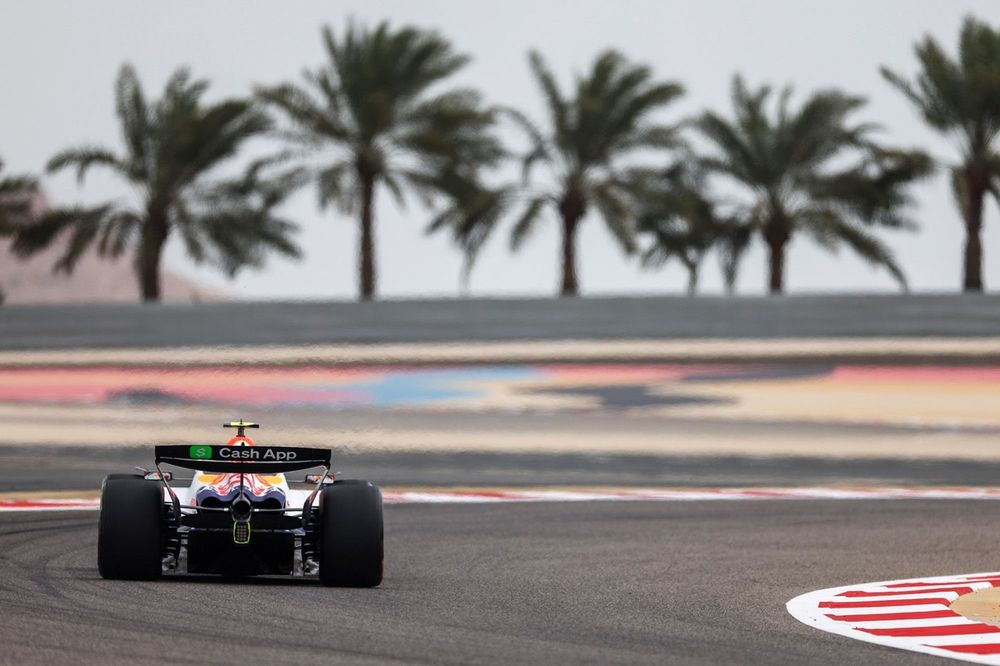
Pre-season testing runs across multiple days, with each day divided into two sessions. Teams carefully plan these sessions to test different setups, fuel loads, and tire compounds.
Daily Session Format
Each testing day is split into a morning session and an afternoon session. The break in between allows teams to reset cars, analyze data, and often switch drivers.
Morning sessions usually focus on system checks, baseline runs, and aerodynamic correlation work. Afternoon sessions are often longer and may include race simulations or performance runs.
How Teams Use The Schedule
Most teams rotate drivers across sessions, especially if they have rookies or new signings. One driver may handle mornings, while the other takes over in the afternoon. This approach ensures equal track time and helps engineers compare feedback.
Some teams dedicate an entire day to a single driver, especially if they are testing reliability or running long-distance simulations. There is no single right approach, which adds to the intrigue for fans watching from home.
Where To Watch Bahrain F1 Pre-Season Testing Live
Watching pre-season testing is easier than ever, though coverage varies by region.
Official F1 Broadcast Platforms
Formula 1’s official digital platforms provide live video coverage, timing screens, onboard footage, and expert commentary. This is the most comprehensive option, especially for fans who want access to data overlays, sector times, and technical insights.
Live coverage typically includes all sessions, along with post-session analysis and interviews with drivers and team representatives.
TV Broadcasters And Regional Access
In many regions, F1’s broadcast partners also show testing sessions or highlights. Availability can differ, so fans often combine TV coverage with live timing apps to stay fully informed.
For those unable to watch live, session replays and daily highlights are usually available, making it easy to catch up on key moments.
What Makes Pre-Season Testing So Important
At first glance, testing may look like cars simply circulating the track. In reality, every lap serves a purpose.
Reliability Comes First
The main priority during week one is reliability. Teams want to ensure that new components work as expected under real track conditions. Gearboxes, power units, cooling systems, and electronics are all under scrutiny.
If a car completes long runs without issues, it is a strong early sign. Frequent stops, slow laps, or garage time can indicate underlying problems, even if teams downplay them publicly.
Data Collection And Correlation
Modern F1 cars rely heavily on simulations. Testing allows teams to compare real-world data with wind tunnel and simulator predictions. When data matches expectations, confidence grows. When it doesn’t, engineers must react quickly.
This process, known as correlation, is one of the quiet battles of pre-season testing. Strong correlation can accelerate development throughout the year.
Understanding The New Cars
Every season brings design changes, whether visible or hidden beneath the bodywork. Testing reveals how these changes behave on track. Drivers experiment with balance, braking stability, and tire behavior, offering feedback that shapes early upgrades.
Lap Times: Why They Can Be Misleading
Fans naturally focus on lap times, but in testing, they rarely tell the full story.
Fuel Loads And Run Plans
One car may set a fast lap with low fuel and fresh tires, while another runs a heavy fuel load to simulate race conditions. Without knowing the fuel levels, comparing times becomes guesswork.
Teams also hide their true pace by running conservative engine modes. A car appearing slow may have much more performance in reserve.
Tire Compounds Matter
Different tire compounds can create large gaps in lap times. Softer tires offer more grip but degrade quickly, while harder tires are slower but more consistent.
When a team tops the timesheets, it often reflects their tire choice rather than outright superiority.
Drivers Under The Spotlight In Week One
Pre-season testing is especially important for certain drivers.
New Team Signings
Drivers who have switched teams use testing to adapt to new systems, steering wheels, and engineering cultures. Even experienced champions need time to feel comfortable in a new car.
Engineers closely monitor how quickly these drivers settle in, as strong early adaptation can boost a team’s confidence heading into the first race.
Rookies And Young Drivers
For rookies, Bahrain testing is a huge milestone. Managing long runs, providing clear feedback, and avoiding mistakes are all crucial. Teams are less concerned with outright speed and more focused on consistency and learning.
A calm, methodical approach often impresses more than flashy lap times.
Technical Talking Points To Watch
Testing week one often reveals early technical trends.
Innovative Designs
Sharp-eyed fans and analysts look for unusual bodywork features, new sidepod shapes, or revised floor designs. While not all innovations succeed, testing provides the first clue as to which ideas might work.
Some teams arrive with aggressive concepts, while others opt for safer evolutions of previous designs.
Cooling And Aerodynamics
Bahrain’s conditions test cooling systems heavily. Overheating issues can force teams to open up bodywork, affecting aerodynamic efficiency.
How teams manage this balance can hint at their overall design philosophy for the season.
How Teams Play The Mind Games
Pre-season testing is also about psychology.
Teams often downplay their performance or shift attention to rivals. Comments like “we still have work to do” or “others look very fast” are common, even when data suggests otherwise.
This strategic messaging keeps expectations in check and reduces pressure ahead of the first race.
What Fans Should Really Watch For
Instead of focusing solely on lap times, fans should pay attention to consistency and mileage.
Cars that run smoothly across multiple sessions, complete long runs, and avoid reliability issues are usually in a strong position. Clean testing weeks often translate into confident race weekends.
Listening to driver feedback can also be revealing. Positive comments about balance and drivability matter more than one fast lap.
How Week One Shapes The Rest Of Testing
Week one sets the foundation. Teams identify issues, confirm strengths, and decide where to focus development efforts.
Problems discovered early can still be fixed before the season opener. Issues found later are much harder to solve. That’s why every lap in Bahrain matters, even if it doesn’t grab headlines.
Final Thoughts On Bahrain F1 Pre-Season Testing Week One
Bahrain F1 pre-season testing week one is not about crowning champions or predicting final standings. It is about preparation, learning, and building confidence.
For fans, it offers a rare behind-the-scenes look at how Formula 1 teams work under pressure. It’s a time of hope, speculation, and renewed excitement.
As the cars roll out onto the Bahrain circuit, the long wait for racing action finally ends. The road to the first Grand Prix begins here, lap by lap, data point by data point, with every team chasing the same goal: starting the season ready to fight.
Do Follow Gulf Magazine on Instagram
Read More:- Cadillac’s Powerful Formula 1 Dream Begins With Stunning Bahrain Debut

