

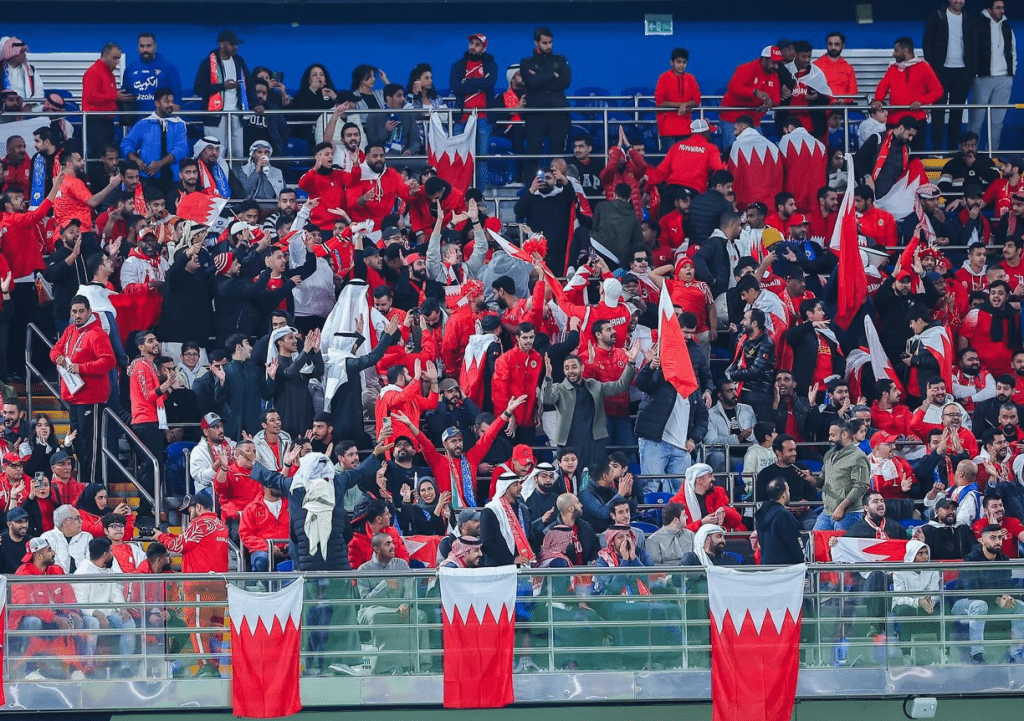
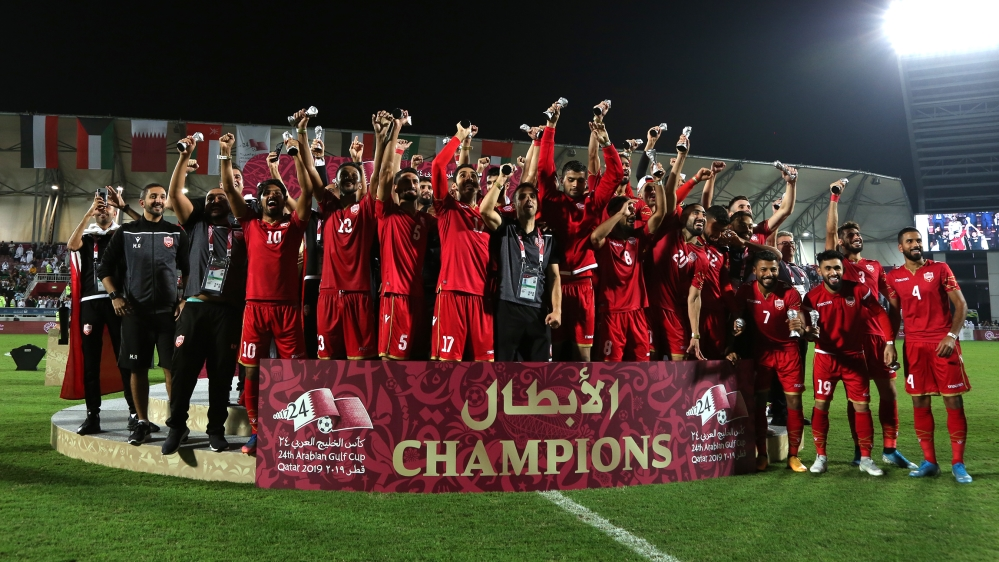
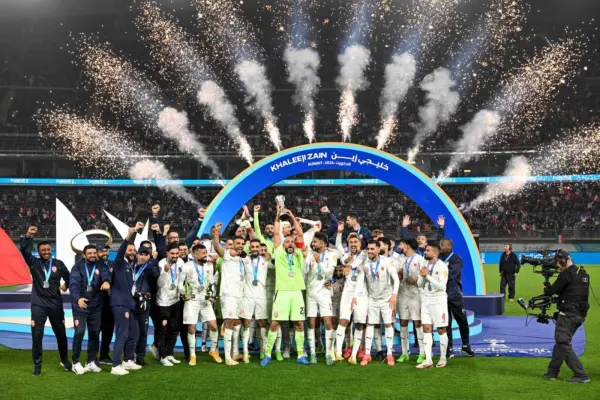
The 26th Arabian Gulf Cup, popularly known as Khaleeji Zain 26, concluded in early January with a final that perfectly captured the spirit of Gulf football. Bahrain’s 2–1 victory over Oman was more than just a scoreline; it was a reflection of how far regional football has evolved in terms of quality, competitiveness, and emotional depth. Played in front of passionate supporters and watched by millions across the region, the final delivered drama, intensity, and moments of genuine footballing excellence.
This edition of the Gulf Cup reaffirmed why the tournament holds a special place in the hearts of fans. With teams such as Kuwait, Qatar, Saudi Arabia, Oman, Bahrain, and others competing fiercely, every match felt meaningful. The narrow margins between teams underlined a key truth: Gulf football is no longer dominated by one or two nations, but defined by balance and unpredictability.
Bahrain’s Journey to the Title
Bahrain’s Gulf Cup triumph did not come by chance. Throughout the tournament, the team demonstrated tactical discipline, collective responsibility, and an ability to manage high-pressure situations. Their approach was not flashy for the sake of spectacle, but effective, structured, and mentally strong.
From the group stages to the knockout rounds, Bahrain showed consistency. Defensively, they were compact and well-organized, limiting space and frustrating opponents. In midfield, they balanced control with quick transitions, while in attack, they capitalized on key moments rather than relying on constant dominance. This efficiency proved decisive, especially in matches where fine margins made all the difference.
The final against Oman was a true test of character. Falling behind or facing sustained pressure did not shake Bahrain’s composure. Instead, the players responded with resilience and belief, qualities that ultimately carried them to the trophy.
Oman’s Fearless and Attacking Identity
While Bahrain lifted the cup, Oman emerged with immense credit. Their journey to the final was marked by bold attacking play and a willingness to take risks, even against traditionally strong opponents. Oman’s style brought energy and excitement to the tournament, making them one of the most entertaining teams to watch.
In the final, Oman’s attacking intent was clear from the opening minutes. Quick movement, overlapping runs, and confident passing unsettled Bahrain’s defense at times, contributing to a fast-paced and engaging contest. Although the result did not go their way, Oman’s performance reinforced their status as a serious force in Gulf football.
More importantly, Oman’s approach highlighted a broader trend in the region: teams are increasingly prioritizing identity and proactive football, rather than relying solely on caution or physicality.
A Final That Captured the Gulf Cup Spirit
The Gulf Cup final delivered everything fans hoped for. High tempo, technical quality, tactical adjustments, and emotional moments combined to create a memorable spectacle. Both Bahrain and Oman played with intensity, reflecting the pride associated with representing one’s nation in this historic tournament.
The atmosphere in the stadium and across the region was electric. Supporters from different Gulf countries followed the match closely, engaging in discussions, celebrations, and debates that extended well beyond the final whistle. This shared passion is one of the Gulf Cup’s greatest strengths, uniting diverse nations through football.
The match also demonstrated how far player development has come. Individual skill levels, fitness standards, and tactical awareness were noticeably higher, contributing to a final that felt modern, competitive, and globally relevant.
Rising Competitiveness Across the Gulf
One of the most significant takeaways from Khaleeji Zain 26 was the overall competitiveness of the tournament. No team could afford complacency, and traditional hierarchies were frequently challenged. Matches were often decided by a single goal, a late moment of brilliance, or a tactical tweak.
Teams like Kuwait, Qatar, and Saudi Arabia all showed moments of quality, while also facing strong resistance from opponents. This balance reflects years of investment in domestic leagues, youth academies, and coaching infrastructure across the Gulf. As a result, the gap between teams has narrowed, making every edition of the Gulf Cup more unpredictable and exciting.
For fans, this competitiveness enhances engagement. For players, it raises standards. And for the region as a whole, it strengthens football’s role as a unifying and aspirational sport.
A Platform for Emerging Talent
Beyond the immediate excitement, the Gulf Cup continues to serve as a crucial platform for emerging players. Young talents often use this stage to announce themselves, gaining valuable experience in high-pressure international matches. Khaleeji Zain 26 was no exception, with several players delivering performances that caught the attention of fans and analysts alike.
These tournaments help bridge the gap between domestic football and larger continental competitions. Players learn to handle intense atmospheres, adapt to different tactical systems, and perform under scrutiny. For coaches and national teams, the Gulf Cup offers insights into squad depth and future leadership options.
Bahrain’s success, in particular, highlighted the importance of blending experienced players with younger energy. This balance not only brings immediate results but also ensures continuity for future campaigns.
Preparing for Continental and Global Challenges
The importance of the Gulf Cup extends well beyond regional bragging rights. For many teams, it acts as preparation for Asian competitions and, ultimately, the global stage. The intensity and competitiveness mirror the demands of continental tournaments, making the Gulf Cup an invaluable testing ground.
Bahrain’s Gulf Cup triumph will boost confidence as they look ahead to future challenges. Winning under pressure reinforces belief within the squad and strengthens the bond between players and supporters. For Oman and other participants, the lessons learned will shape tactical adjustments and squad development moving forward.
As Gulf nations continue to set higher ambitions in Asian football, tournaments like Khaleeji Zain 26 play a vital role in building consistency and mental toughness.
The Emotional Connection with Fans
Football in the Gulf is deeply emotional, and the Gulf Cup embodies this connection like no other tournament. Families, friends, and communities come together to support their teams, creating memories that last far beyond the final result. Bahrain’s victory sparked celebrations that reflected national pride and collective joy.
Social media, public gatherings, and live screenings amplified the experience, allowing fans across borders to share in the excitement. Even rivalries were marked by mutual respect, reinforcing the idea that the Gulf Cup is as much about unity as competition.
This emotional bond strengthens the sport’s cultural significance and inspires younger generations to engage with football, whether as players, supporters, or future professionals.
A Bright Future for Gulf Football
Bahrain’s Gulf Cup triumph is symbolic of a broader transformation taking place in regional football. Improved infrastructure, better coaching education, and growing professional standards are reshaping the game across the Gulf. The result is football that is faster, smarter, and more competitive than ever before.
Khaleeji Zain 26 showcased this progress in every match, culminating in a final that reflected both quality and character. As teams continue to evolve, future editions of the Gulf Cup promise even greater excitement and higher standards.
For Bahrain, this victory will be remembered as a moment of pride and progress. For the region, it stands as a reminder that Gulf football is on an upward trajectory, driven by passion, ambition, and an ever-growing love for the beautiful game.
Do follow Gulf Magazine on Instagram.
Also Read – Why the 2026 Asian Handball Championship Truly Matters

