

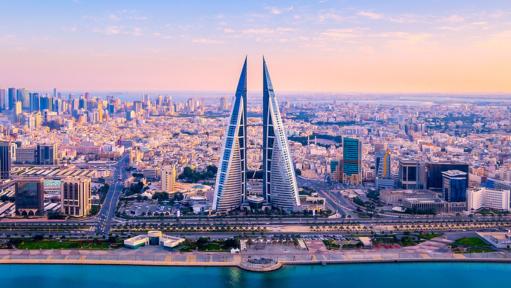
Bahrain has officially announced a major change in its tax structure. The Kingdom has introduced a 15% Domestic Minimum Top-Up Tax (DMTT), marking a significant shift in its financial and economic policy. This new tax will apply to large multinational enterprises (MNEs) operating in Bahrain, and it will come into effect from January 1, 2025.
This move brings Bahrain in line with a global effort led by the Organisation for Economic Co-operation and Development (OECD) to ensure that large multinational companies pay a fair share of tax, regardless of where they are based.
Who Will Be Affected by This Tax?
The 15% tax will only apply to very large multinational companies. Specifically, it targets MNEs that have annual global revenues exceeding €750 million (around USD 800 million) in at least two out of the previous four fiscal years.
Importantly, this tax will be collected from the Bahraini subsidiaries or constituent entities of these multinational groups. Smaller local businesses, startups, or companies that do not meet the revenue threshold will not be affected.
There are also specific exemptions in place. Government bodies, non-profit organizations, pension funds, and some investment and real estate funds are not required to pay this tax, provided they meet the conditions outlined in the legislation.
Why Is Bahrain Doing This Now?
This change is part of Bahrain’s alignment with the OECD’s Base Erosion and Profit Shifting (BEPS) 2.0 framework, particularly Pillar Two, which seeks to set a global minimum tax rate of 15%. The aim is to stop large corporations from shifting their profits to countries with little or no tax just to reduce their overall tax burden.
Bahrain, which previously had a reputation for being a tax-free or low-tax environment, is taking a proactive step to remain internationally competitive and avoid being labeled a tax haven. By implementing this tax locally, Bahrain retains more control over where and how these taxes are collected, rather than letting other countries claim the top-up tax from these multinationals.
How Will the Tax Be Calculated?
The DMTT is based on financial net income reported in line with international accounting standards. From this, certain adjustments will be made as per the rules outlined by the Bahraini government.
If the total taxes paid by a company in Bahrain fall below the 15% minimum, the difference—or “top-up”—will be collected through this new tax. This means Bahrain will essentially “top up” the taxes paid by these companies to reach the global minimum rate of 15%.
Steps Multinational Companies Must Take
Multinationals falling under the scope of this new law will need to register with Bahrain’s National Bureau for Revenue (NBR). The registration deadline is December 31, 2025, for companies that already meet the revenue threshold. If a company crosses the threshold in a future year, it will need to register within 120 days of the beginning of that fiscal year.
Affected companies must also follow transfer pricing rules. This means they must ensure that all financial transactions between related companies—like parent companies and subsidiaries—are conducted on an arm’s-length basis, meaning they should be priced as if they were dealing with an unrelated third party.
Companies will also need to prepare and maintain detailed documentation about their global financial structure and operations. This includes a Master File and Local File under the transfer pricing requirements. These documents help tax authorities understand the company’s structure and ensure they are not shifting profits to avoid taxes.
What This Means for Bahrain’s Economy
This move is part of a wider trend in the Gulf region. Bahrain joins countries like the United Arab Emirates, which introduced a 9% corporate income tax in 2023, and Saudi Arabia, which raised its value-added tax (VAT) to 15% in 2020.
By introducing this tax, Bahrain aims to attract responsible global businesses that are committed to transparency and fairness. The law also strengthens Bahrain’s position on the global stage, showing that it is ready to align with international standards while continuing to support economic growth.
This could also bring in additional government revenue, which can be invested in infrastructure, public services, and future development projects, all without increasing the tax burden on individuals or small businesses.
Challenges Ahead
While the move has been largely welcomed by international observers and financial analysts, there are still concerns about how quickly businesses will be able to adapt. For companies used to Bahrain’s historically low-tax environment, this represents a big change.

Businesses will need to invest in new systems, seek tax advice, and train staff to ensure compliance with the new rules. However, the long-term benefits could outweigh the short-term challenges, especially as the global tax environment continues to evolve.
Looking Forward
Bahrain’s introduction of the 15% Domestic Minimum Top-Up Tax is a strategic and forward-thinking step. It reinforces the country’s commitment to being a transparent, competitive, and well-regulated economy.
Large multinational enterprises operating in Bahrain now have until the end of 2025 to review their operations and ensure they are fully compliant. For many, this will mean not just paying more tax—but becoming more transparent and accountable in the process.

