

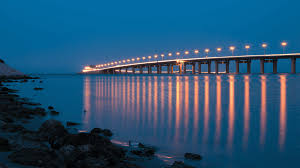
The Bahrain Saudi ferry link is poised to open a new chapter in Gulf transport and regional integration. This passenger and cargo sea route will connect Bahrain’s Khalifa bin Salman Port with Saudi Arabia’s King Abdulaziz Port in Dammam. It marks a bold step toward diversifying travel and trade options between the two nations.
For decades, traffic between Bahrain and Saudi Arabia has largely relied on the King Fahd Causeway. But growing demand, congestion, and changing economic ambitions have pushed both kingdoms to explore alternative routes. The ferry link is not just about transport — it carries symbolic weight, signaling deeper cooperation and a vision for seamless Gulf travel.
In this article, we explore what is known so far about the Bahrain Saudi ferry link, its features, expected impact, challenges ahead, and what travelers and businesses can expect when it launches.
Why a Ferry Link? The Context Behind the Move
Saudi Arabia and Bahrain already share one of the Gulf’s most iconic infrastructure pieces: the King Fahd Causeway, which spans about 25 kilometers. It has been the primary land link since 1986. While the causeway has enabled massive flows of traffic, it also faces limits. Traffic surges during holidays, business travel, and tourism seasons lead to congestion, longer waits, and strain on road infrastructure.
The idea of a marine link has circulated for years. Now, with rising demand and regional integration agendas (including the GCC railway vision), the ferry project has found renewed urgency.
Officials see this as a complementary route that can:
- Ease pressure on the causeway
- Offer a scenic and flexible alternative to road travel
- Support cargo transport for goods and trade
- Strengthen tourism, cross-border visits, and business exchange
- Tie into longer-term plans like the King Hamad Causeway and Gulf Railway
Thus, the Bahrain Saudi ferry link is not a replacement, but a strategic addition to Gulf mobility networks.

What We Know: Route, Features, and Operations
Route and Ports
The ferry will sail between Khalifa bin Salman Port in Bahrain and King Abdulaziz Port in Dammam, Saudi Arabia. This stretch of water crosses a portion of the Arabian Gulf, offering a direct sea path between eastern Saudi Arabia and Bahrain’s main port.
Passengers and Vehicle Transport
The service aims to carry both passengers and vehicles. That means individuals without vehicles can purchase passenger tickets, while those traveling with cars or light cargo can use roll-on/roll-off (RoRo) capabilities. This flexibility is key: families, traders, commuters — all may benefit.
Estimated Time and Logistics
While official details are not yet fully confirmed, projections suggest the crossing could take around two hours under favorable sea conditions. The schedule, tariff, vessel types, and frequency will be announced closer to launch. Customs, immigration, safety, and port facilities must be in place on both sides.
Safety, Standards, and Comfort
Officials emphasize that the ferry link will adhere to international maritime safety standards. Passenger decks are expected to offer climate control, seating, restrooms, and basic amenities. Vehicle decks will incorporate secure loading and unloading systems.
Integration with Other Projects
The ferry will sit alongside ambitions for the King Hamad Causeway, which would run parallel to the existing causeway, carrying rail, freight, and vehicles. In a broader sense, the ferry link complements the Gulf Cooperative Council (GCC) Railway plan, which envisions a rail network connecting all Gulf nations.
When all these pieces align, traveling between Gulf capitals may shift from road-only options to a mix of road, rail, and sea routes.
Potential Benefits: What the Ferry Link Brings
Easier Travel and Reduced Congestion
One of the biggest advantages of the Bahrain Saudi ferry link is relief. Weekend travelers, tourists, and daily commuters often face long delays at the causeway. The ferry offers an alternative route — helping to reduce windows of high congestion.
Economic and Trade Gains
For cargo transport, a sea route can offer lower cost, flexible scheduling, and less wear on road infrastructure. Light goods that do not require high-speed delivery may find sea freight via ferry more efficient. Small businesses, cross-border trade, and logistics operators stand to benefit.
Tourism and Cultural Exchange
The ferry opens new possibilities for day trips, weekend getaways, and tourism packages across both countries. A journey by sea can be more relaxed and attractive, drawing visitors who prefer scenic options over long drives. Cultural exchange may deepen as people move more freely between nations.
Regional Integration and Strategic Vision
This project is a visible symbol of growing Gulf unity. It reflects long-term ambitions of seamless transport, shared infrastructure, and economic zones. The ferry link can act as a bridge not just in physical terms, but in diplomatic and collaborative energy.
Challenges and Considerations Ahead
No major infrastructure project is without challenges. For the Bahrain Saudi ferry link, some key hurdles include:
Regulatory, Customs, and Immigration Setup
To operate smoothly, both countries must coordinate customs, immigration, port authority procedures, security checks, and cross-border protocols. Delays or lack of alignment may discourage use.
Vessel Investment and Operational Costs
Purchasing and operating modern ferry vessels is capital intensive. Maintenance, fuel, crew training, and insurance also weigh on costs. Financial sustainability will depend on demand, pricing, and efficient operation.
Weather and Sea Conditions
Maritime routes are vulnerable to sea conditions, storms, rough weather, and maritime traffic. Route safety planning, navigational aids, and contingency planning are essential.
Competition with Causeway and Alternative Modes
The causeway will remain dominant for many. To compete, the ferry must price itself attractively and provide convenience. Travelers may default to familiar land travel unless the ferry offers clear advantages.
Scaling and Demand Uncertainty
At launch, demand may fluctuate. If ridership is low, it may take time to reach full utilization. Marketing, pricing strategy, and service reliability will matter a lot in the early phase.
What Travelers and Businesses Should Watch For
As the Bahrain Saudi ferry link moves toward launch, here are things to monitor:
- Announcement of official launch date and frequency of sailings
- Ticket pricing (for passengers and vehicles)
- Scheduling — daily, multiple trips per day, or limited slots
- Booking systems, online portals, and ease of access
- Customs and immigration processes at port terminals
- Promotions or introductory offers
- Vessel capacity, comfort, and reliability
- Safety certifications and maritime standards
- How quickly operations scale and meet demand
Once details are published, travelers should compare time, cost, and convenience versus using the causeway. For many, the ferry may become a preferred choice.
Longer View: How the Ferry Aligns with Gulf’s Transport Future
The Bahrain Saudi ferry link is not just a local project — it fits into a wider Gulf narrative. The push to create a GCC Railway network, linking Saudi Arabia, Bahrain, Kuwait, UAE, Qatar, and Oman, underscores this. Sea, land, and rail modes will likely mesh together.
The proposed King Hamad Causeway will run parallel to the existing causeway, allowing freight, rail, and vehicle connections. Together, the ferry route and causeway projects create multi-modal redundancy and flexibility, making Gulf travel resilient and dynamic.
In the years ahead, one might imagine a traveler leaving Riyadh by train to Dammam, boarding a ferry to Bahrain, and continuing onward by rail or land to other Gulf states — all within an integrated system.
Final Thoughts
The launch of the Bahrain Saudi ferry link promises more than just a new sea route. It represents a vision of strengthened Gulf connectivity, modern infrastructure, and deeper unity.
While challenges remain — logistics, regulatory alignment, demand, and operations — the potential benefits in travel convenience, trade, tourism, and strategic integration are significant. For travelers, it provides a fresh alternative. For nations, it signals ambition and cooperation.
When the first ferry departs, it will carry not only passengers and vehicles — but also hopes and signals of a more interconnected Gulf future.
Do follow us: Instagram
Read More: Qatar’s National Sports Day 2025: A Celebration of Fitness and Unity

