

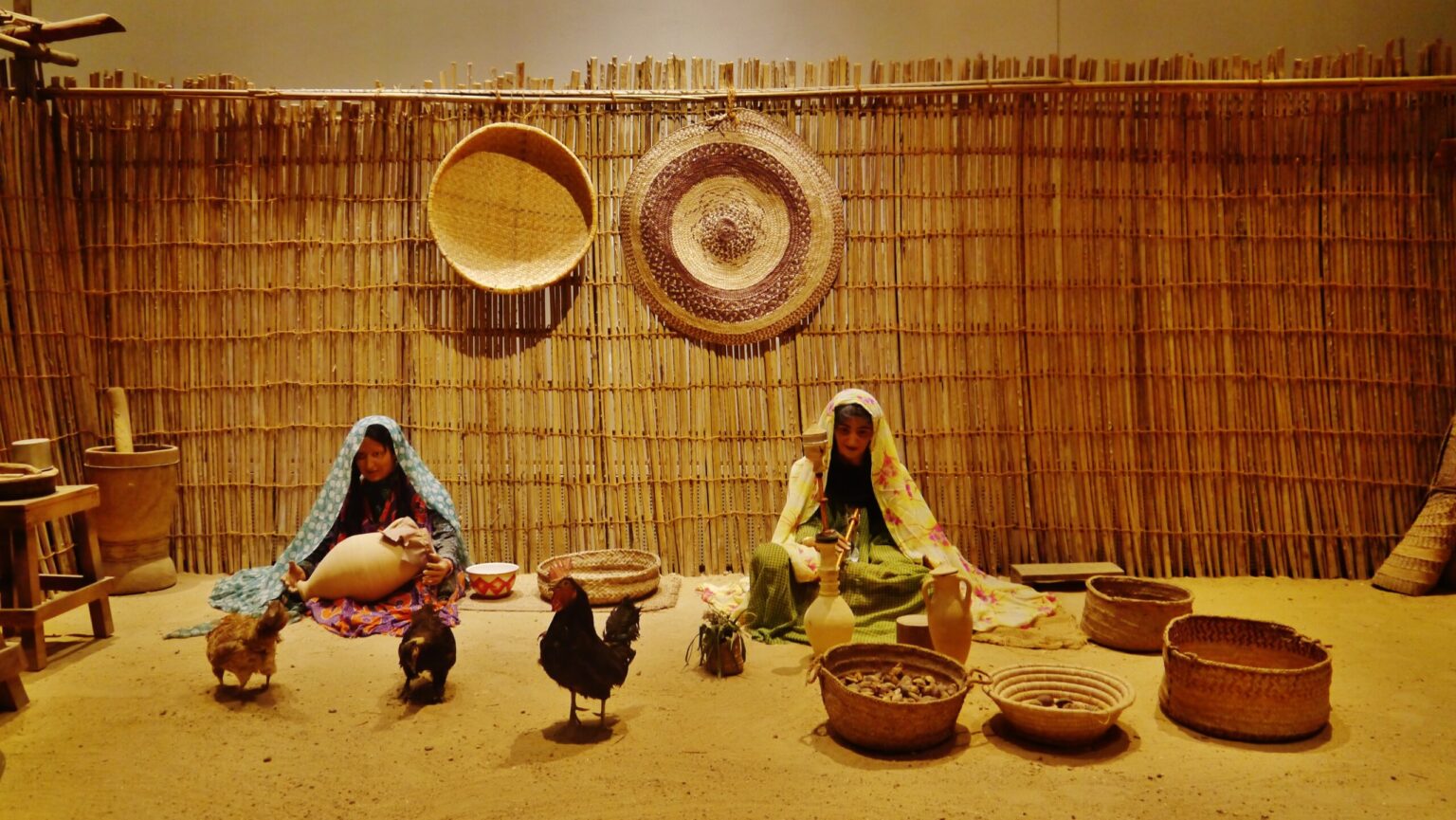
Bahrain traditional crafts are experiencing a vibrant revival as the kingdom embraces artist residencies to connect heritage with modern creativity. Known for its centuries-old artisanal traditions in weaving, pottery, jewelry-making, and boatbuilding, Bahrain is ensuring these skills not only survive but also flourish in a rapidly changing world. By supporting local artisans and inviting international artists, the program is creating a cultural bridge that protects heritage while encouraging innovation.
A Heritage Worth Preserving
Bahrain has always been proud of its deep cultural roots. Long before oil reshaped its economy, the island was a hub of pearl diving, palm weaving, textile production, and copper crafts. These trades defined communities, supported families, and became symbols of Bahraini identity. Yet, like many traditional skills around the world, they faced decline with modernization.
Young generations, drawn toward digital careers and global industries, often turned away from crafts that their grandparents practiced. Without interventions, there was a real risk that weaving techniques, ceramic designs, and dhow-making traditions would be lost forever. Recognizing this, Bahrain began placing cultural preservation at the heart of its creative economy plans.
Artist Residencies: A Modern Solution to an Ancient Problem
The artist residency model has become a powerful way to revive Bahrain traditional crafts. These residencies bring together local artisans, contemporary designers, and international creators. The exchange of skills and ideas allows traditions to evolve without losing authenticity.
During a residency, artisans open their workshops to younger generations and visiting artists. Here, the craft is not just taught as a technique but celebrated as a cultural story. A weaving loom becomes more than a tool; it transforms into a symbol of identity and memory. International artists, in turn, experiment with traditional Bahraini methods, often merging them with global art trends such as sustainable design, contemporary fashion, and modern installations.
The result is a rich tapestry of old and new—where palm weaving might inspire furniture design, or pottery techniques reappear in cutting-edge sculptures.
Linking Heritage and Innovation
What makes Bahrain’s initiative stand out is its emphasis on innovation. Rather than freezing crafts in the past, residencies explore how they can adapt to modern life.
For instance, traditional Sadu weaving, once used mainly for tents and carpets, is being reimagined in fashion accessories, home décor, and even digital art. Pottery techniques, passed down through villages like A’ali, now inspire both functional ceramics and avant-garde art pieces displayed in galleries. Jewelry artisans blend Bahraini pearls and motifs with contemporary goldsmithing, appealing to both local buyers and international collectors.
By making crafts relevant in today’s markets, Bahrain ensures they are not just preserved in museums but actively practiced and profitable.
Empowering Local Artisans
For many artisans, participation in residencies provides more than creative exposure—it offers economic empowerment. Craftspeople often struggle with limited market access and lack of recognition. Through residencies, their skills are highlighted, their products gain visibility, and they connect with buyers, curators, and cultural institutions.
Workshops, public talks, and exhibitions held during residencies allow artisans to showcase their work to new audiences. Young Bahrainis attending these events see that their cultural heritage has value, both emotionally and economically. Some even begin to apprentice under master craftspeople, ensuring the continuity of traditions.
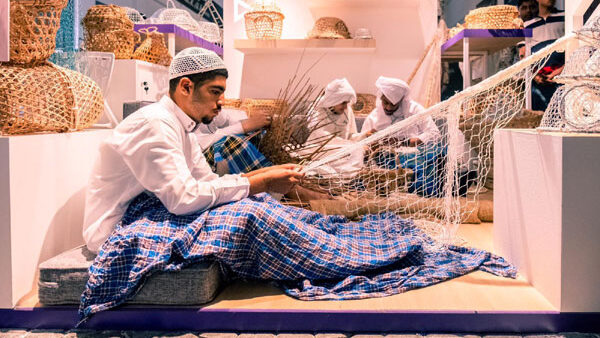
Women, in particular, benefit from these programs. Many Bahraini craft traditions, such as basket weaving and textile production, have historically been led by women. The residencies provide them with new platforms to expand their reach and participate in the cultural economy on a larger scale.
International Collaboration and Cultural Diplomacy
Another unique aspect of Bahrain’s residency programs is international collaboration. By inviting artists from across the world, Bahrain positions itself as a hub of cultural diplomacy. Visiting artists bring fresh ideas, while local artisans share knowledge rooted in centuries of practice.
This cross-pollination creates a powerful narrative: traditional crafts are not static relics but living practices that can inspire global creativity. Collaborative projects often travel beyond Bahrain, showcased in exhibitions abroad. This strengthens Bahrain’s image as both a guardian of heritage and a pioneer in creative innovation.
Sustainable Development Through Culture
Reviving Bahrain traditional crafts is not just about culture—it also connects to sustainability. Many traditional practices are inherently eco-friendly. Palm weaving uses natural fibers, pottery relies on clay and local kilns, and boatbuilding involves wood and time-tested methods.
By supporting these crafts, Bahrain also promotes environmentally conscious lifestyles. Residency programs often highlight the sustainability aspect, encouraging young designers to embrace natural materials and reduce reliance on mass-produced, synthetic goods.
This aligns with Bahrain’s broader goals of diversifying its economy and promoting sustainable development. Crafts, once seen as outdated, now play a role in building a greener, more resilient future.
Public Engagement and Education
A key success factor for these initiatives is public involvement. Bahrain ensures that residencies do not remain hidden in studios but engage the community through festivals, markets, and interactive exhibitions. Schools collaborate with artisans to introduce students to weaving, pottery, and jewelry-making. Families attend craft fairs where they witness traditional skills revived in real time.
This approach makes heritage a living experience rather than a distant concept. When a child watches a potter mold clay or a weaver create colorful patterns, they form a personal connection with their roots.
The Road Ahead
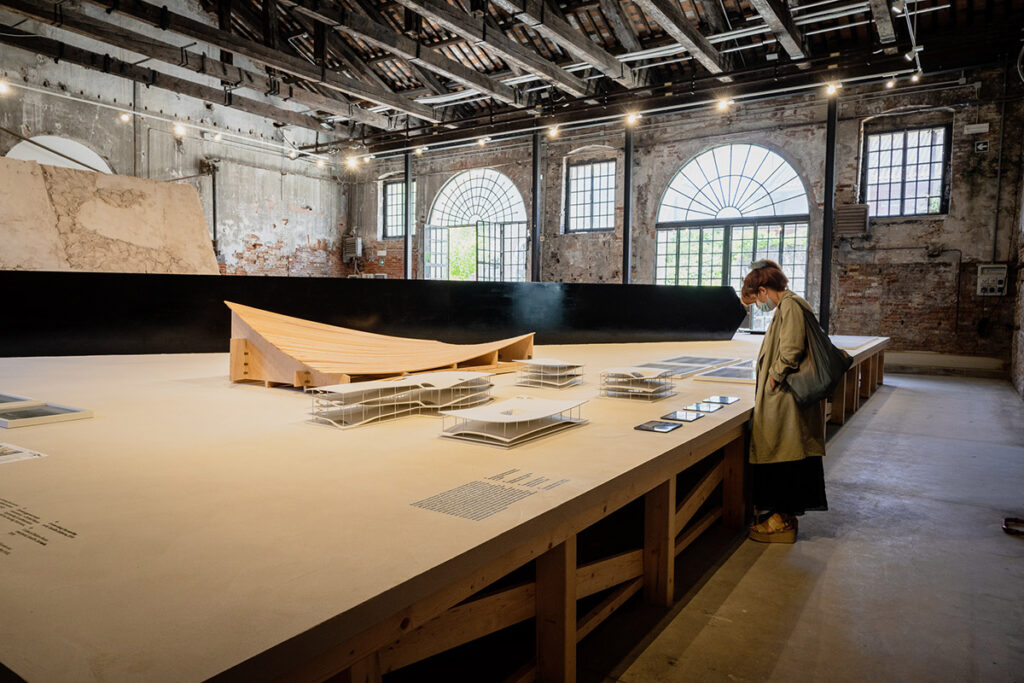
Bahrain’s revival of traditional crafts through artist residencies is still evolving. Future plans include expanding residencies to cover more crafts, building permanent creative hubs, and enhancing digital platforms to showcase Bahraini artisans globally. Online marketplaces and virtual workshops are being developed to connect craftspeople with wider audiences, ensuring sustainability in the digital era.
The ultimate goal is clear: to make Bahraini crafts a source of pride, identity, and livelihood for generations to come. The kingdom is showing that tradition and modernity can walk hand in hand, shaping a cultural economy that is both innovative and deeply rooted in heritage.
Conclusion
Bahrain traditional crafts are finding new life through artist residencies that combine preservation with innovation. By empowering artisans, engaging the public, and connecting with international artists, Bahrain has created a model that other nations can learn from.
The story of this revival is not just about keeping traditions alive—it is about transforming them into tools for creativity, sustainability, and cultural pride. Bahrain has shown that when heritage meets imagination, the result is a future where crafts are not only remembered but celebrated as essential parts of daily life.
Also read: Oman Green Hydrogen Investment Accelerates Under Vision 2040

