

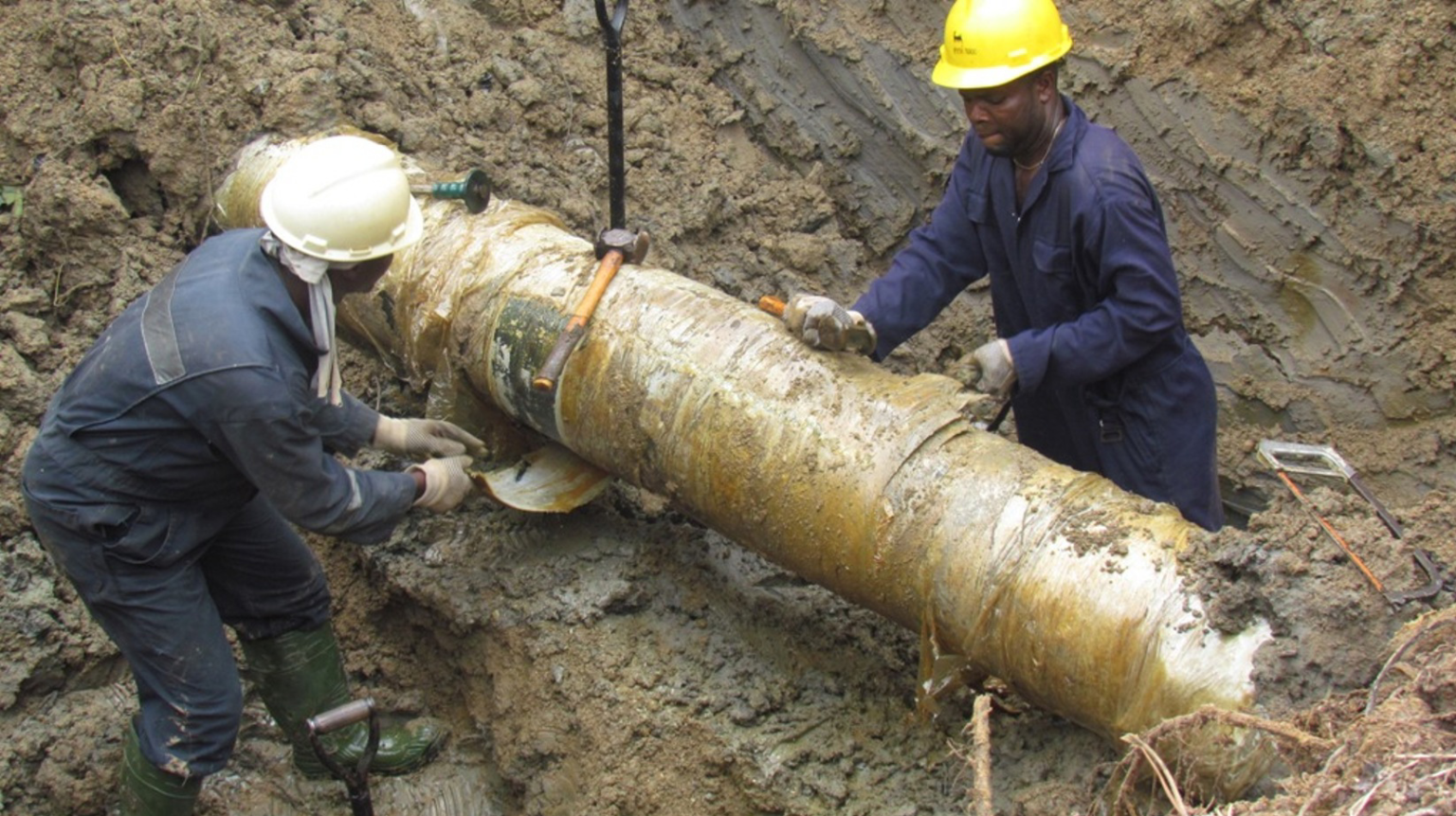
Egypt-based engineering and construction firm PETROJET has clinched a major contract worth $273 million to build a 193-kilometre natural gas pipeline in Oman. The deal — awarded by OQ Gas Networks (OQGN), the sole operator of Oman’s gas transmission network tasks PETROJET with the full EPC (Engineering, Procurement, Construction) scope for the 42-inch loop line connecting Fahud to Sohar (also spelled Suhar).
This pipeline forms part of Oman’s broader drive to strengthen gas supply infrastructure for its expanding industrial and energy sectors. The project’s execution is slated for completion within 24 months.
Why It Matters — For Oman and PETROJET
The Fahud–Sohar pipeline marks a major upgrade to Oman’s gas network. Once operational, it will supply natural gas to the industrial hub around Sohar and beyond, fueling sectors such as petrochemicals, manufacturing, power, and other heavy-industry zones.
For PETROJET, the contract is a big vote of confidence from a foreign partner, reinforcing the company’s international credibility and marking another milestone in its overseas portfolio. Successfully delivering such a complex, high-value project can pave the way for more international EPC assignments, particularly in the Middle East and North Africa region.
From Oman’s perspective, the project underlines the government’s commitment to expanding energy infrastructure — boosting capacity, ensuring reliable gas supply, and supporting economic diversification. With the pipeline’s addition, the overall national gas network edges closer to broader strategic targets.
Project Details — What’s Being Built

The scope of the contract involves:
- Construction of a 193-kilometre, 42-inch diameter natural gas pipeline connecting Fahud (in central Oman) to Sohar (northern industrial zone).
- Full EPC services — meaning PETROJET will handle design, procurement of materials, construction, and commissioning of the pipeline.
- The project is expected to be completed in roughly 24 months from the signing of the agreement.
- The contract’s value is pegged at around $273 million (or approximately RO 105 million, the Omani riyal equivalent) under OQGN’s disclosures.
Beyond structural work, the project will also reinforce Oman’s network capacity supporting increased flow of gas to industrial users, power plants, and export-oriented sectors, especially in and around Sohar port and industrial zone.
Broader Implications — Energy, Economy and Opportunity
This pipeline project is more than just a construction job — it reflects shifting patterns in regional energy infrastructure, industrial growth, and economic planning.
- Industrial Growth: With a robust pipeline feeding Sohar and other industrial zones, Oman positions itself to attract more heavy-industry investments, petrochemical plants, manufacturing units, and downstream energy industries.
- Energy Security: By scaling up gas transport capacity, Oman ensures reliable supply — critical for power generation, water desalination, manufacturing and other energy-intensive activities.
- Regional Integration & Export Potential: Expanded pipeline infrastructure strengthens Oman’s role as an energy hub in the Gulf region — making it more competitive for export contracts, LNG supply, or even future hydrogen-ready gas networks.
- Confidence in EPC Contractors: For contractors like PETROJET, such wins signal increasing opportunities outside home markets. Success here can build reputation and lead to more contracts in GCC or other regions seeking reliable EPC firms.
What This Means for PETROJET’s Future
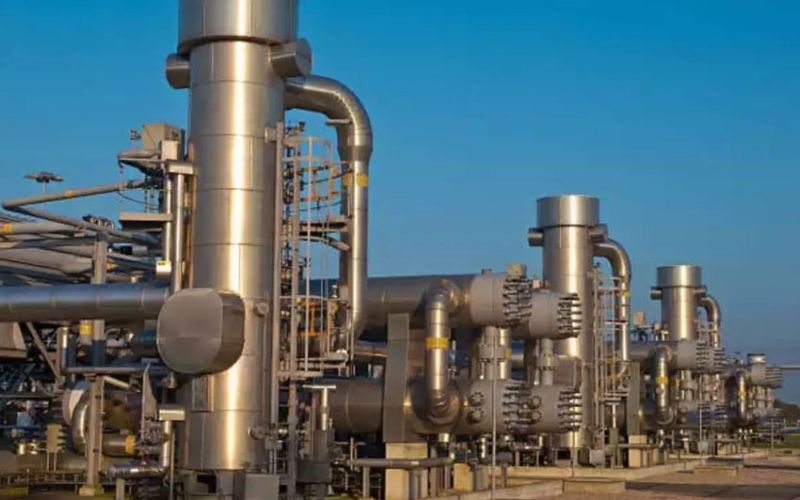
Securing a large-scale, foreign EPC contract shows that PETROJET is not only competitive domestically but also globally respected. This can unlock several advantages for the company:
- Increased visibility and credibility among regional energy stakeholders and investors.
- Opportunities to bid for more high-value projects — pipelines, LNG infrastructure, or even future hydrogen-related energy projects.
- Strengthening its international portfolio could also enhance its technological, managerial and execution capabilities by exposing it to diverse regulatory, logistical, and technical environments.
- For its workforce and partners, this contract promises continuity of business, exposure to large-scale international standards, and potentially new skill development in pipeline EPC execution.
Conclusion — A Win-Win for Oman and PETROJET
The $273 million EPC contract awarded to PETROJET by OQGN for the Fahud–Sohar gas pipeline is not just another business deal — it’s a strategic milestone. For Oman, it represents a big step forward in building a resilient, expanded gas infrastructure that underpins industrial growth, energy security, and economic diversification. For PETROJET, it marks a validation of its capabilities, and opens doors for bigger, more ambitious overseas projects.
As Oman’s energy demand grows and the push for industrialization intensifies, infrastructure projects like these will prove foundational. PETROJET’s delivery on this contract — safe, timely, high-quality — could well define its next decade of growth across the region.
Do Follow Gulf Magazine on Instagram
Read More:- Iraq’s High-Level Visit Sparks Powerful Progress at WCC 2025

