

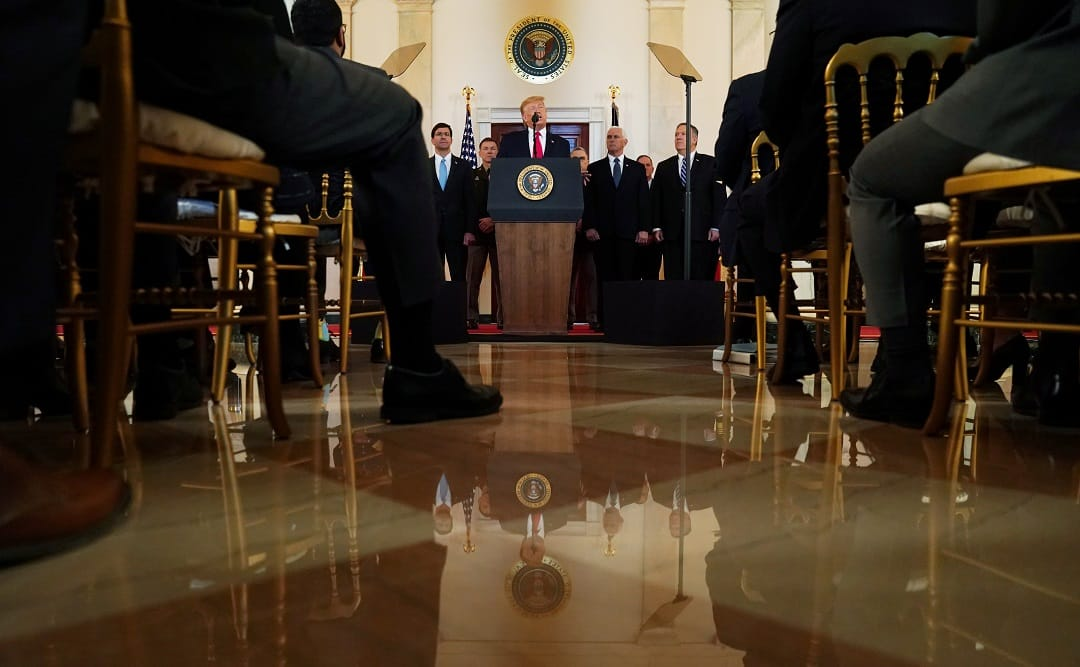
Iran’s top security official, Ali Larijani, has arrived in Muscat, Oman, following renewed indirect talks between Tehran and the United States over Iran’s nuclear program. Larijani, who leads Iran’s Supreme National Security Council, is set to meet with senior Omani leaders, including Sultan Haitham bin Tariq and Omani Foreign Minister Badr al‑Busaidi, to continue discussions on regional stability and strengthen bilateral cooperation.
This visit comes just days after nuclear negotiations were held in the Omani capital, aimed at advancing engagement and easing tensions that have simmered between Iran and the US. It reflects a continued diplomatic effort to explore common ground and prevent further escalation.
Oman’s Role as a Trusted Mediator
Oman has emerged as a trusted intermediary between Iran and the United States, offering neutral ground for indirect talks. The Gulf state’s position and diplomatic expertise have been crucial in bringing the two sides together, particularly after months of stalled negotiations.
Larijani’s discussions in Muscat are expected to go beyond nuclear issues. Conversations are likely to encompass broader regional developments, international security concerns, and opportunities for enhanced economic cooperation between Iran and Oman.
For Iran, maintaining a strong relationship with its Gulf neighbor is strategic. For Oman, facilitating dialogue between major regional and global powers strengthens its diplomatic credentials and contributes to a more stable Middle East.
The Context of Renewed Nuclear Talks
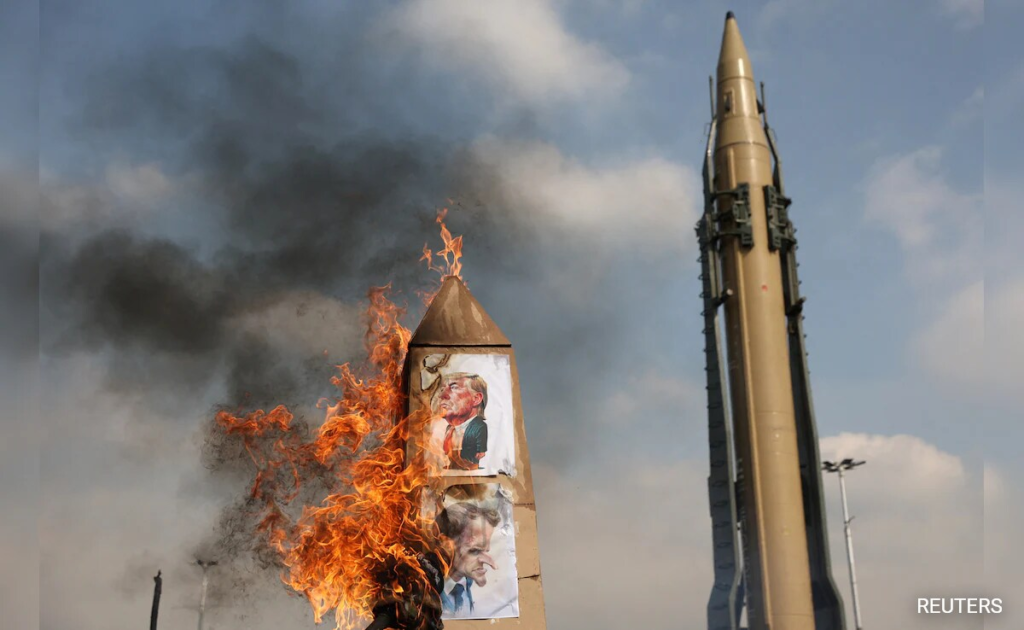
The latest round of indirect nuclear talks between Iran and the United States took place in Oman after nearly eight months of suspension. These talks were the first significant diplomatic engagement since a brief conflict last year involving Iran, Israel, and the United States.
Iranian Foreign Minister Abbas Araghchi, who led Tehran’s negotiating team, described the talks as a “good start” and signaled both sides’ willingness to pursue additional rounds of discussions. While details about specific agreements remain limited, there has been a sense that the dialogue marks a step toward de‑escalating long‑standing tensions.
A Human Perspective: What This Means
For many on both sides of the negotiation table, Larijani’s arrival in Muscat represents more than just flight schedules and diplomatic briefings. It embodies a shared desire to reduce fear and foster stability in a region that has experienced cycles of tension and conflict.
Iran’s leaders have repeatedly emphasized their commitment to defending national sovereignty and pursuing diplomatic solutions that protect their people’s interests. At the same time, the United States has signaled its intent to engage through intermediaries and explore ways to resolve contentious issues peacefully.
Behind the official statements are families, communities, and individuals who have felt the impacts of political strain in everyday life. For them, every diplomatic meeting holds the promise of a future where dialogue replaces confrontation, and cooperation opens doors to mutual benefit.
Balancing Hope and Reality
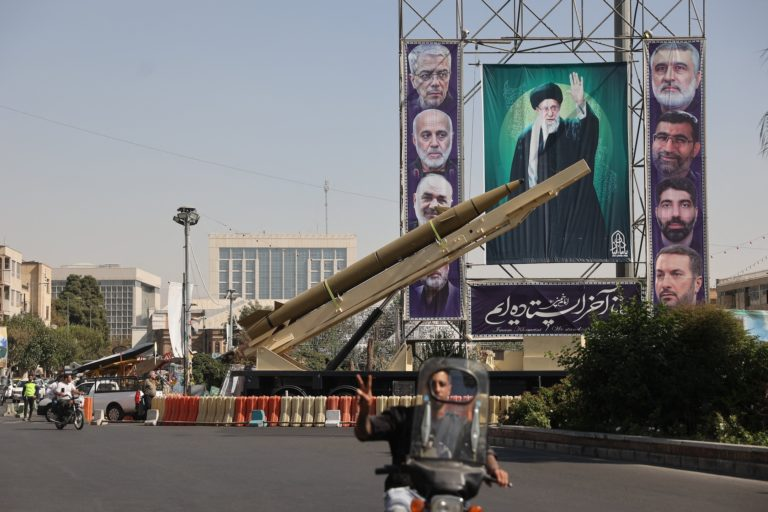
Even as optimism builds around renewed talks, obstacles remain. Core disagreements such as how to manage uranium enrichment and the scope of oversight and verification continue to challenge negotiators. Both sides have made clear that certain issues remain non‑negotiable, and trust must be rebuilt incrementally after years of mistrust and pressure.
Yet there is cautious hope. The fact that senior officials are meeting and engaging in substantive discussions suggests that diplomacy has not been abandoned. Larijani’s visit to Oman underscores Iran’s willingness to stay committed to dialogue even amid differing perspectives and complex geopolitical dynamics.
What Comes Next
Larijani’s meetings with Omani leaders are expected to lay the groundwork for future diplomatic exchanges, including another round of talks with US counterparts. By maintaining open lines of communication, both sides can explore potential avenues for easing sanctions, addressing nuclear concerns, and forging a path toward more sustainable regional cooperation.
Oman’s diplomatic efforts, coupled with Iran’s active engagement, offer a glimmer of possibility in a world that often feels overshadowed by conflict and competition. While challenges lie ahead, the efforts underway in Muscat reflect a collective yearning for progress over paralysis and solutions over stalemate.
A Shared Aspiration for Peace
In the end, Larijani’s visit to Oman symbolizes more than a political itinerary. It reflects humanity’s enduring aspiration for peace, understanding, and a future defined by constructive engagement rather than division. As talks continue, the world watches—not merely for headlines or diplomatic communiques but for the hopeful possibility that nations can come together and shape a more peaceful tomorrow.
Do Follow Gulf Magazine on Instagram
Read More:- Saudi Property Market Soars with Unprecedented Opportunities This February 2026

