

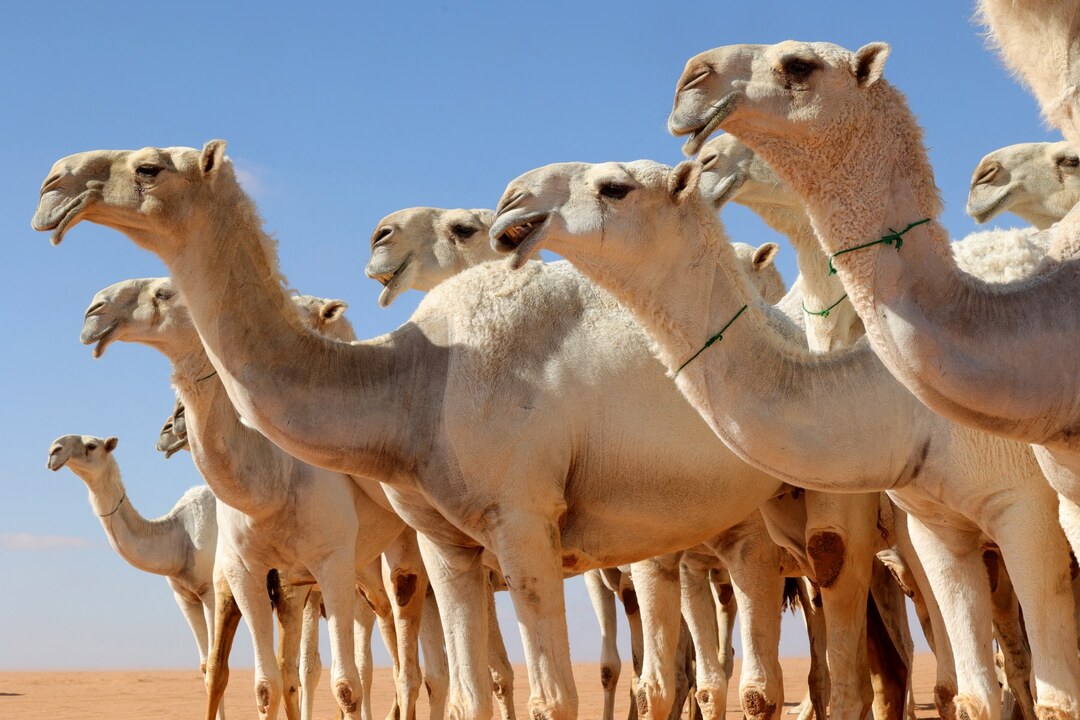
Camels Oman’s Timeless Companions
In the vast, sun-kissed deserts of Oman, where golden sands stretch endlessly and the horizon blurs into the sky, camels have stood as silent sentinels of history. These majestic creatures, with their graceful strides and unwavering endurance, have been more than mere animals; they are the lifeblood of Omani culture, embodying resilience, tradition, and a deep connection to the land.
From the bustling souks to the serene dunes, camel have woven themselves into the very fabric of Oman’s identity. Their significance transcends utility; they are symbols of pride, status, and a testament to the enduring bond between man and nature.
A Legacy Carved in Sand: The Historical Significance of Camels
Oman’s history is intricately linked with the camel. For centuries, these animals have been indispensable to the Bedouin tribes, serving as primary means of transport across the arid landscapes. Their ability to traverse vast distances without water made them invaluable companions in the harsh desert environment.
Beyond transportation, camels provided sustenance. Their milk, rich in nutrients, was a staple in the diet, while their meat was reserved for special occasions. The wool from their coats was spun into textiles, and their hides were crafted into tools and shelter. In essence, camels were the multifaceted lifeline for many Omani communities.
Cultural Icons: Camels in Omani Traditions and Festivals
Camels are not just part of Oman’s history; they are central to its cultural expressions. The annual camel races, held in various regions, are a vivid display of speed, skill, and tradition. These races attract spectators from all walks of life, celebrating the agility and grace of the camels.
Equally captivating is the “Ardhah,” a traditional Omani dance performed on horseback and camelback. This synchronized display of horsemanship and camel riding is accompanied by rhythmic chants and drumbeats, showcasing the deep-rooted bond between the people and their animals.
Camels and the Bedouin Way of Life
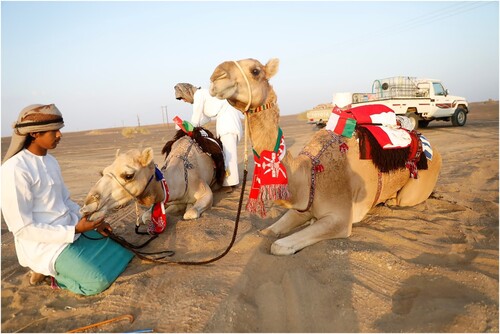
For the Bedouin tribes, camels are more than animals; they are family. The relationship is built on mutual respect and understanding. Bedouins often speak of their camels as if they were kin, attributing human-like qualities to them. This deep connection is evident in the care and attention given to these animals, ensuring they are well-fed, healthy, and treated with utmost respect.
The camel’s role in Bedouin society extends beyond the physical. They are integral to social status and identity. Owning a prized camel can elevate one’s standing within the community, symbolizing wealth, generosity, and a deep connection to tradition.
Economic Pillars: Camels in Oman’s Livelihoods
In the rural heartlands of Oman, camels play a pivotal role in the economy. They are not just companions; they are assets. Their milk is sold in local markets, fetching a premium price due to its health benefits. The wool is woven into textiles, which are either used locally or traded.
Moreover, camels are central to tourism in Oman. Camel treks through the desert offer visitors a unique glimpse into traditional Omani life, attracting tourists seeking authentic experiences. These ventures provide livelihoods for many, blending tradition with modern economic opportunities.
Camels in Omani Art and Symbolism
The influence of camels permeates Omani art and symbolism. Traditional crafts often depict camels, from intricate wood carvings to vibrant paintings. Their graceful forms are celebrated in poetry and song, immortalizing their beauty and significance.
The camel’s image is also prevalent in Oman’s national symbols. It appears in the country’s emblems and is often featured in celebrations and ceremonies, underscoring its importance in the national consciousness.
The Spiritual Connection: Camels in Omani Beliefs
In Omani culture, camels are imbued with spiritual significance. They are seen as gifts from the divine, embodying strength, patience, and endurance. Their presence in religious rituals and prayers reflects the deep reverence held for these creatures.
Many Omanis believe that the camel’s soul is intertwined with the land, carrying the spirit of the desert within. This spiritual connection fosters a sense of responsibility to protect and honor these animals, ensuring their place in Oman’s future.
Challenges and Conservation Efforts
Despite their revered status, camel face challenges in modern Oman. Urbanization and changing lifestyles have led to a decline in traditional camel herding practices. However, efforts are underway to preserve this heritage. Conservation programs aim to protect camel habitats and promote sustainable practices, ensuring that future generations can continue to experience the bond between man and camel.
Conclusion: Camels Oman’s Eternal Companions
Camel are not mere animals in Oman; they are living symbols of the nation’s history, culture, and spirit. Their unwavering presence in the deserts, their role in traditions and festivals, and their deep connection to the people highlight their integral place in Omani life.
As Oman strides into the future, embracing modernity and progress, the camel remains a steadfast companion, reminding all of the enduring values of resilience, respect, and harmony with nature. In every stride across the sands, the camel carries with it
Do follow Gulf Magazine on Instagram.
Also Read – Discover the Rich Flavors and Timeless Traditions of Omani Cuisine

