

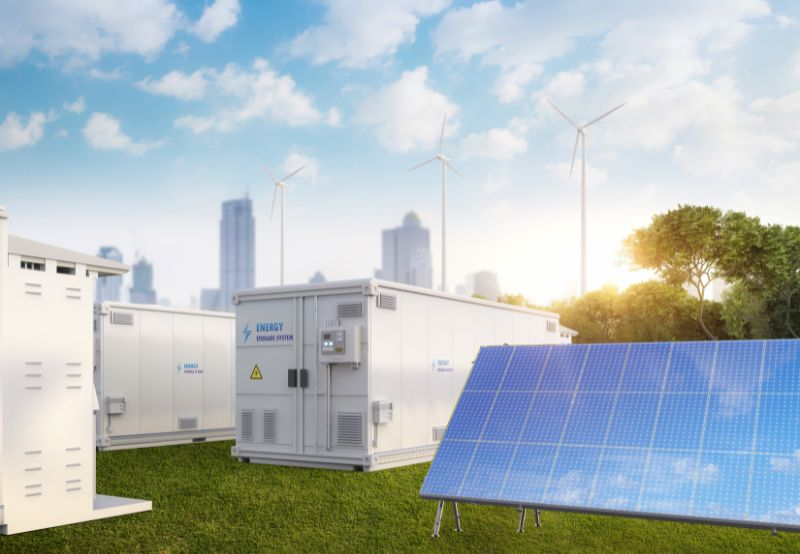
The global race for clean energy dominance is accelerating, and a new Canadian-Saudi battery plant is emerging as a powerful symbol of strategic transformation. As countries rethink their supply chains and reduce dependency on a single manufacturing giant, this joint initiative signals a bold shift toward diversification and resilience.
For years, China has dominated the global battery market, particularly in lithium-ion cell production and processing of critical minerals. Now, Canada and Saudi Arabia are stepping forward with a collaborative venture that could reshape the electric vehicle (EV) and renewable energy storage landscape. Beyond economics, this project represents a strategic move to secure energy independence and build long-term technological partnerships.
Why the World Wants to Reduce Battery Dependence on China
China’s Dominance in the Battery Ecosystem
China currently controls a significant portion of the global battery supply chain. From mining and refining critical minerals such as lithium, cobalt, and nickel to manufacturing battery cells at scale, Chinese firms have built an ecosystem that few countries can rival.
This dominance has helped reduce battery costs worldwide, fueling the EV revolution. However, it has also created vulnerabilities. Supply chain disruptions, geopolitical tensions, trade restrictions, and rising concerns over strategic overdependence have prompted governments to rethink their sourcing strategies.
Countries across North America, Europe, and the Middle East are now investing billions in domestic or allied battery production facilities. The Canadian-Saudi project fits squarely into this larger global effort to build a more balanced and secure energy future.
Strategic Risks and Energy Security
Energy security is no longer limited to oil and gas. In the era of electric mobility and renewable grids, batteries are the new strategic asset. Nations that lack access to battery production capacity risk falling behind in industrial competitiveness and climate targets.
By partnering together, Canada and Saudi Arabia aim to reduce these risks while positioning themselves as influential players in the global clean energy transition.
The Power of the Canadian-Saudi Partnership
Canada’s Mineral Strength and Clean Energy Expertise
Canada brings critical advantages to the table. It is rich in essential battery minerals, including lithium, nickel, and cobalt. The country has also been investing heavily in sustainable mining practices and clean energy technologies.
Canadian provinces such as Ontario and Quebec have emerged as growing hubs for battery manufacturing, supported by government incentives and proximity to the United States market. By leveraging its natural resources and advanced research capabilities, Canada can supply key materials for battery cell production while ensuring responsible sourcing.
Saudi Arabia’s Investment Power and Industrial Vision
Saudi Arabia, on the other hand, offers substantial financial backing and a strong commitment to economic diversification under its long-term development plans. Historically reliant on oil exports, the Kingdom is actively expanding into advanced manufacturing, renewable energy, and high-tech industries.
Through large-scale industrial projects and sovereign investment initiatives, Saudi Arabia has demonstrated its capacity to build infrastructure rapidly. Entering the battery manufacturing sector aligns with its ambition to become a regional clean energy leader.
Together, Canada’s resource base and Saudi Arabia’s capital and industrial ambition create a complementary partnership that could challenge established supply chains.
What the New Battery Plant Means for the EV Industry
Building a More Resilient Supply Chain
Electric vehicle manufacturers are under increasing pressure to secure reliable battery supplies. Demand for EVs continues to grow globally, and battery shortages or price volatility can slow down production.
A Canadian-Saudi battery plant could provide an alternative supply source outside China’s dominant ecosystem. Automakers in North America, Europe, and the Middle East may benefit from diversified procurement options, reducing exposure to geopolitical risk.
The plant could also focus on advanced battery technologies, including next-generation lithium-ion chemistries or even solid-state innovations in the future. This would enhance competitiveness while contributing to technological breakthroughs.
Lowering Long-Term Costs Through Scale
Although initial investments are significant, scaling production over time can drive down costs. Increased competition in the battery sector is likely to stabilize pricing globally.
By adding new large-scale manufacturing capacity, the Canadian-Saudi project may encourage innovation and efficiency across the industry. Competition often leads to better products, faster research, and improved sustainability standards.
Economic Impact and Job Creation
Boosting Local Economies
Large battery plants, often referred to as gigafactories, generate thousands of direct and indirect jobs. From construction and engineering to logistics and research roles, the economic ripple effect is substantial.
In Canada, expanded mineral extraction and processing activities can stimulate regional development. In Saudi Arabia, advanced manufacturing facilities can create high-skilled employment opportunities for a younger generation eager to participate in future-focused industries.
This partnership is not just about technology; it is about people. It offers workers new career pathways in clean energy sectors that are expected to grow for decades.
Encouraging Cross-Border Innovation
Joint ventures of this scale typically foster research collaborations between universities, technology firms, and industrial partners. Knowledge sharing across continents can accelerate battery efficiency improvements, recycling methods, and sustainable manufacturing practices.
Innovation thrives when diverse expertise meets shared ambition. By combining North American research strengths with Middle Eastern investment power, the project may become a hub for next-generation battery solutions.
Environmental Considerations and Sustainability Goals
Cleaner Production and Responsible Sourcing
As the world shifts to renewable energy, sustainability must remain at the core of battery manufacturing. Canada’s commitment to environmental standards and Saudi Arabia’s increasing focus on renewable energy integration could ensure the plant adopts cleaner production processes.
Responsible mineral sourcing, water management, and recycling programs will be critical. Consumers and regulators alike are demanding transparency in how batteries are produced.
If executed thoughtfully, this project could set a benchmark for ethical battery production outside China’s established framework.
Supporting Global Climate Targets
Batteries are essential for reducing carbon emissions. They power electric vehicles, store solar and wind energy, and stabilize grids. Expanding global battery capacity supports the broader fight against climate change.
The Canadian-Saudi initiative aligns with international efforts to accelerate clean energy adoption. By increasing supply and enhancing reliability, the plant could indirectly support millions of electric vehicles and renewable energy installations worldwide.
Challenges Ahead
Competition and Market Pressures
Entering a market dominated by established players will not be easy. Chinese manufacturers benefit from economies of scale, integrated supply chains, and decades of investment.
To succeed, the Canadian-Saudi plant must achieve competitive pricing, consistent quality, and strong partnerships with automakers and energy companies.
Government incentives, trade agreements, and strategic alliances may play a vital role in ensuring commercial viability.
Navigating Geopolitical Dynamics
While the goal is to reduce reliance on China, global trade remains interconnected. Raw materials, components, and technological expertise often cross multiple borders before reaching final assembly.
Balancing diversification with practical supply chain realities will require careful planning and diplomacy.
A Bold Step Toward a Balanced Battery Future
The Canadian-Saudi battery plant represents more than a manufacturing facility. It symbolizes a shift in how nations approach energy security, industrial strategy, and international cooperation.
In a world increasingly shaped by clean technology, batteries are becoming as strategically important as oil once was. By joining forces, Canada and Saudi Arabia are positioning themselves at the heart of this transformation.
If successful, the project could inspire similar cross-border collaborations, creating a more diversified and resilient global battery market. For consumers, automakers, and governments alike, that means greater stability, enhanced innovation, and a stronger foundation for the electric future.
The road ahead may be complex, but the ambition is clear. This partnership is not just about cutting reliance on China. It is about building a smarter, more secure, and more sustainable energy ecosystem for the decades to come.
Do Follow Gulf Magazine on Instagram
Read More:- Saudi EV Giant Ceer Signs 16 Powerful Localisation Deals

