

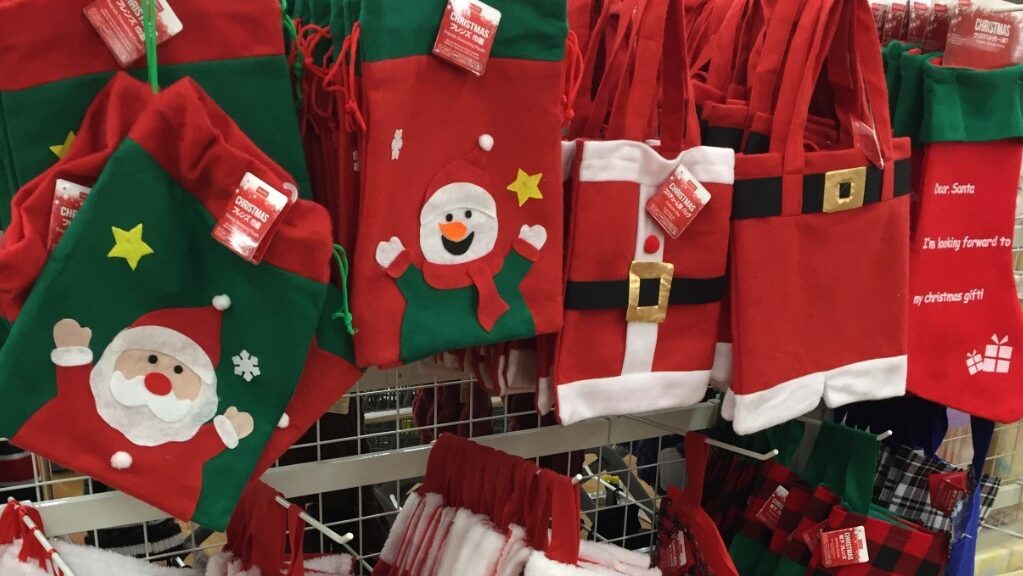
As December unfolds in Kuwait, the familiar sparkle of Christmas lights and ornaments feels a little different this year. Shop windows still glow, malls still hum with seasonal music, and families still wander aisles in search of festive charm. Yet many shoppers agree on one thing: Christmas decor is noticeably scarcer and more expensive than before. What remains unchanged, however, is the quiet determination of residents to celebrate the season in their own heartfelt way.
This year’s Christmas in Kuwait reflects a blend of adaptation, creativity, and emotional resilience. With fewer decorations available and higher price tags attached, the festive spirit has not disappeared. Instead, it has evolved.
A Changed Shopping Experience for the Season
For many residents, the first sign of change came during early December shopping trips. Shelves that once overflowed with ornaments, wreaths, and lights now appear more selective. Popular items sell out quickly, and restocking takes longer than expected.
Shoppers who traditionally bought new decorations each year are now pausing, comparing prices, and reconsidering purchases. A simple string of lights or a decorative tree topper can cost significantly more than it did in previous seasons. While the festive atmosphere still exists, it comes with a sense of caution and thoughtful spending.
Why Christmas Decor Is Harder to Find
Supply Chain Challenges
One of the main reasons behind the scarcity is disruption in global supply chains. Many decorations sold in Kuwait are imported, and delays in shipping, higher transportation costs, and limited availability have affected how much stock reaches local shops.
Retailers are often forced to place smaller orders or prioritize best-selling items, leaving less room for variety. As a result, shoppers see fewer choices on shelves and online platforms.
Rising Import and Operational Costs
Higher import costs have directly influenced retail prices. Increased fuel prices, shipping fees, and storage expenses all add up before decorations even reach the shop floor. Retailers, already operating under tight margins, have little choice but to pass some of these costs on to consumers.
For shoppers, this translates into decorations that feel more premium in price, even if the design remains simple.
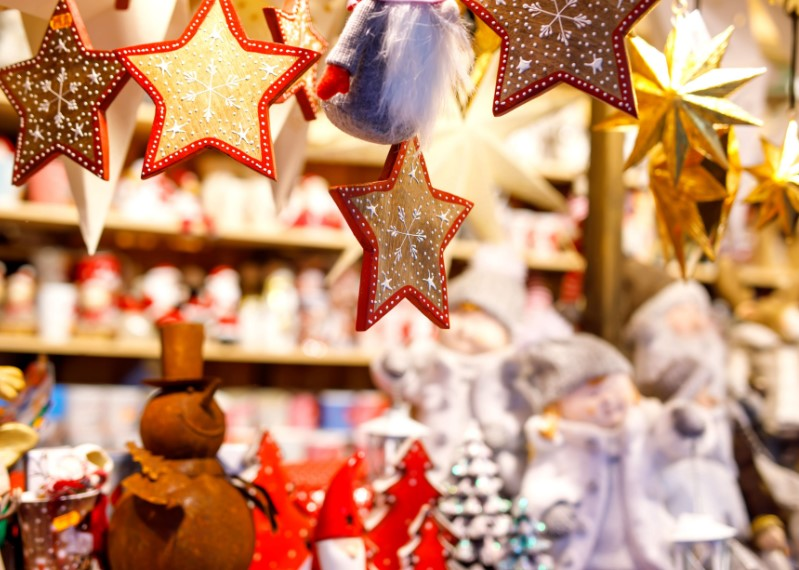
How Shoppers Are Adapting
Despite these challenges, Christmas in Kuwait is far from canceled. Instead, shoppers are adjusting their habits and expectations.
Reusing and Reviving Old Decorations
Many families are rediscovering decorations stored away from previous years. Old ornaments are cleaned, repaired, or repurposed. A faded wreath gets a new ribbon, and an aging Christmas tree finds fresh life with rearranged lights.
This return to reuse has added emotional value to decorations. Items once considered outdated now carry memories, making celebrations feel more personal and meaningful.
Smaller, Thoughtful Displays
Instead of grand setups, many homes are opting for minimal yet intentional decor. A small tabletop tree, a handful of candles, or a single festive corner can set the mood without excessive spending.
This shift has changed how people define celebration. Rather than focusing on quantity, there is greater emphasis on warmth, togetherness, and simplicity.
The Retailers’ Perspective
Careful Stock Planning
Shop owners in Kuwait are navigating a difficult balancing act. Ordering too much inventory risks unsold stock, while ordering too little leads to disappointed customers. Many retailers have chosen a cautious approach, focusing on core Christmas items that reliably sell.
Some shops are also diversifying by offering multi-purpose decor that can be reused beyond Christmas, making purchases feel more practical for buyers.
Adjusting to Customer Sentiment
Retailers report that shoppers are more price-conscious this year. Customers compare options, ask about discounts, and often wait for promotions before buying. In response, some stores have introduced smaller decor items at lower price points to keep Christmas accessible.
Community and Cultural Sensitivity
Christmas in Kuwait holds a unique place. While it is not a public holiday, it is warmly embraced by many residents, especially expatriate communities. Decorations in malls, cafes, and homes reflect a shared respect for diverse traditions.
This year, the modest scale of decorations has not reduced their significance. If anything, it has encouraged a quieter, more inclusive celebration focused on shared experiences rather than visual extravagance.
The Role of Malls and Public Spaces
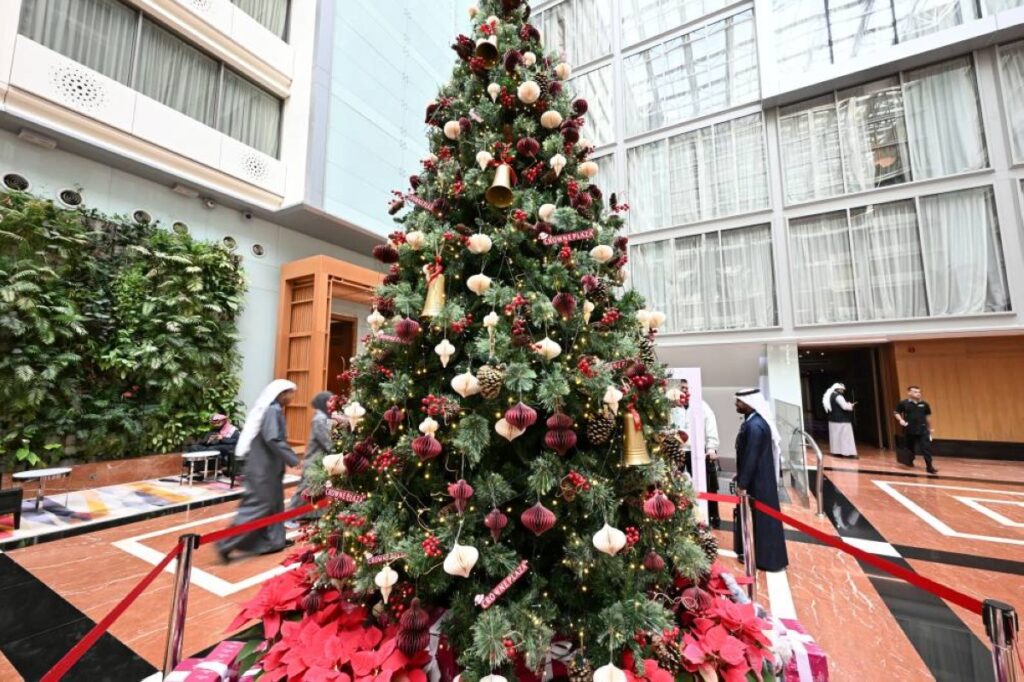
Shopping malls remain central to the Christmas atmosphere in Kuwait. Even with fewer decorations available for purchase, malls invest in large-scale displays that create festive environments for visitors.
Creating Experiences Over Excess
Rather than overwhelming decor, many malls focus on curated displays, lighting effects, and seasonal events. These shared spaces allow families to enjoy the festive feeling without needing to recreate it fully at home.
For many residents, a walk through a decorated mall, a cup of seasonal coffee, and time spent with loved ones now define the season more than elaborate home setups.
Emotional Value Over Material Display
A Shift in Perspective
The higher prices and limited availability have prompted reflection. Many shoppers express that Christmas feels less about how much they decorate and more about why they celebrate. Conversations, shared meals, and moments of connection are taking center stage.
Children may notice fewer decorations, but they often remember the joy of togetherness more than the number of ornaments on a tree.
Gratitude and Creativity
Scarcity has sparked creativity. Handmade decorations, simple crafts, and DIY projects are becoming more popular. These activities not only reduce costs but also bring families together in preparation for the holiday.
Online Shopping and Alternative Options
Some shoppers have turned to online platforms, hoping for better deals or wider selection. While online shopping offers convenience, it comes with its own challenges, including delivery delays and limited local availability.
Others explore local markets or small businesses, supporting homegrown sellers who offer handmade or unique festive items. This shift has strengthened community connections and highlighted local creativity.
Looking Ahead: What This Season May Change
The experience of this Christmas season may leave a lasting impact on how residents in Kuwait celebrate in the future.
More Conscious Consumption
Many shoppers say they will likely continue buying fewer decorations, focusing instead on quality and longevity. The idea of building a meaningful collection over time is replacing the habit of annual replacement.
Redefining Festive Joy
This season has shown that celebration does not depend on abundance. Even with fewer lights and ornaments, the essence of Christmas remains intact through kindness, generosity, and shared moments.
A Season That Still Shines
Christmas decor may be scarcer and pricier in Kuwait shops this year, but the spirit of the season has not dimmed. It has simply found new ways to shine. Through reuse, creativity, and emotional connection, residents are proving that celebration is not measured by cost or quantity.
In quieter homes and thoughtfully decorated corners, Christmas continues to arrive not through excess, but through intention. And in many ways, that makes this season feel even more special.
Do follow Gulf Magazine on Instagram.
Also Read – Warm and Sunny Christmas Eve Brings Festive Cheer to the Gulf Coast

