

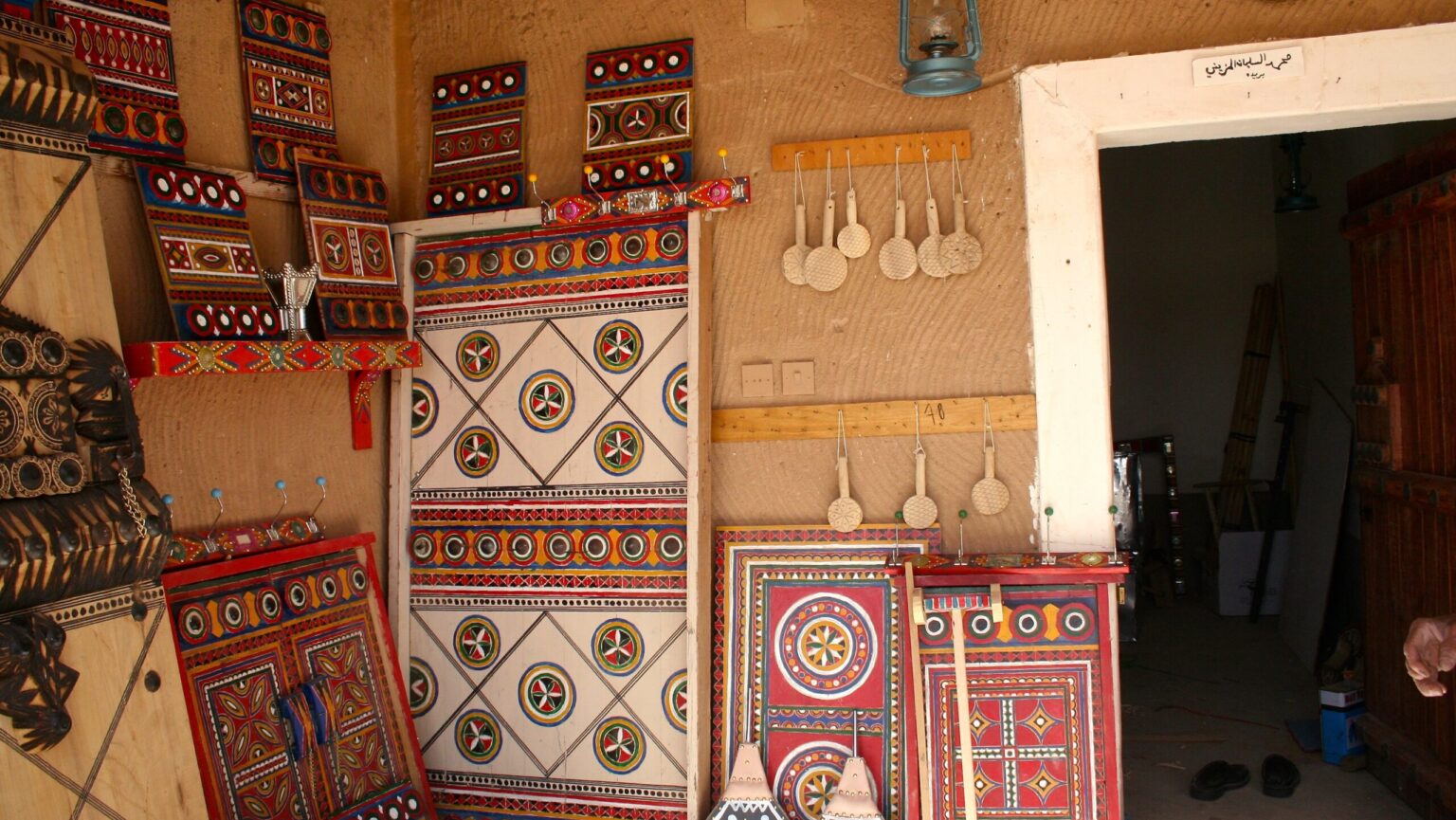
Across the Gulf region, something beautiful is happening. People are going back to their roots. From weaving palm leaves to creating perfumes, traditional crafts are returning to everyday life. These crafts, once passed down from grandparents to grandchildren, are now being celebrated again. But this time, they’re not just a memory—they are becoming a movement.
Countries like the UAE, Saudi Arabia, Bahrain, Kuwait, and Oman are putting more focus on preserving and promoting their old traditions. And at the heart of this cultural revival are the handmade crafts that shaped daily life for generations.
A Growing Appreciation for Handcrafted Heritage
In the past, crafts were simply part of life. Men built fishing nets, women wove baskets, and local artisans created clothes, jewelry, and home tools. Everything was made by hand with care and meaning.
But with modernization, many of these skills slowly disappeared. Machine-made products became cheaper and faster to produce. Sadly, many young people forgot these beautiful arts.
Now, that is changing. Governments, communities, and even young people themselves are working hard to bring these skills back. The goal is not only to protect culture but to make these crafts part of the modern lifestyle.
Craft festivals, heritage markets, and workshops are happening all across the region. Visitors are learning how to make things like sadu weaving, khous basketry, dagger-making, and incense crafting. These events show how the Gulf’s history lives through the hands of its people.
Women Leading the Craft Revival
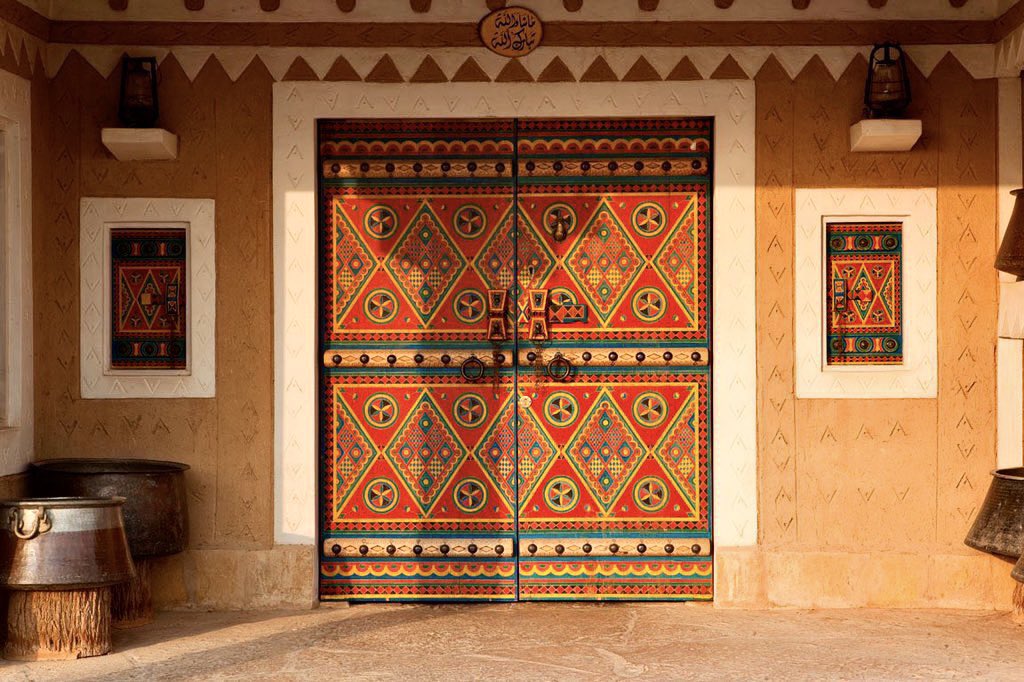
One of the most powerful parts of this revival is the role of women. Across the Gulf, many women have become the heart of the traditional craft movement. In rural villages and busy cities, women are returning to old practices like weaving, embroidery, and perfume-making.
They are not just keeping traditions alive—they are also building small businesses. Their handmade items are being sold online, in art fairs, and at cultural exhibitions. For many of these women, crafts have become a source of income, pride, and independence.
For example, in Oman and Bahrain, groups of women artisans now gather weekly to work on embroidery and textile work. They share stories, teach younger generations, and sell their items locally and abroad. Their work is helping preserve both history and community spirit.
From Souks to Global Markets
What once was only sold in local markets is now reaching the world. With the help of social media and online platforms, traditional Gulf crafts are gaining global attention. Tourists visiting the region often leave with handwoven baskets, carved wooden items, or beautiful pieces of silver jewelry.
Young entrepreneurs are also stepping in. They are blending traditional techniques with modern designs to create products that appeal to today’s buyers. Some are turning sadu weaving into high-fashion pieces. Others are creating handmade incense blends that tell a story of the desert and sea.
This mix of old and new has helped make Gulf crafts both meaningful and marketable. It shows that culture doesn’t have to stay in the past—it can move forward and grow.
Cultural Centers Becoming Hubs of Learning
To make sure that these crafts do not get lost again, Gulf countries have built cultural centers, museums, and learning spaces where people can study and practice traditional skills. These centers welcome everyone—children, students, tourists, and even skilled artisans looking to pass on their knowledge.
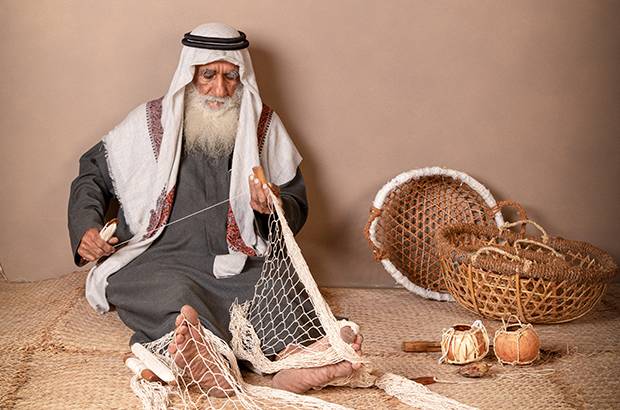
In places like Al Ain in the UAE or Al Qassim in Saudi Arabia, visitors can now watch artisans at work and even try the crafts themselves. Schools are also adding cultural education to their curriculum so children learn about their roots early on.
This investment in cultural education means that heritage is not just being saved—it’s being lived and experienced.
A New Path for Youth and Creativity
While traditional crafts may seem old-fashioned to some, many young Gulf citizens are finding new pride in their roots. Some are turning to craft-making as a creative escape from fast-paced life. Others are using it to build businesses that celebrate local culture.
The new generation of Gulf artists and designers are mixing history with innovation. They are finding new ways to use traditional skills in fashion, interior design, and modern products. By doing so, they are proving that craft is not only about preserving the past—it’s also about shaping the future.
This revival also gives youth a deeper connection to their identity. In a globalized world, where everything moves fast and digital, these traditional crafts offer a slower, more meaningful way of creating. It helps young people feel rooted, proud, and connected to their family stories.
Challenges and Hopes for the Future
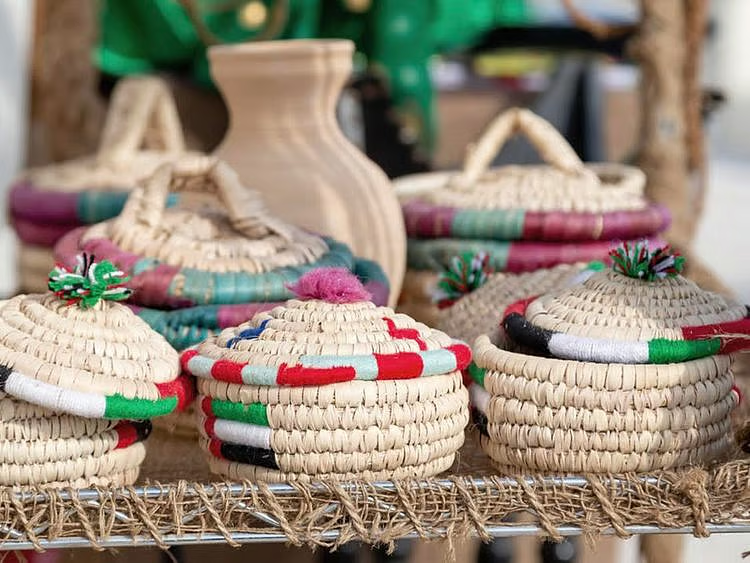
Even with all the positive steps, challenges remain. Some traditional materials are becoming harder to find. Skilled artisans are getting older, and it takes time to train the next generation. Also, turning crafts into full-time businesses can be tough, especially without enough support or funding.
But the hope is strong. With continued government backing, more education, and support from communities, traditional crafts in the Gulf can thrive again. They can continue to be more than art—they can be living symbols of who the Gulf people are.
Crafts bring people together. They tell stories of love, hard work, beauty, and survival. In today’s Gulf region, these stories are not being forgotten. They are being stitched, carved, and woven into the future.
Final Thoughts
The revival of traditional crafts is more than a trend—it’s a cultural movement that touches identity, community, and creativity. Across the Gulf, people are rediscovering their past in the textures of fabric, the scent of oud, and the pattern of every handmade basket.
As this beautiful revival grows, it’s clear that traditional crafts are not just surviving—they are thriving. And in doing so, they are helping the Gulf hold on to its soul while stepping into the future.
Also read: How Gulf Governments Are Supporting Startups and Innovation

