

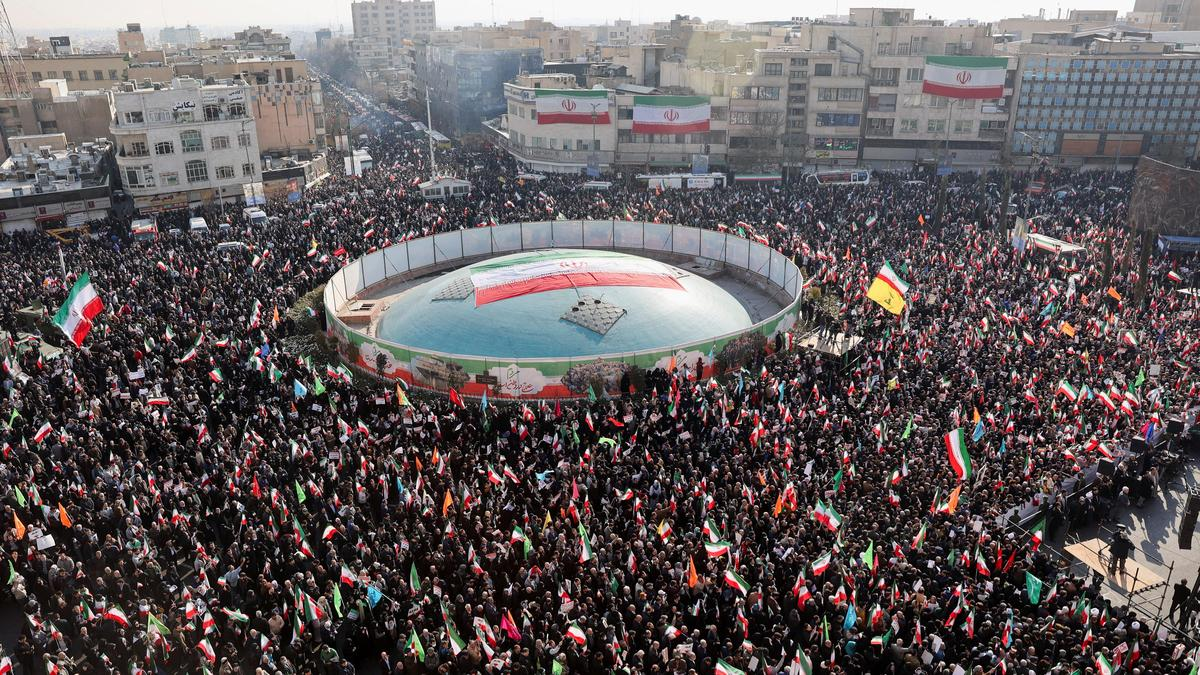
Iran is witnessing one of the most severe waves of unrest in its recent history, with activists reporting that more than 7,000 people have died amid the government’s crackdown on nationwide protests. The unrest, which began over growing economic challenges and social restrictions, has escalated into a significant humanitarian crisis. Families across the country are mourning the loss of loved ones, while communities struggle to process the scale of the violence.
The protests have drawn attention not just within Iran but across the globe, sparking debates about human rights, freedom of expression, and the government’s approach to dissent. Activists say that the numbers reflect a systematic and harsh response by authorities determined to quell public dissent, highlighting the urgency of international awareness and intervention.
Voices of the People Silenced
For many Iranians, the protests were a chance to demand fundamental changes—better economic conditions, greater personal freedoms, and an end to oppressive policies. However, the government’s response has been brutal, with reports of mass arrests, lethal force, and targeted operations against protest leaders.
Families describe the pain of losing loved ones without clear information about circumstances, while activists face constant threats, harassment, and surveillance. The fear of speaking out has intensified, yet ordinary citizens continue to demonstrate courage by documenting the events and sharing stories with the outside world. These brave voices shed light on the human cost of the crackdown, making the tragedy more than just numbers—it’s a story of lives cut short and communities scarred.
International Response and Humanitarian Concerns
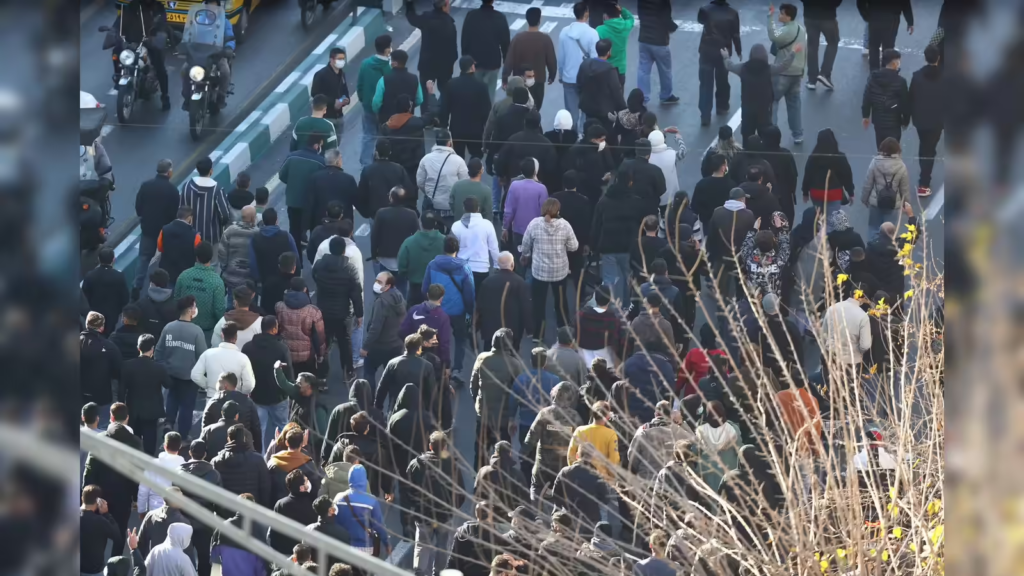
The reported death toll has prompted widespread concern from human rights organizations and governments around the world. Calls for restraint and accountability have been growing, with experts urging diplomatic pressure on Iranian authorities to allow independent investigations and humanitarian access. The global community remains alarmed by the scale of repression, emphasizing that addressing the crisis is not just a political matter but a moral imperative.
Humanitarian groups highlight the urgent need for support for families affected by the violence, including medical care, psychological assistance, and legal aid for those unjustly detained. Despite these efforts, access remains limited due to government restrictions, making the plight of many citizens invisible to the wider world.
The Role of Social Media and Citizen Journalism
In an era of digital connectivity, social media has become a critical tool for Iranians to document and share what is happening on the ground. Photos, videos, and firsthand accounts have revealed the severity of the crackdown, countering official narratives that often downplay the scale of the violence. Citizen journalists risk their safety daily to ensure that the world sees the reality behind closed doors.
These accounts not only inform global audiences but also foster solidarity among citizens, encouraging peaceful demonstrations and raising awareness about the human rights violations occurring. While the government has attempted to limit internet access and censor content, the persistence of these voices underscores the resilience and determination of the people.
Understanding the Broader Context
Iran’s current unrest is rooted in years of economic hardship, political suppression, and social restrictions. Inflation, unemployment, and corruption have intensified public frustration, while government policies have left many citizens feeling marginalized. For decades, voices calling for reform were often ignored or silenced, creating a buildup of tension that eventually exploded into mass protests.
Experts suggest that addressing the root causes of unrest is critical. This includes meaningful engagement with civil society, transparent governance, and structural reforms that improve living conditions and ensure basic freedoms. Without these measures, cycles of protest and repression are likely to continue, perpetuating a tragic loss of life and social instability.
The Human Cost Behind the Numbers
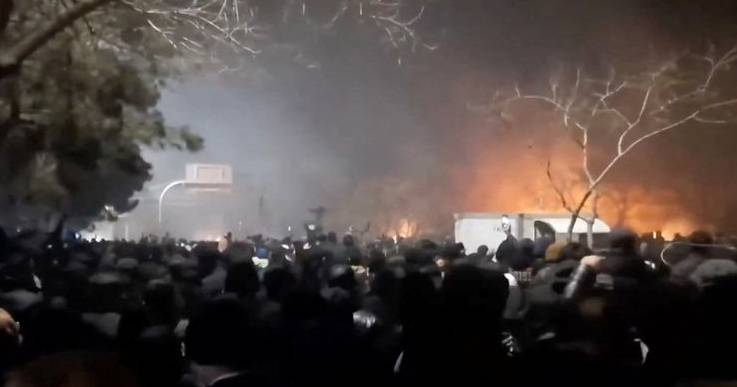
The reported 7,000 deaths are more than statistics—they represent mothers, fathers, children, and friends whose lives were abruptly ended. Communities have been left to mourn, often in secret, while fear lingers in public spaces. Mental health impacts, trauma, and grief are profound, leaving long-lasting scars on a generation of citizens.
Activists emphasize that global awareness is essential to honor the victims and support those still at risk. International media coverage, diplomatic engagement, and humanitarian action can help ensure that these lives are remembered and that steps are taken to prevent further loss.
Looking Ahead: Hope Amid Crisis
Despite the grim circumstances, there are glimmers of hope. Courageous individuals continue to raise their voices, seeking justice and change. Advocacy groups are mobilizing resources, and international attention is increasing pressure on authorities. Many believe that acknowledging the suffering and demanding accountability can eventually lead to reform, protection of human rights, and a safer future for Iranian citizens.
The resilience of the Iranian people in the face of adversity is a testament to human strength and determination. While the path ahead remains challenging, hope persists in the belief that one day, the calls for justice and dignity will be heard, and meaningful change will follow.
Do Follow Gulf Magazine on Instagram
Read More:- Mira Developments Makes Bold Move with Omar Gull Leadership 2026

