

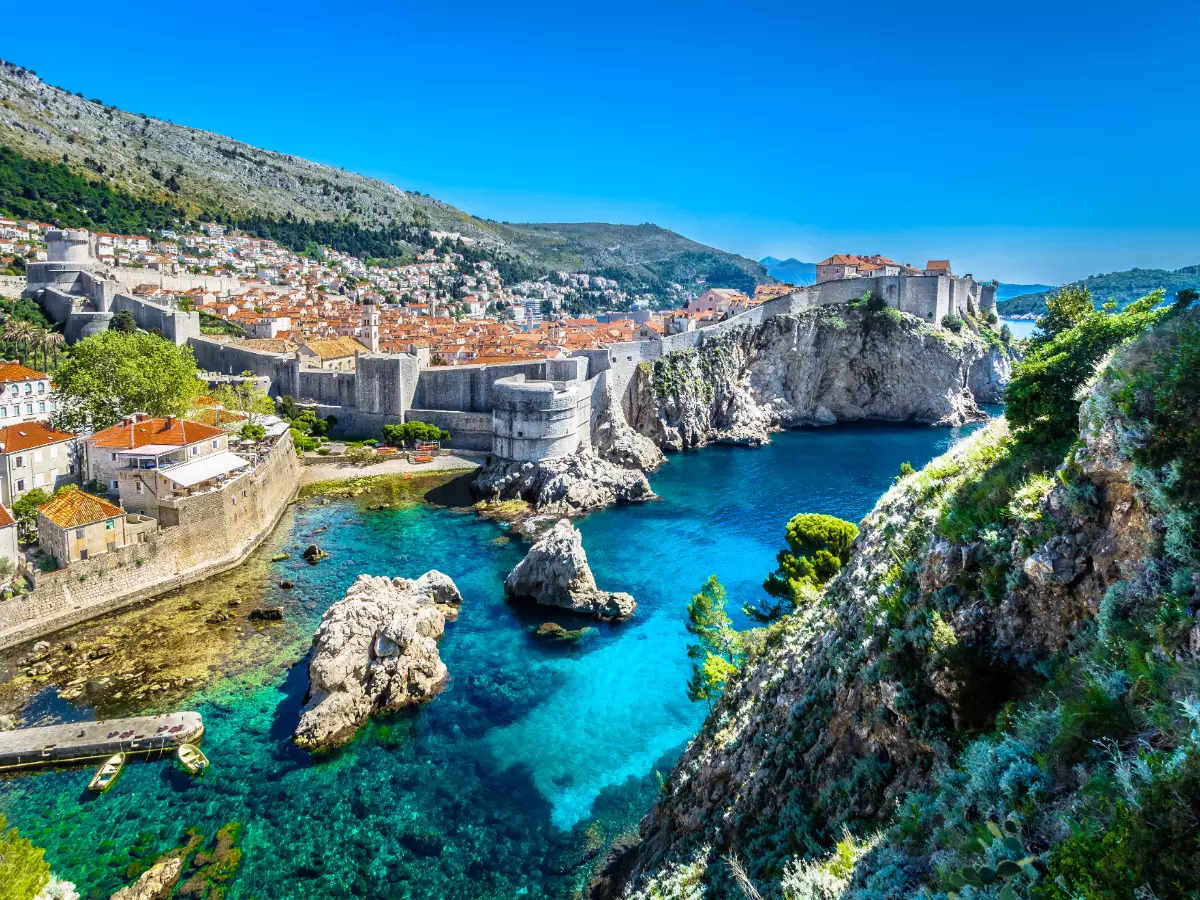
Croatia, a stunning Mediterranean destination known for its ancient cities, beautiful beaches, and vibrant summer festivals, is now joining the growing list of countries that are introducing stricter dress code rules for tourists. The move is part of a global trend focused on encouraging visitors to respect local culture, preserve public decency, and support sustainable tourism.
In cities like Split and Dubrovnik, authorities are now taking action to prevent tourists from walking around city streets in bikinis, swimwear, or shirtless, especially when they are far from the beach. This change has sparked both support and concern, but many agree that some new level of control has become necessary due to a sharp rise in unruly tourist behavior.
Why Croatia Made the Change
Tourism is a major industry in Croatia, contributing billions of euros to the country’s economy each year. But with the increase in visitor numbers, especially during the summer months, locals have complained about what they consider to be disrespectful behavior, such as drinking in public, shouting, and walking half-naked through historic towns.
The Croatian city of Split recently announced fines for tourists caught wearing bikinis, walking shirtless, or dressing inappropriately away from beaches. The penalty can range from €13 to €133, depending on the seriousness of the offense. Dubrovnik, a UNESCO World Heritage Site, has already introduced signs and public campaigns reminding tourists to dress properly in its Old Town.
City officials say this is not about targeting anyone, but rather protecting the cultural and historical integrity of the towns. “We welcome all tourists, but we ask them to behave as they would in their own cities,” one local official stated. “When you enter someone’s home, you show respect. The same applies here.”
The Bigger Global Picture
Croatia is not alone. Many popular destinations around the world are tightening their dress rules to handle the impact of mass tourism.

Here’s how some other countries are dealing with the issue:
- Spain: Cities like Barcelona, Palma de Mallorca, and Malaga have implemented rules banning bikinis and shirtless outfits in public areas. Fines can be as high as €300 for those who ignore the law. These cities aim to balance tourism with the comfort and dignity of residents.
- Italy: Cities such as Sorrento and Florence have begun penalizing people for inappropriate clothing, especially in churches and around sacred or historic landmarks. Wearing beachwear on city streets is also discouraged, with signs placed around tourist-heavy zones.
- France: In some regions, local authorities are asking visitors to cover up when leaving the beach, especially in religious or residential areas. Though not always backed by heavy fines, the rules are enforced through polite reminders and notices.
- Portugal: Towns like Albufeira, a famous party hotspot, have started issuing fines of up to €1,250 to tourists who walk around town in swimwear or act inappropriately in public spaces. Officials say the move aims to make the town more family-friendly.
- India: Although not enforced with fines in most places, tourists are strongly advised to dress modestly, especially when visiting temples, mosques, or sacred places. In some areas, tourists may be refused entry to religious sites if they are dressed too casually or revealingly.
- Saudi Arabia: One of the most conservative countries, Saudi Arabia has always required modest dress for both residents and visitors. Now, with more international tourists entering through its new tourist visa program, authorities have launched online guides and awareness campaigns to educate tourists about appropriate clothing.
These regulations are not just about decency or culture—they’re also about keeping tourism sustainable and preserving local traditions in the face of increasing globalization and commercial travel.
Tourists React: Mixed Opinions
Tourists visiting Croatia and other Mediterranean countries this year have expressed mixed views. Some believe the rules make perfect sense.
“I understand it completely,” said a visitor from Germany vacationing in Split. “We’re guests here. Walking around shirtless in the city is just not respectful.”
Others think the rules go too far and may take away from the relaxed, holiday atmosphere. “We come here to enjoy the beach and the sun,” said a British tourist. “It’s hot, and we’re not hurting anyone. Fining people feels like a money grab.”
Still, local businesses have largely supported the rules. Restaurant owners in historic areas say that enforcing dress codes actually helps maintain the ambiance of outdoor cafés and cultural centers. “No one wants to eat their dinner next to someone walking by in a bikini,” one café manager explained.
Cultural Sensitivity is Key
Experts in global tourism stress that respecting local culture is one of the most important things travelers can do. In many countries, clothing is more than just fashion—it’s a symbol of values, tradition, and identity.
Dressing modestly in certain countries shows respect not only to the laws but to the people who live there. It also helps reduce tension between tourists and locals, building better relationships and improving the overall experience for everyone involved.
Local tourism boards are now increasing efforts to educate visitors, placing signs at airports, beaches, and tourist hubs to explain dress expectations. In some cities, volunteers are also stationed in busy areas to kindly remind tourists about proper attire.
A New Era of Responsible Travel
The new dress code enforcement in Croatia and around the world is part of a bigger message: Tourism should be respectful, responsible, and sustainable.
Countries are not trying to limit fun or ruin vacations. Instead, they are protecting their heritage, supporting their communities, and asking visitors to travel with care.
As more destinations introduce such rules, travelers should research local customs before packing their bags. A simple change in clothing could mean the difference between a fine and a fantastic experience.
Final Thoughts
Croatia’s decision to enforce a strict dress code for tourists is not just about clothing—it’s about protecting culture, ensuring dignity, and encouraging mindful tourism. It joins a growing list of countries asking travelers to behave respectfully and blend in rather than stand out.
So the next time you head to a sunny beach town or a sacred historic city, remember: Cover up, be polite, and enjoy the journey—respectfully.
Saudi Arabia Discovers 14 New Oil and Gas Fields in Major Energy Breakthrough

