

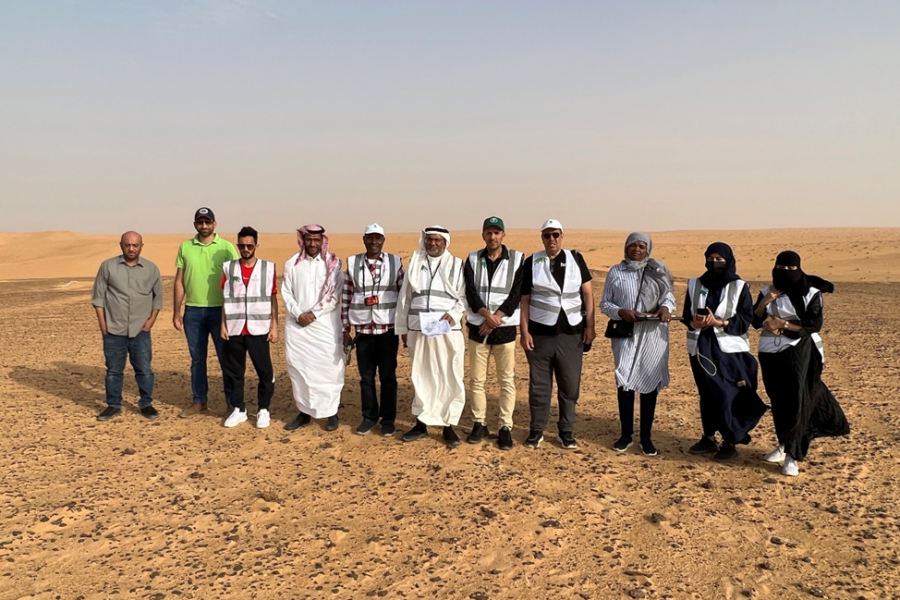
Desertification Control Policies are taking center stage in Saudi Arabia’s national agenda as the country unveils a comprehensive plan to combat one of its most pressing environmental challenges. With vast stretches of land vulnerable to degradation due to climate change, overgrazing, and urban expansion, the Kingdom is stepping up efforts to restore its natural ecosystems and safeguard the future of its environment.
The Ministry of Environment, Water, and Agriculture has issued a new framework that not only tackles desertification head-on but also aligns with the ambitious Saudi Vision 2030 goals. This plan is a major step toward sustainability, addressing both local needs and global climate commitments.
Why Desertification Matters in Saudi Arabia
Desertification is not just an environmental issue—it is a social and economic one as well. In Saudi Arabia, where the desert landscape dominates, soil erosion, deforestation, and the shrinking of fertile land are becoming more critical each year.
According to government estimates, large portions of agricultural land are at risk of losing productivity due to desertification. This directly threatens food security, water resources, and biodiversity, creating ripple effects across communities. Farmers struggle with declining soil quality, while urban areas face the consequences of dust storms and deteriorating air quality.
The introduction of new desertification control policies is, therefore, timely and essential. By addressing the root causes, the government hopes to mitigate risks and create a balance between development and conservation.
Key Features of the New Desertification Control Policies
The newly announced policies form a structured approach to fighting land degradation and protecting natural resources. They include:
- Reforestation Initiatives: Large-scale tree planting projects are planned across degraded lands to improve soil stability, restore greenery, and reduce carbon emissions.
- Sustainable Agriculture Programs: Farmers will be encouraged to adopt modern irrigation methods and soil management practices to reduce water wastage and enhance land productivity.
- Protected Areas Expansion: The Ministry plans to increase the number of protected natural reserves, ensuring biodiversity conservation and restricting harmful human activities.
- Community Engagement: Local communities will be involved in awareness campaigns, education programs, and training to ensure sustainable land practices.
- Research and Innovation: Collaboration with universities and international organizations will drive innovation in desertification control, focusing on smart farming technologies and drought-resistant crops.
These measures reflect a holistic strategy that goes beyond short-term fixes, aiming for long-lasting impact on both people and the environment.
Alignment with Saudi Vision 2030
Saudi Arabia’s desertification control policies are closely tied to Vision 2030, the national transformation plan designed to diversify the economy and improve the quality of life.
Vision 2030 emphasizes sustainability as a key pillar, and environmental protection plays a major role in this framework. By addressing desertification, the Kingdom is not only preserving its natural heritage but also supporting economic growth through eco-tourism, agriculture, and renewable energy sectors.
Moreover, these efforts align with global initiatives such as the United Nations Convention to Combat Desertification (UNCCD), showcasing Saudi Arabia’s commitment to international cooperation.
Environmental and Economic Benefits
The implementation of desertification control policies is expected to generate multiple benefits:
- Improved Food Security: Restoring fertile land will increase agricultural output and reduce reliance on food imports.
- Water Conservation: Sustainable irrigation practices will help manage scarce water resources more efficiently.
- Climate Change Mitigation: Reforestation projects will absorb carbon dioxide, contributing to global climate goals.
- Job Creation: Green initiatives will open up opportunities in forestry, agriculture, and environmental research, supporting economic diversification.
- Healthier Communities: Reduced dust storms and better air quality will improve public health outcomes.
These outcomes show that environmental policies are not just about nature—they are about people’s lives, well-being, and long-term prosperity.
Challenges in Implementation
While the new plan is ambitious, implementing desertification control policies in Saudi Arabia will not be without challenges.
- Water Scarcity: With limited freshwater resources, balancing irrigation needs with conservation will remain difficult.
- Rapid Urbanization: Expanding cities put pressure on natural landscapes, leading to more land degradation.
- Climate Variability: Rising temperatures and shifting rainfall patterns complicate restoration efforts.
- Community Participation: Ensuring that farmers, businesses, and local communities actively contribute will be crucial to success.
The Ministry has acknowledged these challenges and is working on adaptive strategies, including advanced water management systems and incentive-based programs for communities and businesses.
Global Significance of Saudi Arabia’s Efforts
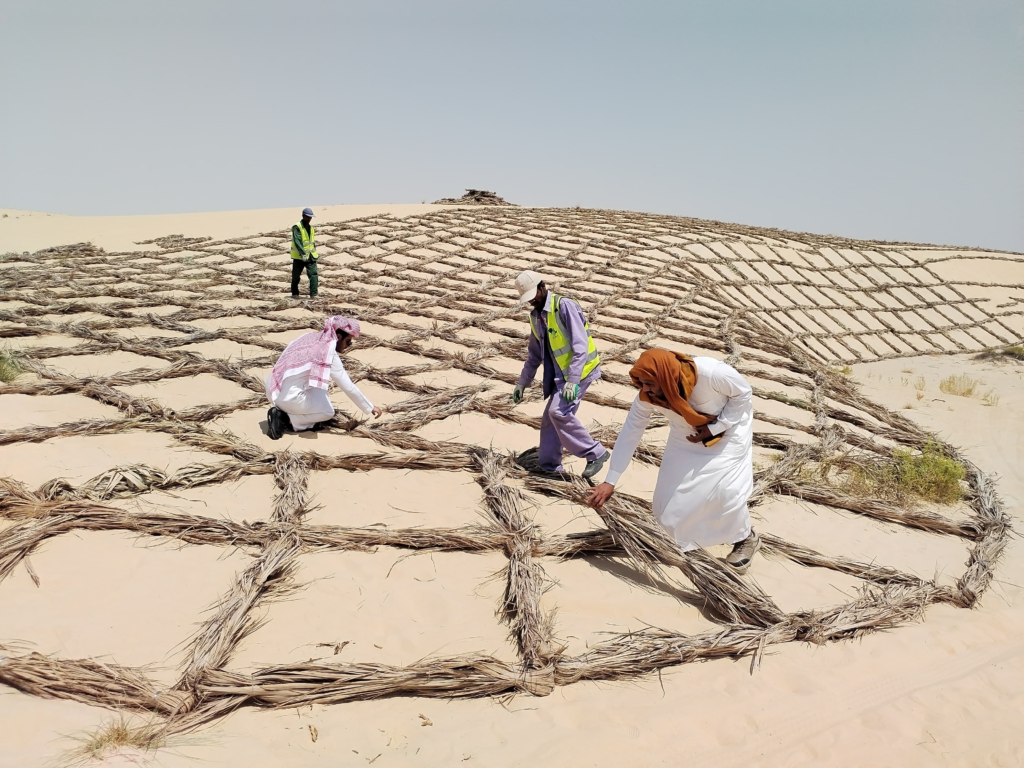
Saudi Arabia’s desertification control policies are not only important for the Kingdom but also carry regional and global significance. The Middle East is one of the most vulnerable regions to desertification, and Saudi Arabia’s leadership in this area could inspire neighboring countries to adopt similar measures.
By taking bold steps, the Kingdom is setting an example of how oil-producing nations can transition toward greener, more sustainable futures. Its initiatives contribute to broader global goals such as the Paris Agreement and the UN’s Sustainable Development Goals (SDGs).
Looking Ahead: A Greener Saudi Arabia
The Ministry’s new plan marks the beginning of a long-term journey. Desertification is a complex problem that requires persistence, innovation, and cooperation across all levels of society. Saudi Arabia is now positioning itself as a leader in environmental sustainability, proving that even desert nations can fight back against land degradation.
If these policies are effectively implemented, future generations will inherit not just deserts but also thriving ecosystems, fertile lands, and healthier communities. Saudi Arabia’s efforts could very well redefine the relationship between people and the environment in the region.
Conclusion
Desertification control policies in Saudi Arabia are more than just environmental regulations—they represent a vision for the country’s future. By restoring land, conserving water, and promoting sustainable practices, the Kingdom is addressing one of its most urgent challenges while building resilience for decades to come.
With determination, innovation, and global collaboration, Saudi Arabia is proving that the fight against desertification is not only possible but also essential for sustainable development. The new plan is a powerful statement of intent, one that could transform both the land and the lives of millions.
Do Follow Gulf Magazine on Instagram

