


Across the Gulf region, classrooms are undergoing a quiet but powerful transformation. Chalkboards are giving way to smart screens, heavy textbooks are being replaced by tablets, and traditional lectures are evolving into interactive, student-driven experiences. Digital classrooms are no longer a future ambition; they are a present-day reality reshaping how students learn, teachers teach, and institutions prepare young people for a rapidly changing world.
From Saudi Arabia’s Vision-led education reforms to the UAE’s globally connected smart schools, the Gulf has embraced digital learning with remarkable speed. What makes this transformation especially meaningful is not just the technology itself, but how it is being humanised—adapted to local cultures, languages, and aspirations while keeping students at the heart of the learning experience.
A Regional Shift Driven by Vision and Necessity
Education systems across the Gulf have long recognised that economic diversification depends on knowledge, innovation, and skills development. Digital classrooms emerged as a strategic response to this need. Governments invested heavily in education technology to ensure students are not only digitally literate but also capable of critical thinking, collaboration, and creativity.
The pandemic years accelerated this shift, but the momentum did not fade once classrooms reopened. Instead, blended and hybrid learning models became permanent features. Schools and universities discovered that digital tools could personalise learning, widen access, and make education more inclusive for students in both urban centres and remote areas.
What Defines a Digital Classroom Today
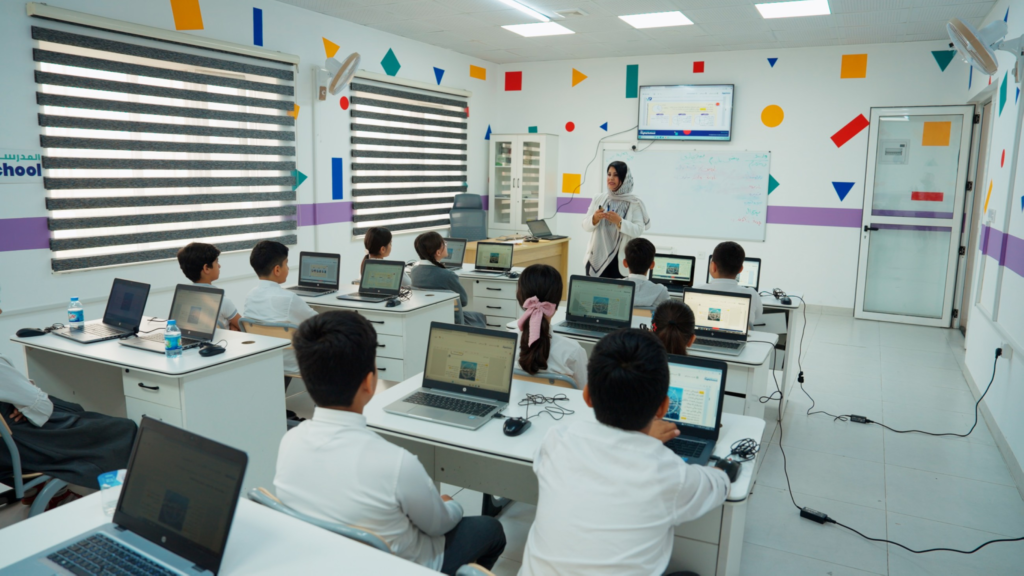
A digital classroom in the Gulf is more than a room with computers. It is an ecosystem where technology supports meaningful learning. Interactive whiteboards allow teachers to visualise complex concepts. Learning management systems help track student progress in real time. Artificial intelligence tools recommend personalised content based on each learner’s pace and strengths.
Students participate in live polls, collaborate on shared documents, and access recorded lessons anytime. Teachers, in turn, use data insights to adjust lesson plans and provide targeted support. The result is a more responsive, engaging, and student-centred environment that moves beyond one-size-fits-all education.
Empowering Teachers Through Technology
One of the most significant changes has been the evolving role of teachers. In digital classrooms, educators are no longer just content deliverers; they are facilitators, mentors, and guides. Technology frees them from repetitive tasks like grading and attendance, allowing more time for meaningful interaction with students.
Professional development programmes across the Gulf focus on digital pedagogy, helping teachers build confidence with new tools. Many educators now design interactive lessons, incorporate multimedia storytelling, and use virtual simulations to bring abstract ideas to life. This empowerment has renewed enthusiasm in the teaching profession and strengthened teacher-student relationships.
Personalised Learning for Diverse Student Needs
Every classroom includes students with different learning styles, abilities, and interests. Digital classrooms make it easier to meet these diverse needs. Adaptive platforms allow students to move at their own pace, revisit challenging topics, or explore advanced materials when ready.
For students with learning difficulties, digital tools offer accessibility features such as text-to-speech, adjustable fonts, and visual aids. Gifted learners benefit from enrichment programmes and global online competitions. This personalisation fosters confidence, reduces anxiety, and encourages students to take ownership of their learning journey.
Bridging Physical and Virtual Worlds
One of the most exciting aspects of digital classrooms in the Gulf is their ability to connect students beyond physical boundaries. Virtual classrooms bring together learners from different cities, countries, and cultures. Guest speakers from global universities and industries join lessons without travel barriers.
Science students conduct virtual lab experiments, while history classes explore immersive digital timelines and simulations. Language learners practise with native speakers through online exchanges. These experiences broaden perspectives and prepare students for a globally connected future while remaining grounded in local identity.
The Role of Parents in the Digital Learning Ecosystem
Digital classrooms have also transformed the relationship between schools and families. Parents now have greater visibility into their children’s progress through online dashboards and communication platforms. Assignments, attendance, and feedback are accessible in real time.
This transparency encourages stronger parental engagement and shared responsibility for learning. Many parents across the Gulf have embraced digital literacy themselves, attending workshops and adapting home routines to support online and blended education. The classroom no longer ends at the school gate; it extends into homes in meaningful ways.
Higher Education and Workforce Readiness
Universities across the Gulf are leveraging digital classrooms to align education with labour market needs. Online modules, virtual internships, and industry-led courses equip students with practical, job-ready skills. Fields such as data science, artificial intelligence, renewable energy, and fintech benefit particularly from digital learning environments.
Students collaborate on real-world projects, analyse live data, and engage with mentors from leading companies. This approach shortens the gap between education and employment, supporting national goals for innovation, entrepreneurship, and economic resilience.
Balancing Innovation with Wellbeing
While digital classrooms offer immense benefits, Gulf educators are increasingly mindful of student wellbeing. Screen time management, digital citizenship, and mental health awareness are now integral to education strategies. Schools encourage balance through blended learning, outdoor activities, and social interaction.
Teaching students how to use technology responsibly—ethically, safely, and mindfully—is considered just as important as technical skills. This holistic approach ensures that digital transformation enhances, rather than overwhelms, the learning experience.
Cultural Identity in a Digital Learning World
A key strength of digital classrooms in the Gulf is their ability to preserve and celebrate cultural identity. Arabic language content, regional history, and local values are integrated into digital curricula. Technology is used to document oral traditions, explore heritage sites virtually, and connect students with cultural experts.
This blend of modern tools and cultural authenticity reassures communities that innovation does not mean losing identity. Instead, it becomes a way to share and strengthen it across generations.
The Road Ahead for Digital Classrooms
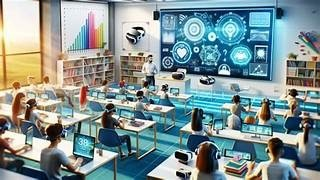
As technology continues to evolve, digital classrooms in the Gulf are expected to become even more immersive and intelligent. Virtual reality, augmented reality, and advanced AI will further personalise learning and simulate real-world environments. Data-driven insights will help educators identify gaps early and support students more effectively.
However, the true success of this transformation lies not in devices or software, but in people. The Gulf’s focus on humanising technology placing students, teachers, and families at the centre ensures that digital classrooms remain tools for empowerment, not replacement.
A Learning Revolution with a Human Touch
Digital classrooms are redefining education across the Gulf by making learning more inclusive, flexible, and future-ready. They reflect a region confident in its ambitions and committed to investing in its people. By blending innovation with empathy, tradition with technology, the Gulf is shaping an education model that prepares learners not just for exams, but for life.
Do follow Gulf Magazine on Instagram.
Also Read – Cross-Border Academic Partnerships Reshaping Gulf Education

