

Digital Education Goal for Gulf rural areas is set to transform the future of learning. Gulf governments have announced an ambitious plan to achieve 100% digital education access in rural communities by 2028. This move aims to close the digital divide and bring equal learning opportunities to every student—no matter where they live.
For years, rural areas in the Gulf have faced difficulties in accessing modern education. Limited internet, lack of digital tools, and outdated infrastructure have created a gap between urban and remote regions. Now, with the new Digital Education Goal, leaders across the Gulf are working toward a full digital shift that leaves no student behind.
Why This Digital Education Goal Matters
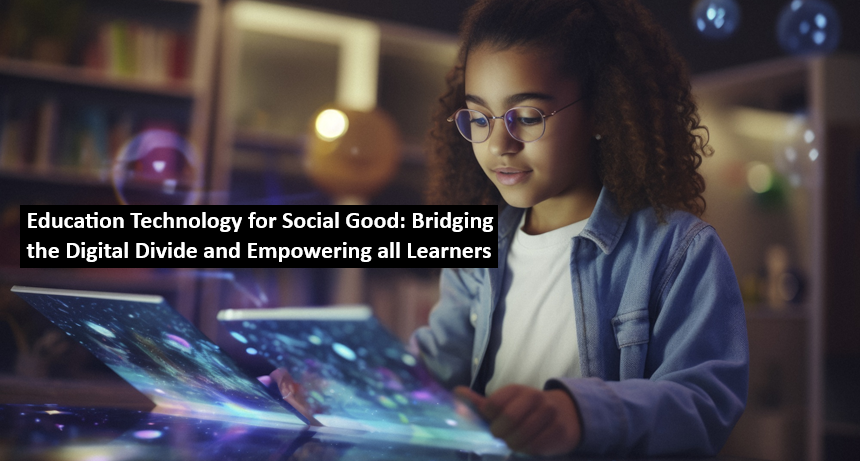
The world is moving fast toward digital learning. Countries globally are adopting smart classrooms, e-learning tools, and virtual education platforms. The Gulf region has made progress in cities, but rural areas still lag behind. This Digital Education Goal is designed to fix that imbalance.
By 2028, Gulf countries hope to see every rural school digitally connected, every student equipped with a device, and every teacher trained in digital teaching tools. The goal is not only to provide access but to ensure high-quality, tech-enabled education for all.
Key Features of the Digital Education Goal
The Digital Education Goal includes several major steps and investments:
- High-Speed Internet for All Schools
Governments are building infrastructure to provide high-speed internet access in even the most remote villages. - Devices for Every Student
Each student will receive a tablet or laptop to participate in e-learning. - Digital Training for Teachers
Special training programs are being launched to help teachers use online platforms, smart boards, and education apps effectively. - Centralized Learning Platforms
Gulf authorities are developing national online portals that offer lessons, exams, and interactive tools in local languages. - Monitoring Systems
Education departments will track progress using data analytics to ensure the Digital Education Goal stays on track.
Gulf Countries Leading the Charge
Each Gulf nation is contributing to the success of the Digital Education Goal:
- Saudi Arabia has introduced a large-scale initiative to digitize 100% of its public schools, including those in mountainous and desert regions. Smart classrooms are already active in pilot villages.
- United Arab Emirates (UAE) is expanding its e-learning systems beyond Dubai and Abu Dhabi to northern and rural emirates. Government projects now include digital literacy programs for both students and parents.
- Qatar is offering free internet and digital devices to students in remote areas through partnerships with telecom companies. A new national digital curriculum is under development.
- Oman and Bahrain are investing in rural broadband and launching mobile teaching units to reach students in difficult terrains.
These countries are working with international organizations, private companies, and local NGOs to make the Digital Education Goal a success.
Challenges on the Road to 2028
While the Digital Education Goal is inspiring, there are clear challenges:
- Infrastructure Gaps
Many rural areas still lack basic internet access and electricity, making digital transformation difficult. - Digital Literacy
Not all teachers and students are ready to switch to digital learning. Training and support will be critical. - Cost and Funding
Providing devices, internet, and software to every student requires major funding. Gulf nations must ensure sustainable budgets. - Cultural Resistance
In some areas, parents prefer traditional learning methods. Awareness campaigns will be necessary to gain trust.
Despite these hurdles, Gulf leaders remain optimistic. With strong political will and international support, the Digital Education Goal is seen as achievable.
Impact on Future Generations
Achieving the Digital Education Goal will have a deep impact on future generations. Students from rural areas will have the same opportunities as those in cities. They can access global knowledge, attend virtual classes, and even connect with teachers worldwide.
This shift will also help reduce dropout rates and improve overall academic performance. More importantly, digital access will prepare students for the modern job market, where digital skills are now essential.
Education experts say this move will also help empower rural girls, many of whom drop out due to lack of schools nearby. With online learning, they can study safely from home and access the same resources as boys.
Economic and Social Benefits

Reaching the Digital Education Goal won’t just improve education it will also boost the economy. Better-educated students mean a stronger workforce, more innovation, and reduced poverty in rural areas.
Moreover, as more people gain digital literacy, communities will grow more connected and informed. E-learning can also promote health awareness, social inclusion, and entrepreneurship.
The Gulf region could become a model for other developing regions, proving that rural areas can leap into the digital age with the right strategy.
Global Recognition and Partnerships
The Digital Education Goal has already gained international attention. Organizations like UNESCO, UNICEF, and the World Bank are showing support. Several tech giants have offered to collaborate on tools, software, and training.
These partnerships will be essential in reaching the 2028 deadline. They also ensure that Gulf countries follow global education standards while building local solutions.
Looking Ahead
With 2028 as the target year, Gulf countries have just a few years to bring the Digital Education Goal to life. Progress is already visible, but the real challenge is to maintain momentum, monitor outcomes, and adjust strategies when needed.
Education authorities are setting yearly targets, forming task forces, and involving communities to meet this historic goal. Experts say that if achieved, the Digital Education Goal could redefine education in the Gulf forever.
Final Words
The Gulf’s Digital Education Goal is a powerful vision that could change millions of lives. By focusing on inclusion, innovation, and access, Gulf nations are not just investing in technology—they’re investing in their people.
If they succeed, the 100% digital shift in rural education could be one of the most inspiring transformations in modern education history.
Also Read – Hidden Inequities in Gulf Education Hurt Millions in 2025

