


Digital health records and patient portals are transforming the healthcare experience in Qatar, bringing powerful improvements to both patient care and clinic efficiency. This article explores how Qatari clinics are harnessing these technologies, the benefits they deliver, and what the future may hold. Let’s dive in and humanise the impact on real patients and providers.
What Are Digital Health Records and Patient Portals?
Digital health records also known as electronic health records or EHRs are secure digital versions of patients’ paper charts. They provide comprehensive and up to date information such as medical history, medications, allergies, and test results accessible to authorized healthcare professionals.
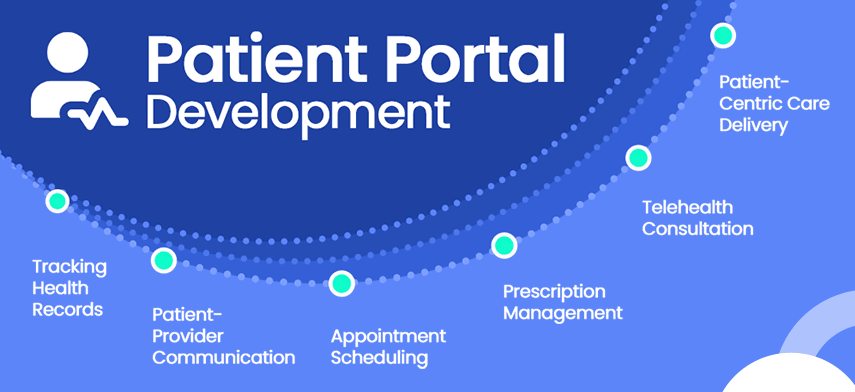
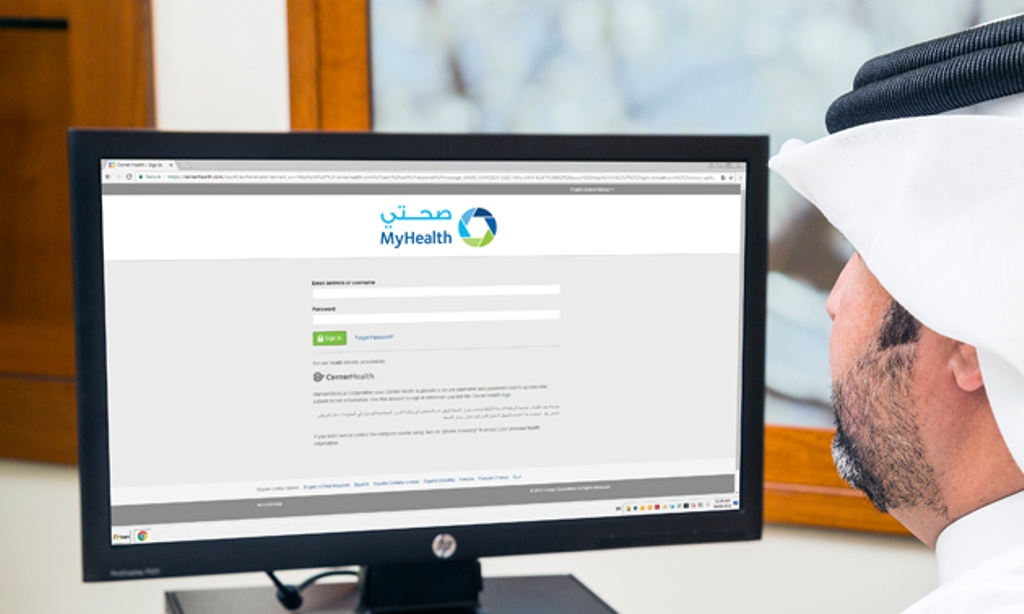
Patient portals are secure online platforms connected to those digital health records. Through them, patients can view their health information, schedule appointments, communicate with providers, access test results, and manage prescriptions all from their device. Together, EHRs and portals form a seamless modern bridge between patients and healthcare providers.
Why Qatar Is Investing in Digital Health Records
Qatar’s healthcare system is known for embracing innovation and investing in digital infrastructure. With rapid population growth and a focus on world class healthcare, the shift to electronic systems has been strategic.
This transition enables integrated, efficient, patient centred care, improves accuracy, reduces duplication and waste, and supports better decision making for doctors and nurses. For patients, the benefits are equally compelling.
How Patient Portals Improve Patient Experience
Patient portals humanize healthcare in Qatar by offering convenience, empowerment, and transparency.
Patients can access their medical information anytime before or after appointments reducing anxiety and improving understanding. They can also manage appointments online skipping lengthy phone calls, message providers with non urgent questions, and check lab or imaging results without waiting for office calls.
A sense of control and engagement emerges patients feel seen and heard, and they better understand their treatment plans. All of this builds trust and satisfaction.
Clinic Benefits Efficiency, Coordination, and Better Care
Clinics across Qatar benefit from streamlined workflows. With digital records, clinicians can access a full health history quickly, reducing mistakes and avoiding redundant tests. This speeds up diagnosis and treatment.
Coordination between departments such as primary care, radiology, lab services, and specialists is smoother. Notes and data get updated in real time, ensuring all caregivers see the same picture. Administrative burdens shrink as appointment bookings, reminders, billing, and follow ups are automated.
This frees up staff to focus more on patient needs and less on paperwork.
Real Patient Stories Humanizing the Impact
Consider Ahmed, a young professional in Doha. He was nervous waiting for blood test results after a rash appeared. Through the clinic’s portal, he saw the physician’s notes and lab results as soon as they were available. He messaged the doctor directly, got reassurance, and avoided extra visits feeling calm and informed well ahead of his next in person appointment.
Or Fatima, a senior citizen managing diabetes. She accesses her test history, medication schedule, and notes from nutrition counselings through her portal. Her daughter, with permission, logs in on her behalf to help manage doctors’ appointments and prescription refills from abroad. The ease and clarity reduce stress and support better health outcomes.
Security and Privacy Building Patient Trust
Qatar’s Ministry of Public Health and healthcare providers take data security very seriously. Sensitive health data is encrypted, access is controlled, and strict protocols protect patient privacy. Two factor authentication is often used to secure portal log ins.
Patients are informed of their rights, how their data is stored, and how it’s used. This transparency fosters trust, making patients more willing to engage with the system and derive its benefits.
Overcoming Challenges and Ensuring Accessibility
Introducing digital records and portals isn’t without hurdles. Some patients especially elderly or those less tech savvy may find it intimidating. Clinics address this by offering guidance and training at registration, providing printed instructions or one on one assistance.
There is also language diversity to consider. Many portals in Qatari clinics support multiple languages Arabic, English, and sometimes additional options so language barriers are minimised.
Connectivity issues or device access can also limit portal use. Clinics often provide on site kiosks or tablet stations in waiting areas so everyone has a chance to engage. Feedback loops help identify usability issues, and teams iterate designs to improve ease of use.
Training Clinicians Aligning Technology with Care
Healthcare professionals need training and ongoing support to effectively use EHRs and engage with patient portal messages. Qatar invests in clinician education, workshops, and continual improvement programs to ensure the technology enhances not hinders the patient clinician relationship.
Clinicians learn to review inbox messages efficiently, send clear replies, and integrate portal based patient communication into their workflow. This helps patients feel heard and cared for without overwhelming clinicians.
Improving Clinical Outcomes Data Driven Benefits
When patient histories are complete, data is accessible, and communication flows clearly, clinical outcomes improve. Better follow up on chronic disease management, more accurate diagnoses, fewer medication errors, and better preventive care are all proven benefits.
Digital health records enable population level analysis, helping clinics identify local health trends, anticipate needs, and allocate resources effectively. These insights support proactive care plans and better health across the community.
Scaling to National Integration and Telehealth
Qatar aims for nation wide integration of digital health records across public and private providers through initiatives like the integrated health records platform. This enables greater coordination and continuity of care as patients move between facilities.
Health services are often built on top of these digital foundations. Patients can consult specialists remotely, upload health data like glucose readings, and share digital records seamlessly creating more access and convenience especially for those living outside Doha city centre.
Patient Empowerment and Future Innovation
Patient portals go beyond viewing information they offer tools such as education modules, reminders for preventive screenings, medication adherence prompts, and even lifestyle tracking.
Future enhancements may include AI powered health summaries, predictive alerts, or personalised wellness coaching. These innovations will further humanise care, helping patients navigate health proactively.
What Patients Can Do to Maximize Portal Use
Patients in Qatar can take simple steps to benefit fully
- Sign up at your clinic and verify your identity for secure access
- Set preferences language, notification method such as SMS or email
- Explore the portal view your history, lab tests, and appointments
- Use secure messaging for non urgent questions
- Enable reminders for medications or screening tests
- Keep login credentials private and update passwords regularly
What Providers Should Prioritize
For clinics implementing or improving systems
- Offer clear onboarding guidance and multilingual support
- Provide accessible training for staff and clinicians
- Continuously gather user feedback and iterate
- Focus on UX design to ensure portals are intuitive
- Set up robust security and privacy mechanisms
- Measure outcomes both patient satisfaction and clinical impact
Looking Ahead Next Generation Digital Health
As technology evolves, Qatari clinics may integrate wearable data, telemedicine, AI driven health coaching, and ecosystems linking fitness, nutrition, and medical data. Patient portals will become personalise health hubs, guiding users toward better habits and early interventions.
With vision and care, these systems will deepen the human centred nature of medicine supporting patients not just as data points, but as people.
Conclusion
In Qatar, the digital transformation of health records and patient portals is not just technical it is profoundly human. These systems empower patients like Ahmed and Fatima, strengthen the capacities of clinics, and improve outcomes across the population.
By blending security, usability, and compassionate practice, Qatar’s clinics are leading the way in modern patient first healthcare. The future is bright, and every patient with portal access now has more clarity, connection, and control in their healthcare journey.
Embrace the portal. Engage with your record. Experience the positive power of digital health in Qatari clinics today.
Do follow Gulf Magazine on Instagram.
Also Read – AI Chatbots Supporting Tourism and Event Visitors in Qatar

