

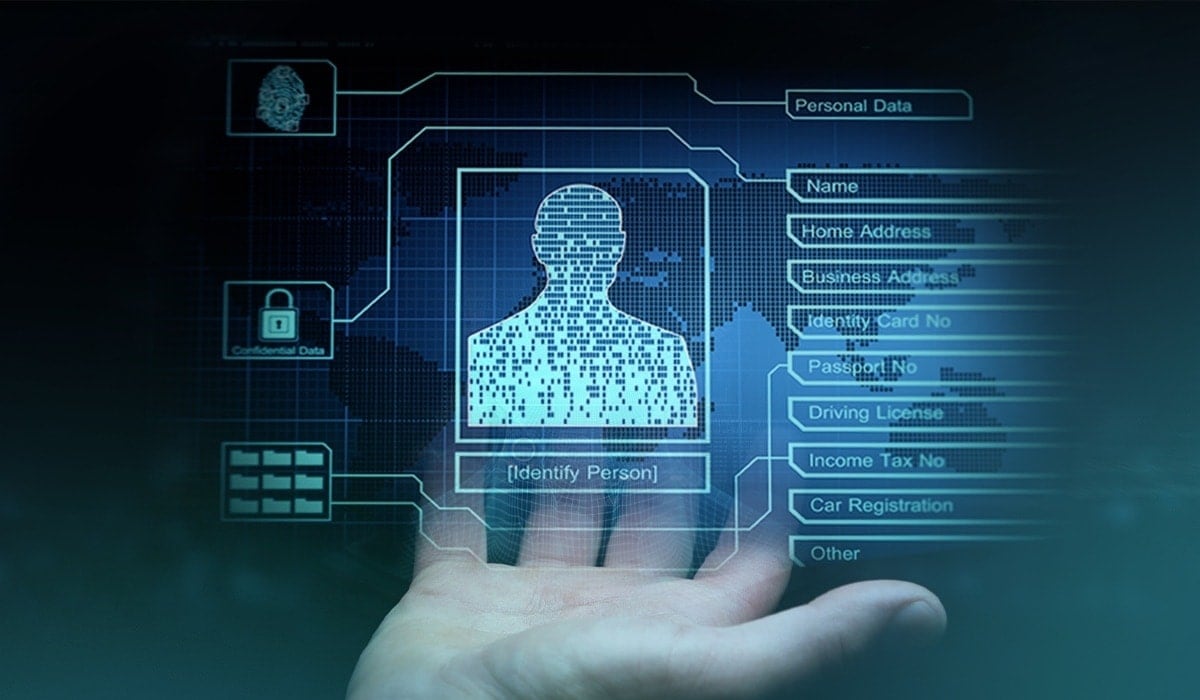
In this fast-paced digital age, the way we interact with government services is evolving rapidly. The concept of a Digital ID is at the forefront of this transformation, providing a seamless way for citizens to access e-services and government apps. Understanding these elements will empower you to navigate this new landscape with ease.
What is a Digital ID and Why Does It Matter?
A Digital ID is a secure online representation of an individual’s identity. It allows users to authenticate themselves digitally, streamlining access to various e-services provided by government agencies. This means no more long queues at local offices or endless paperwork. With a Digital ID, you can manage everything from tax filings to healthcare services with just a few clicks.
The significance of a Digital ID cannot be overstated. It enhances security and privacy, reducing the risk of identity theft. Additionally, it promotes efficiency in government operations, allowing agencies to serve the public better and faster. As the world shifts toward digital solutions, having a Digital ID becomes essential for every citizen.
E-Services: Your Gateway to Convenience
E-services refer to the online services offered by government entities that facilitate various transactions. With a Digital ID, accessing these e-services becomes a breeze. You can think of e-services as the digital equivalent of traditional services but with far greater convenience.
Imagine being able to apply for permits, renew licenses, or even register for social services without leaving your home. E-services are designed to save time and reduce bureaucracy. They are available 24/7, allowing you to complete tasks at your convenience. This flexibility is particularly beneficial for those with busy schedules or mobility challenges.
Government Apps: The Future of Civic Engagement
Government apps are mobile applications developed to make interactions with government services more accessible and user-friendly. These apps often integrate with Digital IDs, offering secure access to various e-services right from your smartphone. Whether you want to check your tax status or report a civic issue, government apps empower you to engage with your local authorities effortlessly.
The rise of government apps is revolutionizing how citizens interact with their governments. They serve as a direct link between the public and government agencies, fostering greater transparency and accountability. With user-friendly designs and intuitive interfaces, these apps are not only functional but also enhance the overall experience of civic engagement.
How Digital ID Enhances Security and Trust
Security is a fundamental concern when it comes to online services. Digital IDs are designed with multiple layers of security to ensure that your personal information remains protected. This includes encryption, multi-factor authentication, and biometric verification. These measures instill trust among users, making them more likely to utilize e-services and government apps.
When citizens feel secure using Digital IDs, they are more inclined to engage with e-services. This increased participation can lead to more efficient government operations and better service delivery. Ultimately, a robust Digital ID system fosters a culture of trust between citizens and their governments.
The Benefits of a Unified Digital Ecosystem
A unified digital ecosystem, where Digital IDs, e-services, and government apps work in harmony, offers numerous advantages. It simplifies processes and reduces redundancies, leading to cost savings for both the government and citizens. This ecosystem also enables better data collection and analysis, allowing governments to make more informed decisions and tailor services to meet the needs of their populations.
Moreover, a unified system promotes inclusivity. Individuals from diverse backgrounds can access services that may have been previously out of reach. By breaking down barriers, governments can ensure that all citizens benefit from the advantages of digital services.

Challenges and Considerations of Digital IDs
While the benefits are compelling, the implementation of Digital IDs and associated e-services is not without challenges. Concerns about privacy, data security, and digital literacy must be addressed to make the system effective. Citizens need assurance that their information will be handled responsibly and securely.
Additionally, accessibility is key. Not everyone has equal access to technology or the internet, which can create disparities in service availability. Governments must work to ensure that all citizens, regardless of their technological capabilities, can benefit from these advancements.
The Future of Digital ID and Government Services
Looking ahead, the future of Digital IDs and government services appears promising. As technology continues to evolve, we can expect even more innovative solutions that enhance user experience and service delivery. Governments around the world are recognizing the importance of digital transformation, and the integration of Digital IDs into everyday life is likely to become even more prevalent.
Future developments may include the use of advanced technologies like artificial intelligence and blockchain to further enhance security and efficiency. As these technologies mature, they could lead to even more streamlined processes and improved citizen engagement.
Conclusion: Embrace the Digital Transformation
In conclusion, understanding Digital IDs, e-services, and government apps is crucial in today’s digital world. They represent a shift toward more efficient, secure, and user-friendly interactions with government services. Embracing these technologies not only simplifies your life but also contributes to a more responsive and accountable government.
As we move forward, it’s essential to stay informed and engaged with these developments. The future is bright for Digital IDs and e-services, and your participation can help shape a more efficient and inclusive society.
Do follow Gulf Magazine on Instagram.
Also Read – Why Expats Get Fines Without Knowing in Gulf Countries

