

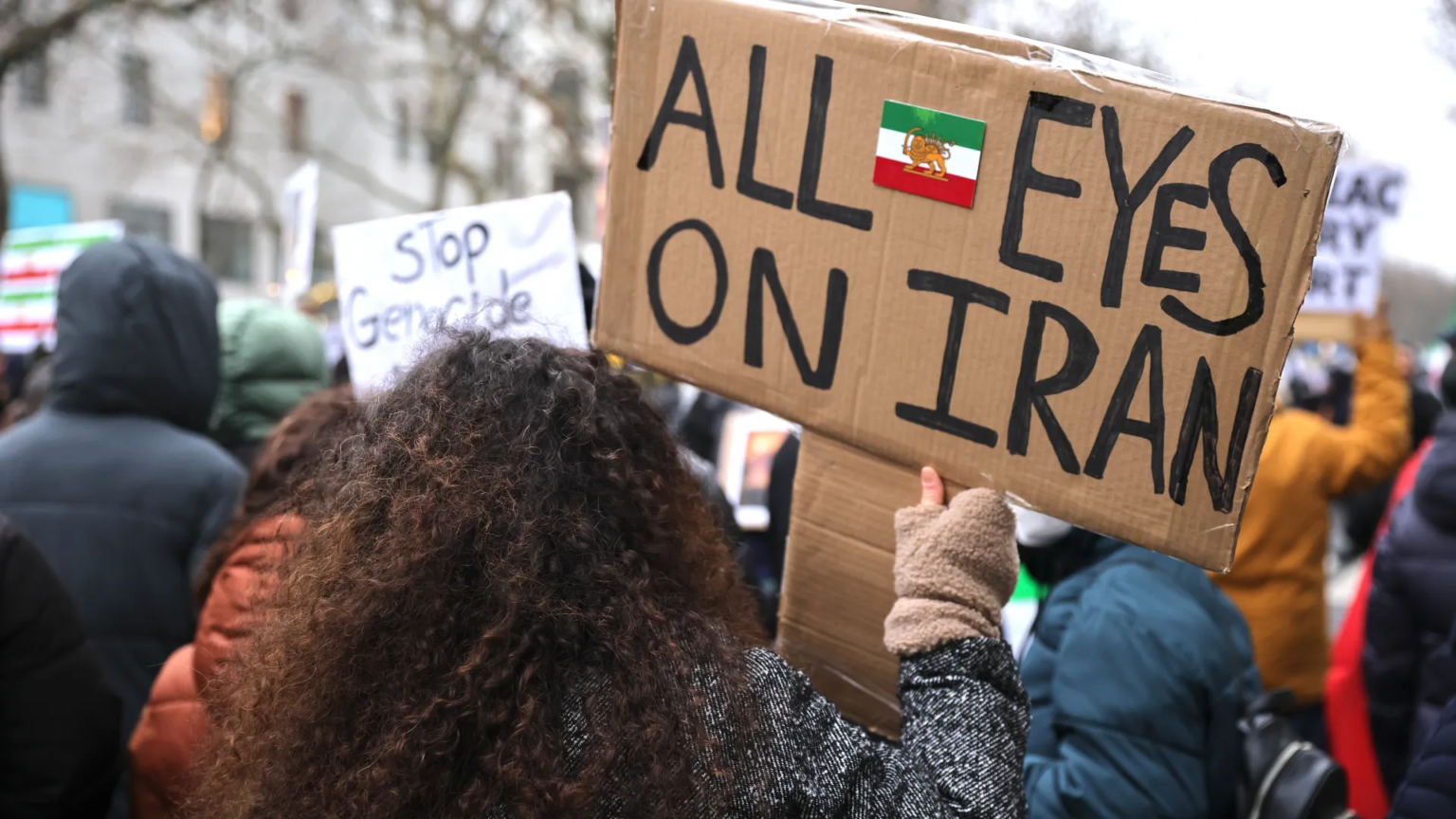
The delicate balance between diplomacy and deterrence is being tested once again as the United States and Iran engage in a high-stakes confrontation in the Middle East. After recent peace talks, American envoys visited a US warship in a show of strength, prompting Iran to issue stern warnings against US military presence. This sequence of events highlights the complex interplay of negotiation and military signaling that defines modern international relations in the region.
US Envoys Visit Warship: A Strategic Signal
The visit of American envoys to a US warship has been widely interpreted as a message of deterrence. While peace talks were ongoing, the US made a visible demonstration of its military readiness in the Gulf, signaling to Iran that diplomacy is accompanied by a readiness to defend its interests. Such actions are not merely symbolic; they reflect a calculated effort to maintain leverage while negotiations continue.
For US policymakers, this approach serves multiple purposes. It reassures allies in the region that the United States remains committed to their security. It also communicates to Iran that while dialogue is possible, aggressive actions will meet swift responses. In the world of international diplomacy, these signals are as important as the conversations held behind closed doors.
Iran’s Warning: Escalating Rhetoric
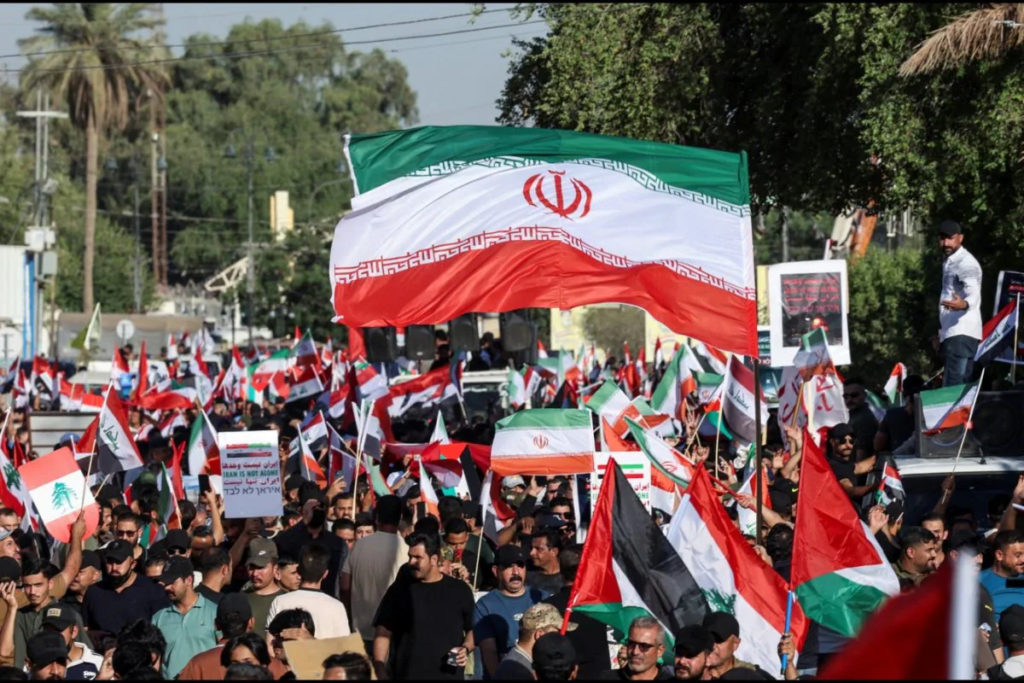
In response, Iranian officials issued a stark warning that American bases in the region could face attacks. This declaration underscores Tehran’s determination to assert its influence and signal its unwillingness to accept pressure passively. The rhetoric serves both domestic and international purposes. Domestically, it strengthens the perception of Iranian resilience and sovereignty. Internationally, it reminds global actors that any miscalculation could escalate into a broader conflict.
Such statements are carefully calibrated to project power without crossing red lines that could trigger immediate retaliation. Analysts suggest that Iran’s warnings are aimed at maintaining its negotiating position while deterring further US military posturing.
The Fine Line Between Diplomacy and Confrontation
The US-Iran dynamic is a textbook case of the fine line between diplomacy and confrontation. On one hand, peace talks indicate a willingness to resolve conflicts through dialogue. On the other, military displays and verbal threats highlight the persistent risk of escalation. This duality is characteristic of high-stakes international relations where trust is limited, and every action is scrutinized for hidden messages.
Historically, both countries have engaged in cycles of negotiation and deterrence. Peace efforts often coexist with shows of military power, as each side seeks to strengthen its bargaining position. In the current scenario, the visit to the warship serves as a tangible reminder that diplomacy does not equate to weakness.
Regional Implications: Allies and Adversaries
The unfolding situation has significant implications for the Middle East. US allies in the Gulf view the show of force as reassurance against potential Iranian aggression. Countries like Saudi Arabia, the United Arab Emirates, and Israel closely monitor these developments, balancing their own security interests with the need to support diplomatic channels.
Meanwhile, Iran’s warnings place regional actors in a delicate position. Nations must gauge the credibility of Tehran’s threats while avoiding actions that could escalate tensions further. The situation underscores the interconnected nature of regional security, where local conflicts have global repercussions.
International Reactions: A Watchful World
The global community is closely observing the confrontation. While many countries advocate for continued dialogue, there is widespread recognition that missteps could spark a broader crisis. International stakeholders are calling for restraint, emphasizing the importance of maintaining channels of communication even amid threats and military posturing.
Experts argue that successful diplomacy requires both sides to interpret signals correctly. Misreading either the US show of force or Iran’s warnings could lead to unnecessary escalation. In such high-stakes environments, clarity, caution, and strategic patience are critical.
Looking Ahead: Will Diplomacy Prevail?
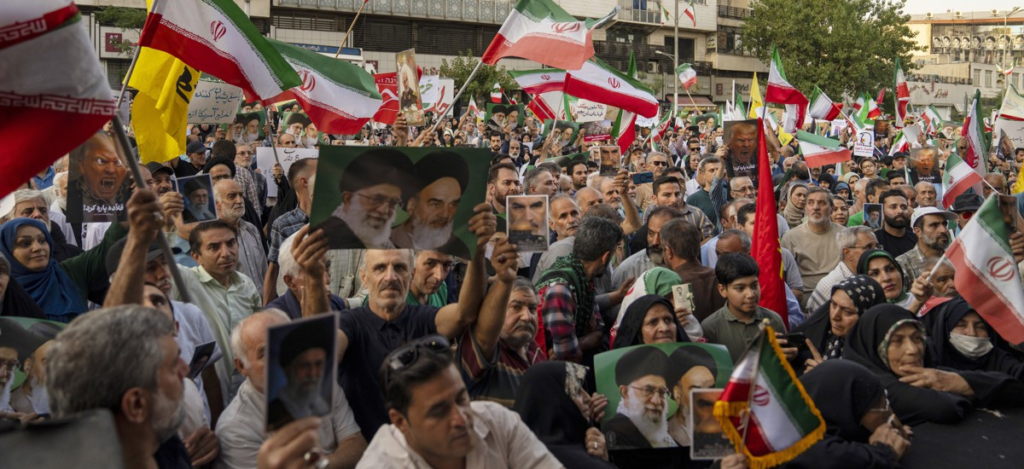
The ultimate question remains: can diplomacy overcome the shadow of deterrence? While the visit to the warship and Iran’s warnings may seem like steps toward confrontation, they also create an environment where negotiation is unavoidable. Both sides are reminded that miscalculations carry heavy costs.
For policymakers, the challenge lies in balancing pressure with dialogue. Maintaining open communication channels while signaling strength is a delicate art that requires careful planning and foresight. The coming weeks will likely determine whether this episode leads to further escalation or a renewed opportunity for peaceful resolution.
Conclusion: A Tense Dance Between Peace and Power
The US-Iran situation exemplifies the tension between diplomacy and deterrence. Peace talks coexist with military demonstrations, and warnings are paired with negotiation offers. The interplay of power and dialogue shapes the trajectory of international relations in the region.
Ultimately, the path forward will depend on strategic patience, careful interpretation of signals, and a shared understanding of the high stakes involved. In the shadow of potential conflict, diplomacy remains the most promising, though fragile, avenue toward stability.
Do Follow Gulf Magazine on Instagram
Read More:- Qatar Accelerates Massive LNG Expansion for Global Energy Leadership 2026

