

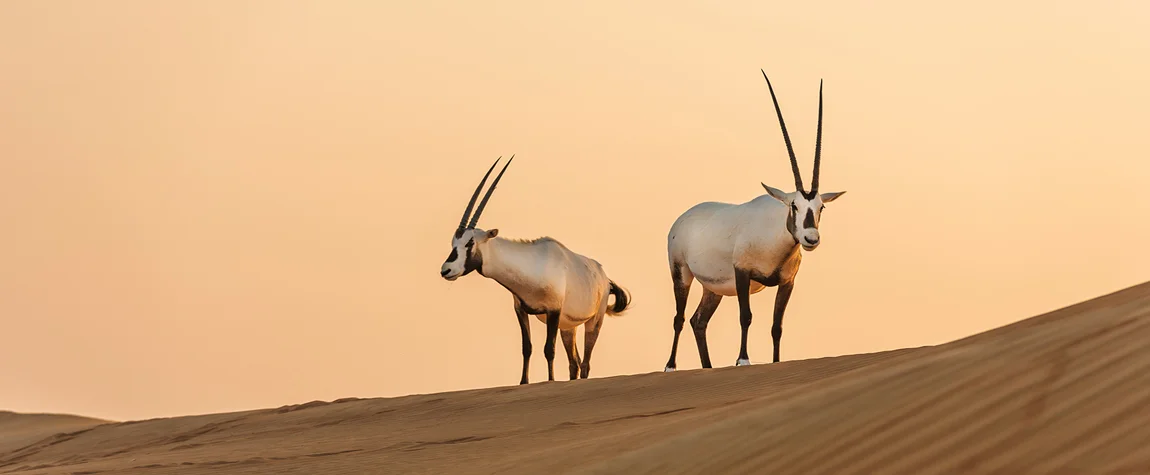
Oman, a land of rugged mountains, vast deserts, and pristine coastlines, offers a sanctuary for some of the world’s most remarkable wildlife. From the elusive Arabian leopard to the majestic Arabian oryx, the Sultanate’s commitment to preserving its natural heritage is evident in its expansive national parks and nature reserves. These protected areas not only safeguard biodiversity but also provide a haven for eco-tourism enthusiasts seeking authentic encounters with nature.
Oman’s Rich Biodiversity
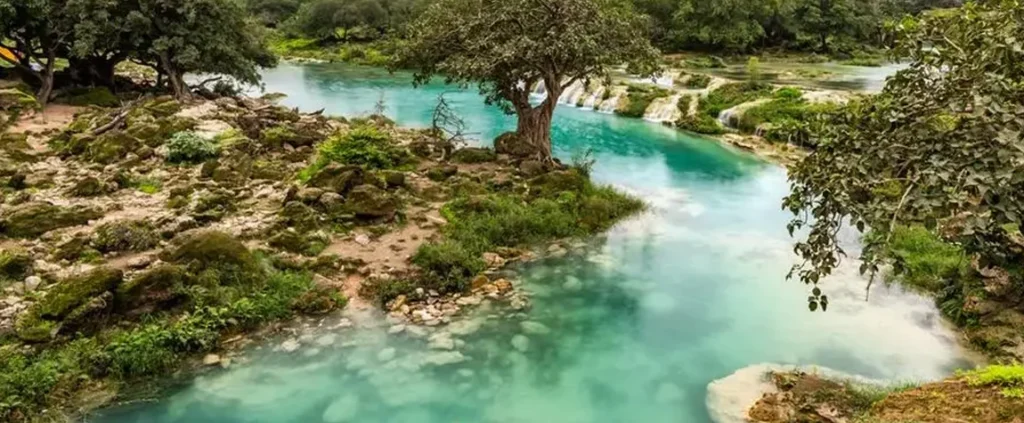
Oman’s diverse ecosystems are home to a plethora of species, many of which are endemic or rare. The country’s varied landscapes, ranging from the towering peaks of the Al Hajar Mountains to the serene beaches of the Arabian Sea, create habitats for a wide array of wildlife. Notable species include the Arabian leopard, Arabian oryx, Nubian ibex, and the endangered green sea turtle. The country’s commitment to conservation ensures that these species continue to thrive in their natural habitats.
Al Saleel National Park: A Woodland Oasis
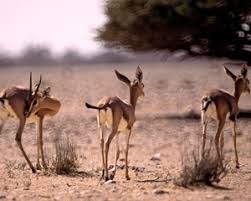
Located in the Sharqiyah region, Al Saleel National Park spans over 220 square kilometers of acacia woodlands. This park serves as a critical refuge for species such as the Arabian gazelle and the Omani wildcat. The park’s diverse habitats, including rolling hills and wadis, support a rich ecosystem of flora and fauna, making it a vital area for biodiversity conservation.
Jabal Samhan Nature Reserve: The Leopard’s Last Refuge
In the Dhofar Governorate, the Jabal Samhan Nature Reserve covers an impressive 4,500 square kilometers. This reserve is one of the last strongholds for the critically endangered Arabian leopard. The rugged terrain and remote location provide a sanctuary for these elusive cats, as well as other species like the Nubian ibex and Arabian wolf. The reserve’s commitment to conservation efforts plays a crucial role in the survival of these species.
Al Wusta Wildlife Reserve: A Desert Sanctuary
Situated in the central desert region, the Al Wusta Wildlife Reserve is a vital area for the conservation of desert-adapted species. The reserve provides a safe haven for the Arabian oryx, which was once declared extinct in the wild but has been successfully reintroduced through dedicated conservation programs. The reserve’s efforts highlight the importance of habitat restoration and species reintroduction in conservation strategies.
Ras Al Jinz Turtle Reserve: Protecting Marine Life
On the eastern coast, the Ras Al Jinz Turtle Reserve is a significant nesting site for green sea turtles. The reserve’s conservation initiatives focus on protecting nesting sites, monitoring hatchling success, and educating the public about the importance of marine conservation. This reserve underscores Oman’s commitment to preserving its marine biodiversity and ensuring the survival of endangered species.
Dimaniyat Islands Nature Reserve: A Marine Paradise
Off the coast of Muscat, the Dimaniyat Islands Nature Reserve comprises nine islands and surrounding waters. Recognized for their rich marine biodiversity, the islands are home to various species of seabirds, fish, and coral reefs. The reserve’s protection ensures that these ecosystems remain undisturbed, offering opportunities for sustainable eco-tourism and marine research.
Al Hoota Cave: A Subterranean Ecosystem
Located in the Al Hajar Mountains, Al Hoota Cave is a unique ecosystem that supports over 100 species, including the Omani blind cave fish. The cave’s delicate environment is protected to maintain its ecological balance. Visitors can explore this subterranean world, gaining insight into the complex interactions of cave-dwelling organisms and the importance of preserving such habitats.
Conservation Efforts and Challenges
Oman’s commitment to conservation is reflected in its establishment of protected areas and active management strategies. However, challenges such as habitat destruction, poaching, and climate change pose ongoing threats to biodiversity. Collaborative efforts between government agencies, conservation organizations, and local communities are essential to address these challenges and ensure the long-term preservation of Oman’s natural heritage.
Eco-Tourism: Experiencing Nature Responsibly
Eco-tourism in Oman offers visitors the chance to experience its natural wonders while contributing to conservation efforts. Responsible tourism practices, such as minimizing environmental impact, supporting local communities, and respecting wildlife, are encouraged. By choosing eco-friendly travel options, visitors can enjoy Oman’s beauty while helping to protect it for future generations.
Conclusion
Oman’s national parks and nature reserves are not just protected areas; they are living testaments to the country’s dedication to preserving its rich biodiversity. Through ongoing conservation efforts and sustainable tourism practices, Oman continues to safeguard its natural heritage, ensuring that its wildlife and ecosystems thrive for generations to come. Whether you’re an avid nature enthusiast or a casual traveler, exploring Oman’s wild side offers an unforgettable journey into the heart of the Arabian Peninsula’s natural beauty.
Do follow Gulf Magazine on Instagram.
Also Read – Camels: The Heartbeat of Oman’s Heritage and Spirit

