

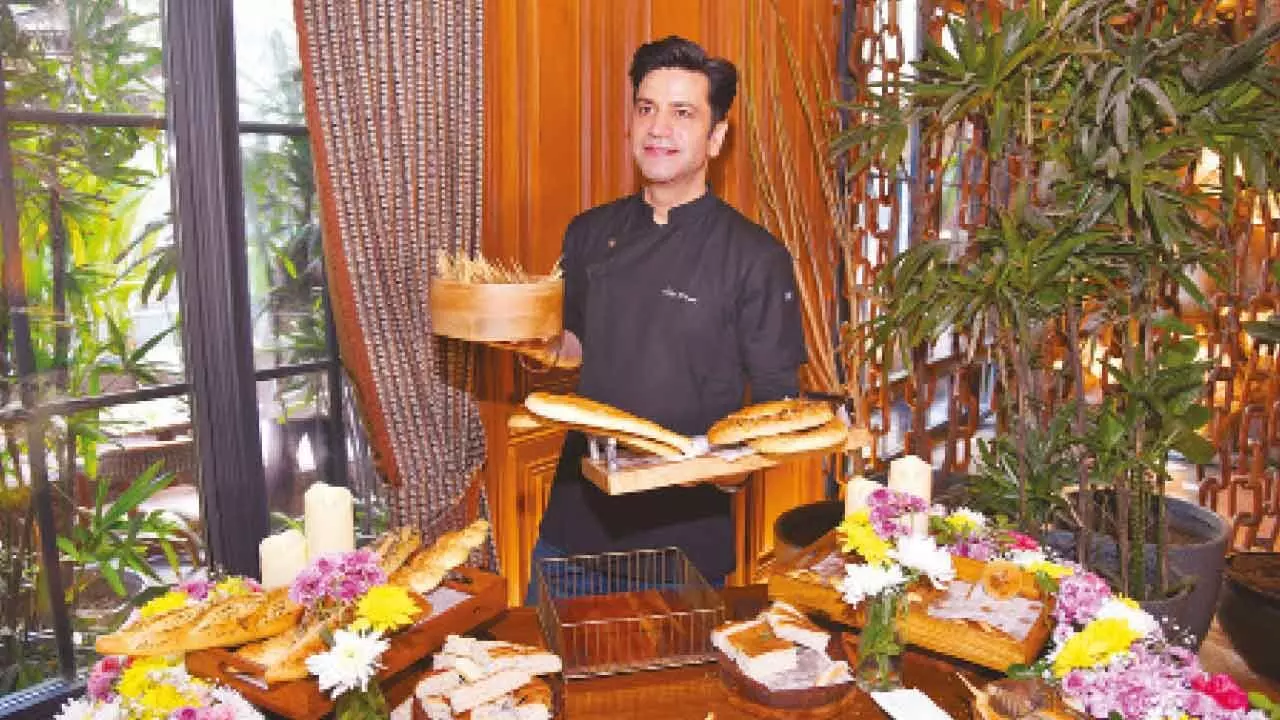
Sitting at a Saudi table is unlike any ordinary dining experience. Here, a meal is more than just sustenance it’s a carefully crafted story, a journey through centuries of history, and a reflection of the values and traditions that define a nation. Each dish, each spice, and even the way food is shared serves as a gateway to understanding the heart of Saudi culture.
The moment a guest steps into a home in Saudi Arabia, the aroma of simmering spices and fresh breads offers an immediate invitation to partake not just in a meal, but in a ritual that honors hospitality above all else. The table becomes a place where stories are told, relationships are strengthened, and a deeper understanding of the culture is served alongside every dish.
The Art of Saudi Hospitality
Hospitality in Saudi Arabia is a sacred practice. A Saudi meal is not merely about eating; it is about welcoming, honoring, and showing generosity. Hosts go to great lengths to ensure that every guest feels valued, often presenting dishes in elaborate displays and offering the best portions to their visitors. This tradition reflects a deeply ingrained cultural principle: a guest is a blessing, and the act of feeding is an expression of respect and warmth.
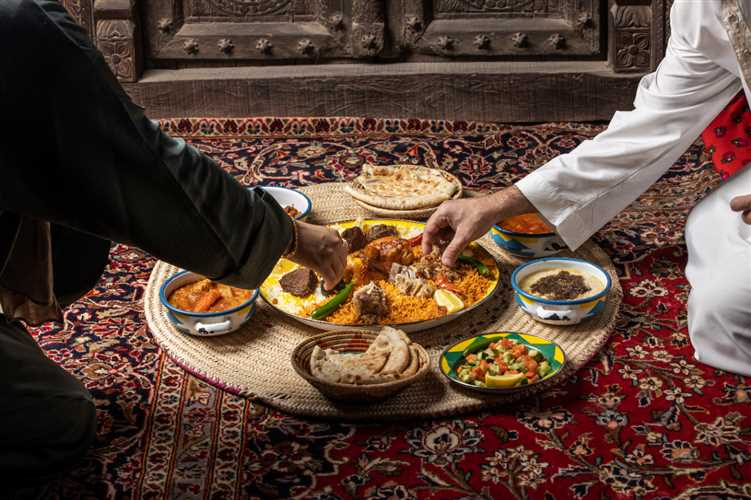
In many households, the centerpiece of the meal is more than a plate of food it is a symbol of unity. Families gather around large platters, sharing rice, meat, and aromatic spices in a communal experience that emphasizes togetherness. This sharing is not just physical but also symbolic, representing the bonds that tie communities together.
Flavors That Tell Stories
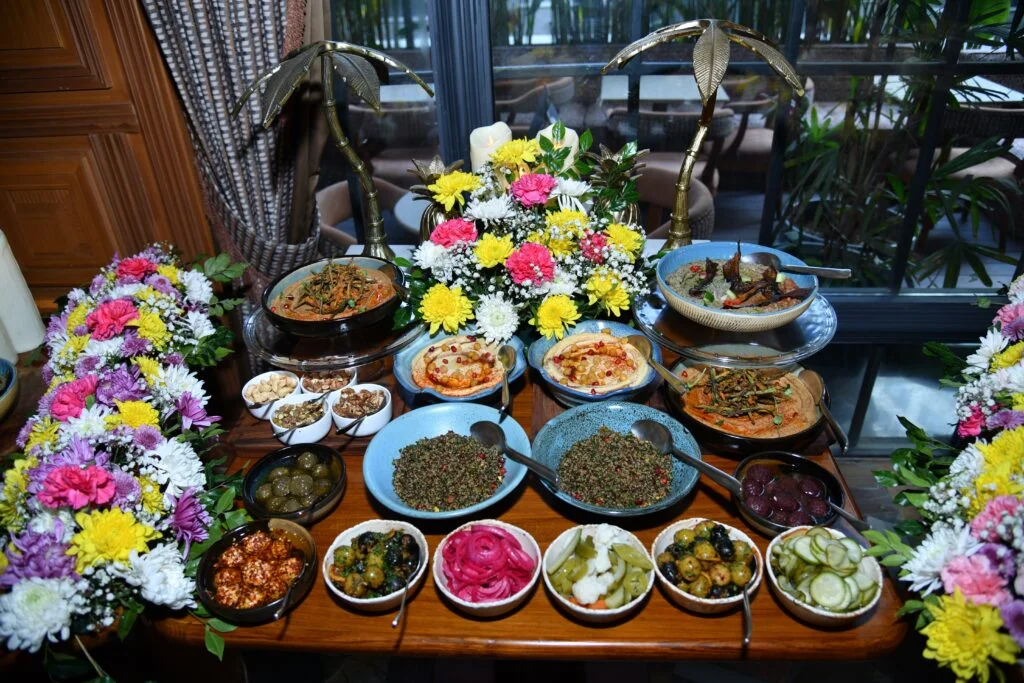
Every ingredient in Saudi cuisine carries a story. Dates, for instance, are more than a sweet treat; they are a symbol of prosperity, endurance, and generosity. Spices such as saffron, cardamom, and cinnamon are carefully selected to create layers of flavor, mirroring the complexity and richness of Saudi history. Traditional dishes like kabsa, mandi, and jareesh are not only culinary delights but also cultural texts, each bite narrating tales of desert life, trade routes, and family legacies.
The preparation of food itself is a lesson in cultural preservation. Recipes are passed down through generations, often orally, maintaining not just flavors but the wisdom and techniques of ancestors. Cooking is an act of storytelling, a way to honor heritage while inviting guests into the narrative of a family and a nation.
Rituals Around the Table
Eating in Saudi Arabia is accompanied by rituals that reflect reverence for both food and fellowship. Meals often begin with Arabic coffee and dates, a gesture that symbolizes hospitality and respect. The act of serving food is also ceremonial. Elders are often offered the first portions, highlighting the value placed on experience and wisdom.
Seating arrangements are deliberate and meaningful, reflecting social hierarchies and familial bonds. Conversation flows naturally around the table, moving from lighthearted anecdotes to discussions of history, religion, and tradition. In this way, the table becomes a microcosm of Saudi society, where culture is not just observed but actively lived.
Food as a Cultural Compass
Through its cuisine, Saudi Arabia offers a unique lens into its regional diversity. The flavors and techniques vary from city to city and region to region, reflecting the geographical, historical, and social influences that have shaped the nation. Coastal areas boast dishes rich in seafood, while the desert interiors favor hearty rice and meat dishes. Each meal serves as a map, guiding diners through the country’s landscape, history, and traditions.
Local markets and street vendors also contribute to this cultural map, offering foods that are deeply rooted in their respective communities. From the tangy and spicy flavors of Jeddah’s coastal kitchens to the savory, slow-cooked delicacies of Riyadh, every bite provides insight into the distinct character of each region.
Beyond the Plate: Connection and Community
At the heart of the Saudi meal is a commitment to human connection. Sharing food is a universal language, and in Saudi Arabia, it is a conduit for forging relationships, showing respect, and celebrating life’s milestones. Weddings, religious festivals, and family gatherings revolve around shared meals, reinforcing the bonds of community and continuity.
For visitors, these meals offer an immersive experience, providing more than just taste they provide understanding. Sitting at a Saudi table allows one to witness firsthand the values of generosity, respect, and warmth that permeate daily life. It is an education in culture, served in a format everyone can understand: through food, conversation, and shared experience.
A Table That Speaks Volumes
Every meal at a Saudi table is an invitation to observe, listen, and participate. The food tells stories of trade routes that brought spices from far-off lands, of nomadic tribes that shaped communal dining practices, and of families who preserved traditions through generations. It is a living narrative, where culture is expressed not in words alone but in flavor, aroma, and ritual.
The Saudi table reminds us that food is never just about nourishment. It is a reflection of identity, a testament to history, and a celebration of community. It teaches that culture can be tasted, felt, and experienced in ways that transcend language, offering visitors a profound understanding of the people and the values that define Saudi Arabia.
Embracing the Cultural Feast
To dine at a Saudi table is to embark on a cultural journey. It is an experience that connects the present with the past, the individual with the community, and the foreigner with the essence of the nation. Each bite, each gesture, each shared moment is a lesson in empathy, generosity, and human connection.
In a world often divided by differences, the Saudi table stands as a reminder of what unites us all. It is a space where stories are exchanged, traditions are honored, and the simple act of sharing a meal becomes a powerful declaration of cultural identity.
By the end of a meal in Saudi Arabia, one realizes that they have done more than just eat—they have traveled through history, walked through regions, and felt the heartbeat of a nation. The table, after all, is not just a place to sit; it is a map, a guide, and a storybook, all served alongside the warmest hospitality one could imagine.
Do follow Gulf Magazine on Instagram.
Also Read – Investing in National Shipping Company Saudi Arabia: 104% Gain in 3 Years

