

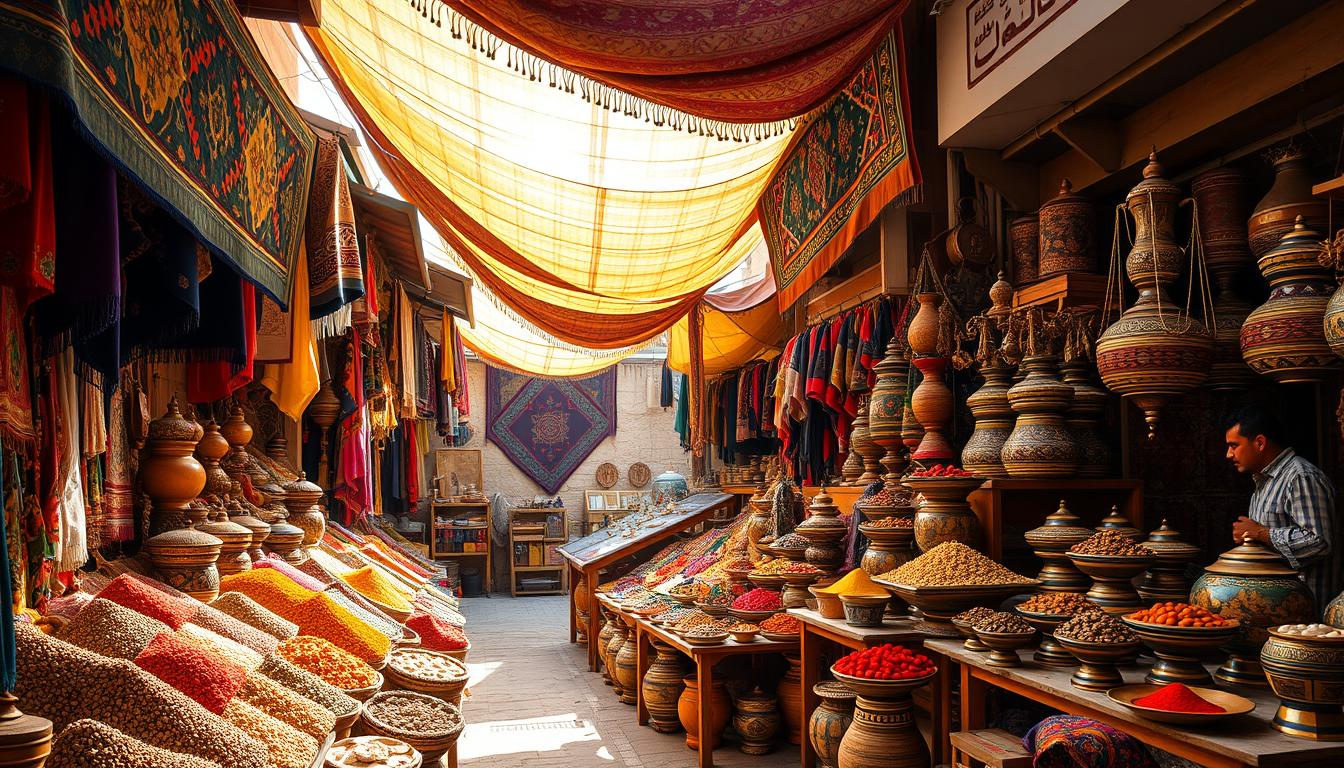
Immerse Yourself in the Heart of Omani Culture
Oman’s souqs and markets are more than just shopping destinations; they are vibrant reflections of the nation’s rich heritage, traditions, and craftsmanship. Stepping into these bustling marketplaces is like embarking on a sensory journey through time, where every corner tells a story, every scent evokes memories, and every item holds a piece of Oman’s soul. Whether you’re a seasoned traveler or a first-time visitor, exploring these markets offers an authentic glimpse into the daily life and enduring customs of the Omani people.
Mutrah Souq: A Timeless Treasure Trove
Nestled along the picturesque Mutrah Corniche in Muscat, Mutrah Souq stands as one of the oldest and most iconic markets in Oman. Its labyrinthine alleys are lined with shops that have been trading goods for centuries, offering a unique blend of history and commerce. As you wander through its narrow pathways, you’ll encounter a dazzling array of products that showcase Oman’s rich cultural tapestry.
The air is infused with the earthy aroma of frankincense, a resin that has been traded since ancient times and remains a staple in Omani culture. Shimmering silver jewelry, intricately designed with traditional Omani motifs, catches the eye, while vibrant textiles and handwoven pashminas invite you to touch and feel the craftsmanship. The market’s lively atmosphere is punctuated by the sounds of bargaining, a customary practice that adds to the authenticity of the experience.
Nizwa Souq: Where Tradition Meets Craftsmanship
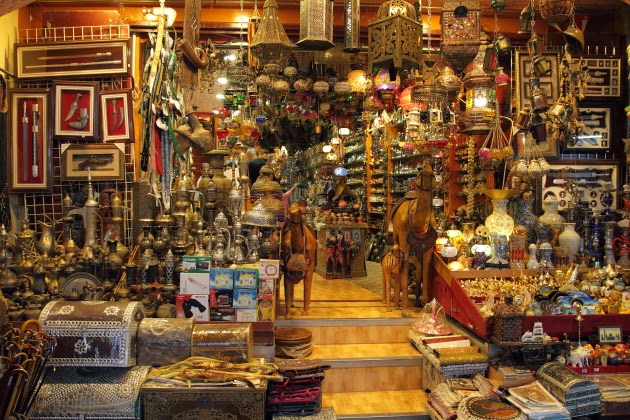
Located in the historic city of Nizwa, Nizwa Souq is a haven for those seeking authentic Omani handicrafts and a taste of traditional life. The market is renowned for its exquisite silverware, particularly the khanjar, a traditional Omani dagger that symbolizes pride and heritage. Skilled artisans display their finely crafted pieces, each telling a story of meticulous craftsmanship and cultural significance.
Beyond silver, Nizwa Souq offers a plethora of other treasures. Hand-painted pottery, vibrant textiles, and aromatic spices fill the stalls, each item reflecting the rich agricultural and artisanal traditions of the region. The market’s proximity to Nizwa Fort adds to its charm, offering visitors a chance to delve deeper into Oman’s history and heritage.
Al Husn Souq: The Fragrant Heart of Salalah
In the southern city of Salalah, Al Husn Souq stands as a testament to the region’s rich history in the frankincense trade. As you enter the market, you’re greeted by the captivating scent of frankincense wafting through the air, a reminder of Oman’s ancient trade routes and cultural exchanges. The market’s offerings are a sensory delight, with stalls brimming with various grades of frankincense, each with its unique aroma and quality.
In addition to frankincense, Al Husn Souq offers a range of other traditional Omani products. Handwoven textiles, intricate jewelry, and aromatic perfumes crafted from local ingredients provide visitors with a comprehensive experience of Omani craftsmanship. The market’s vibrant atmosphere, combined with its rich history, makes it a must-visit destination for those seeking to immerse themselves in Oman’s cultural heritage.
Sinaw Souq: A Glimpse into Bedouin Traditions
For a more authentic and less touristy experience, Sinaw Souq offers a unique insight into the Bedouin way of life. Located in the Al Mudhaibi region, this market is a gathering place for local Bedouins who come to trade livestock, handicrafts, and traditional goods. The market’s raw and unpolished charm provides visitors with a rare glimpse into the daily lives of Oman’s desert dwellers.
Stalls at Sinaw Souq are filled with handwoven baskets, camel accessories, and traditional textiles, each item reflecting the Bedouin’s deep connection to the desert environment. The lively livestock auctions, held on specific days, add to the market’s vibrant atmosphere, offering a unique cultural experience for visitors.
Ibra Souq: Empowering Women Through Commerce
Ibra Souq stands out not only for its traditional offerings but also for its unique structure. Held every Wednesday, this market is exclusively run by women, providing them with an opportunity to showcase their products and engage in commerce. The market’s focus on empowering women reflects Oman’s progressive approach to gender equality and women’s participation in the economy.
Visitors to Ibra Souq can find a variety of traditional Omani products, including intricately designed jewelry, handwoven textiles, and aromatic perfumes. The market’s vibrant atmosphere, combined with its focus on women’s empowerment, offers a refreshing and inspiring experience for all who visit.
Sur Souq: Celebrating Oman’s Maritime Heritage
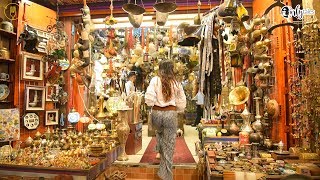
Situated in the coastal city of Sur, Sur Souq offers a unique blend of maritime heritage and traditional commerce. The market is renowned for its miniature dhow boats, handcrafted by skilled artisans who have inherited the craft from generations past. These detailed models serve as a testament to Oman’s rich seafaring history and the importance of dhows in the nation’s maritime trade.
In addition to maritime-themed products, Sur Souq offers a range of other traditional Omani goods. Brass compasses, nautical-themed décor, and handmade leather sandals provide visitors with a comprehensive experience of Oman’s coastal culture. The market’s proximity to the sea adds to its charm, offering visitors a chance to delve deeper into Oman’s maritime heritage.
Sohar Souq: A Blend of Tradition and Modernity
Sohar Souq, located in the northern city of Sohar, offers visitors a unique blend of traditional Omani commerce and modern retail experiences. The market’s strategic location, combined with its diverse offerings, makes it a popular destination for both locals and tourists.
Stalls at Sohar Souq are filled with a variety of products, ranging from traditional Omani textiles and jewelry to modern electronics and fashion items. The market’s diverse offerings reflect Oman’s dynamic economy and the blending of traditional and contemporary influences. Visitors to Sohar Souq can enjoy the best of both worlds, experiencing Oman’s rich cultural heritage alongside its modern advancements.
Tips for Exploring Oman’s Souqs and Markets
To make the most of your visit to Oman’s souqs and markets, consider the following tips:
- Timing: Many souqs open early in the morning and close during the midday heat, reopening in the late afternoon or evening. Visiting during these times allows you to experience the market at its liveliest and most comfortable.
- Bargaining: Haggling is a common practice in Omani markets. Approach negotiations with respect and a friendly demeanor, and you’re likely to enjoy the process.
- Cash: While some larger establishments accept credit cards, many small vendors prefer cash transactions. It’s advisable to carry sufficient Omani rials in small denominations.
- Respect: Always be mindful of local customs and traditions. Dress modestly and seek permission before taking photographs, especially of people.
- Engage: Don’t hesitate to engage with vendors. Many are eager to share the stories behind their products and offer insights into Oman’s rich cultural heritage.
Conclusion: A Journey Through Oman’s Soul
Exploring Oman’s souqs and markets is more than just a shopping experience; it’s a journey into the heart of the nation’s soul. Each market, with its unique offerings and vibrant atmosphere, provides a window into Oman’s rich history, diverse cultures, and enduring traditions. Whether you’re seeking authentic souvenirs, looking to immerse yourself in local life, or simply wanting to experience the warmth and hospitality of the Omani people, the souqs and markets of Oman offer an unforgettable experience that will stay with you long after you’ve left their bustling alleys.
Do follow Gulf Magazine on Instagram.
Also Read – Oman: Harmonizing Heritage and Innovation for a Thriving Future

