


Dubai has introduced a groundbreaking workforce productivity system across its government entities, marking a new chapter in how the emirate manages performance, efficiency, and innovation in the public sector. This strategic move aligns with the city’s long-term vision of becoming one of the most advanced, competitive, and future-ready governments in the world.
The initiative aims not just at improving internal operations but also at enhancing the experience of citizens and residents who depend on government services daily. By focusing on smart performance tracking, digital monitoring, and employee development, Dubai is sending a clear message: its workforce will remain at the heart of its progress.
Why Dubai Launched the Workforce Productivity System
Over the last two decades, Dubai has transformed itself from a regional hub into a global center for innovation, business, and tourism. This success is largely due to strong governance, digital transformation, and forward-looking policies. But as Dubai grows, so does the demand for faster, more efficient, and transparent public services.
The new workforce productivity system was launched to address this demand. By measuring productivity in real time, identifying gaps, and encouraging innovation, it ensures that government employees deliver maximum value. This is not about surveillance but about empowerment—giving employees the tools to improve and recognizing their contributions.
The system also supports Dubai’s broader digital agenda, where artificial intelligence, big data, and smart tools are being integrated into daily operations.
Key Features of the Workforce Productivity System
The workforce productivity system is not just another performance tracker; it’s a comprehensive framework that redefines how efficiency is measured and rewarded. Some of its main features include:
- Real-time Monitoring: Government entities can track tasks, projects, and workflows digitally, ensuring transparency and accountability.
- Data-Driven Insights: Performance reports are generated using advanced analytics, allowing decision-makers to see where improvements are needed.
- Employee Empowerment: The system encourages employees to set goals, monitor progress, and align with organizational priorities.
- Skill Development: It identifies skill gaps and recommends training programs, supporting Dubai’s commitment to continuous learning.
- Service Improvement: By improving workforce efficiency, the ultimate goal is faster, smoother, and more citizen-friendly services.
Together, these features make the system a vital tool for both employees and management, ensuring that productivity is linked to real outcomes, not just numbers.
Benefits for Government Entities and Citizens
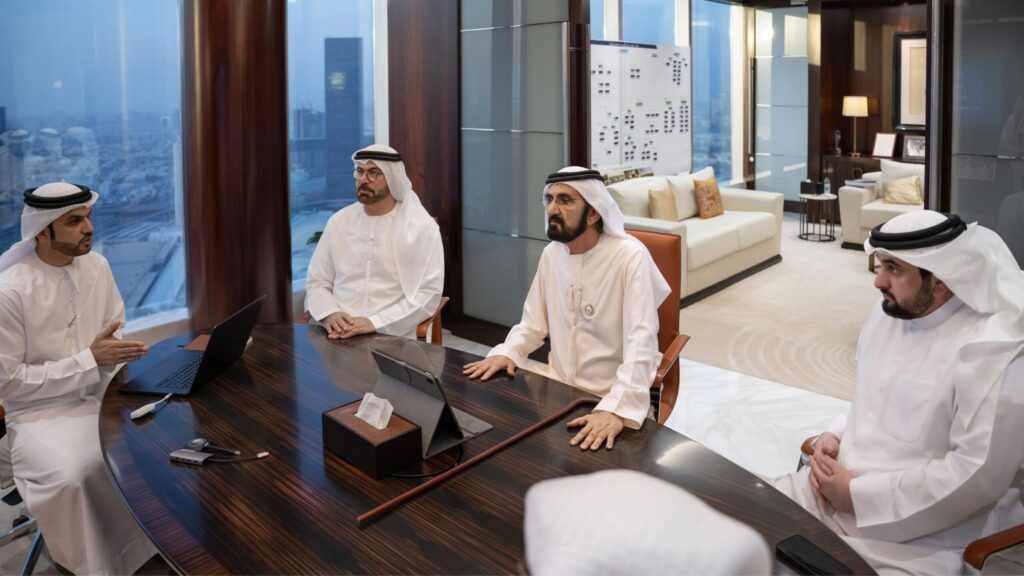
The launch of the workforce productivity system is expected to deliver wide-ranging benefits, not just for employees but also for residents and visitors who rely on Dubai’s government services.
For Government Entities:
- Better decision-making with access to accurate data
- Improved efficiency across departments
- Enhanced teamwork and communication
- Stronger alignment with Dubai’s strategic vision
For Citizens and Residents:
- Faster access to government services
- More transparent and reliable processes
- Higher service quality and innovation
- Reduced waiting times and simplified procedures
Ultimately, this initiative ensures that Dubai’s government remains people-focused, efficient, and future-ready.
A Step Towards Dubai’s Future Vision
Dubai has always placed innovation at the center of its development. From launching smart city projects to adopting blockchain in government processes, the emirate has been ahead of many global counterparts. The workforce productivity system adds another layer to this strategy by making sure that the people driving these innovations—government employees—are working at their best potential.
This step also ties into Dubai’s long-term economic and social plans, including the Dubai Economic Agenda (D33), which aims to double the size of the economy in the next decade. Achieving such an ambitious target requires not only strong leadership but also an efficient and motivated workforce.
How the System Will Shape Workplace Culture
One of the most important aspects of this system is its ability to shape workplace culture. Instead of focusing on rigid rules, it emphasizes flexibility, results, and continuous growth. Employees will be encouraged to collaborate more, think creatively, and find smarter solutions to challenges.
This shift represents a cultural change where performance is not just about working long hours but about achieving meaningful results. Employees who innovate, adapt, and contribute positively will find greater recognition and opportunities.
Technology at the Core of the System
Technology is the backbone of the workforce productivity system. With the integration of AI-powered dashboards, cloud-based tools, and real-time reporting, the system makes tracking seamless and secure. Data is not only collected but also analyzed in ways that give leaders actionable insights.
Dubai’s expertise in using digital tools in governance means that the new system will also set an example for other countries in the region. Many global cities are already watching Dubai’s progress closely, and this initiative may serve as a model for others aiming to modernize their public sectors.
Training and Development for Employees
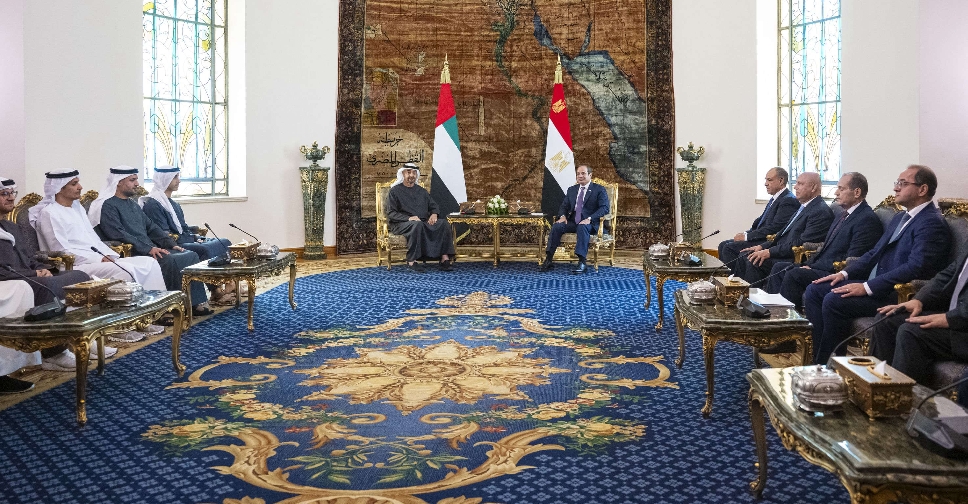
No productivity system can succeed without proper training and support for employees. Dubai has recognized this by introducing parallel programs focused on skill development. Employees will receive regular workshops, online courses, and mentoring opportunities to adapt to the new system.
By investing in human capital, Dubai ensures that the transition to this new model is smooth and that employees see the system as a tool for growth rather than as an added pressure.
Challenges and Opportunities
While the workforce productivity system promises many benefits, it also comes with challenges. Employees may take time to adapt to the new way of working, and some may initially feel monitored. However, Dubai’s approach of focusing on empowerment rather than control is designed to ease this transition.
On the other hand, the opportunities are vast. This system could lead to groundbreaking efficiency levels, making Dubai one of the world’s most advanced public administrations. It also opens doors for new innovations, as employees are encouraged to suggest improvements and solutions.
Global Relevance of Dubai’s Move
Dubai’s decision to launch a workforce productivity system across its government entities is not just relevant locally but globally. Many countries struggle with inefficient bureaucracies and outdated processes. Dubai’s bold step shows how governments can adapt, innovate, and make productivity a central pillar of governance.
By combining technology, training, and vision, Dubai is setting a global standard for what a modern government should look like.
Conclusion
The launch of the Dubai workforce productivity system is a milestone in the emirate’s ongoing journey toward excellence. It highlights the importance of efficiency, innovation, and employee empowerment in building a government that truly serves its people.
By introducing real-time monitoring, data-driven insights, and skill development opportunities, Dubai is not only improving internal efficiency but also enhancing the quality of life for its citizens and residents.
This initiative is more than just a management tool—it is a reflection of Dubai’s commitment to creating a government that is efficient, transparent, and future-ready. With this bold step, Dubai has once again proven why it is a global leader in governance and innovation.
Do Follow Gulf Magazine on Instagram
Also read: UAE National Day Holiday 2025 Five Day Break Expected

