


Eco-friendly cafés are becoming more than just trendy spots to enjoy coffee—they are now at the forefront of the zero-waste movement, transforming the way communities think about sustainability. Across the globe, café owners are adopting innovative practices to reduce waste, promote eco-conscious habits, and inspire customers to make environmentally responsible choices.
The rise of eco-friendly cafés reflects a growing awareness of the environmental impact of our daily habits. From disposable cups to food packaging, traditional cafés often contribute significantly to landfills and pollution. By prioritizing zero-waste initiatives, these cafés not only minimize their carbon footprint but also encourage customers to participate in a larger environmental movement.
What Makes a Café Eco-Friendly?
An eco-friendly café is defined by its commitment to sustainability and environmentally conscious operations. While serving quality food and beverages remains a priority, these cafés integrate practices that reduce waste, conserve energy, and promote ethical sourcing. Some key characteristics include:
- Reusable or Compostable Tableware: Replacing single-use plastic and paper cups with reusable or compostable alternatives.
- Locally Sourced Ingredients: Supporting local farmers and reducing the carbon footprint associated with long-distance food transportation.
- Energy Efficiency: Using energy-saving appliances and renewable energy sources to minimize electricity consumption.
- Waste Management: Implementing effective recycling, composting, and food donation programs to reduce landfill waste.
By integrating these practices, eco-friendly cafés not only help the planet but also create a unique and attractive brand identity that resonates with environmentally conscious consumers.
Zero-Waste Practices in Cafés
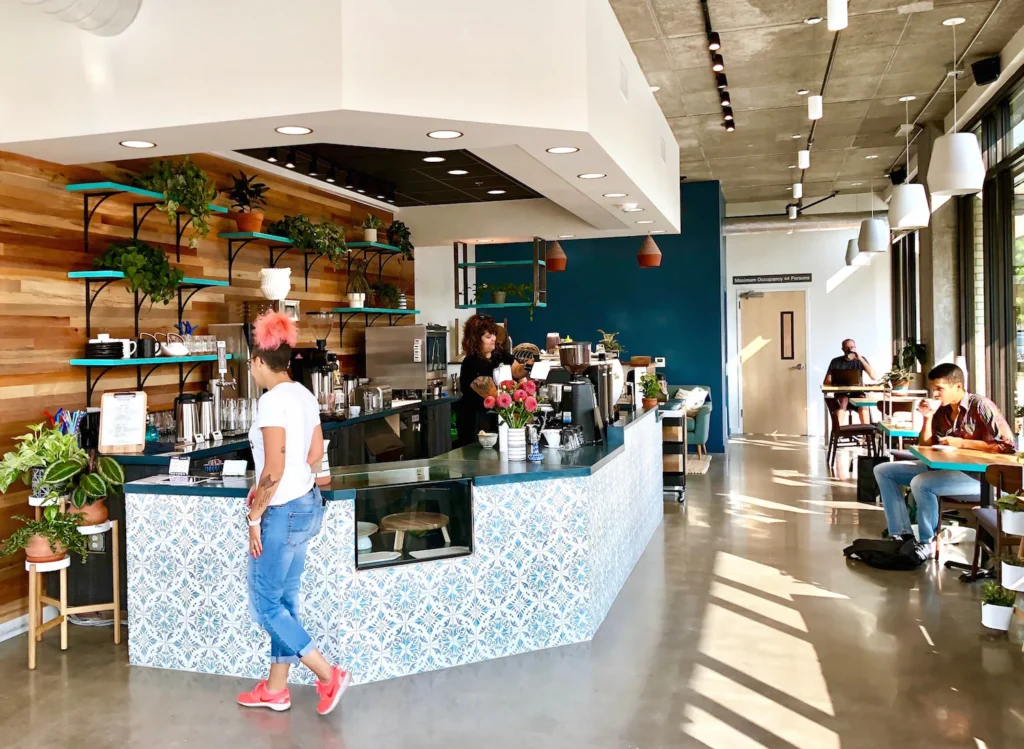
Zero-waste initiatives in cafés aim to completely eliminate waste by rethinking how food, packaging, and resources are used. Here are some common zero-waste strategies implemented by eco-friendly cafés:
1. Eliminating Single-Use Plastics
Plastic straws, cups, and cutlery are a major source of pollution. Many cafés have switched to reusable metal straws, bamboo cutlery, and compostable packaging. Some even encourage customers to bring their own containers or mugs, rewarding them with discounts or loyalty points.
2. Composting Organic Waste
Leftover coffee grounds, fruit peels, and vegetable scraps are valuable resources rather than waste. Composting programs turn organic waste into nutrient-rich soil, often used in local community gardens or returned to farms. This reduces landfill contribution while supporting local agriculture.
3. Upcycling and Creative Reuse
Some cafés have embraced the art of upcycling, turning used coffee grounds into body scrubs or biodegradable planters. Creative reuse not only reduces waste but also engages customers, turning sustainability into a memorable experience.
4. Digital Receipts and Paper Reduction
Digital ordering and receipts reduce paper waste while streamlining the customer experience. Eco-friendly cafés often adopt mobile apps or QR code menus, making operations more efficient and environmentally friendly.
5. Bulk Purchasing and Minimal Packaging
Buying ingredients in bulk reduces packaging waste. Cafés also partner with suppliers that use eco-friendly packaging, further promoting sustainable practices across the supply chain.
Benefits of Eco-Friendly Cafés
Eco-friendly cafés offer advantages beyond environmental sustainability. They foster community awareness, inspire lifestyle changes, and enhance business reputation. Some key benefits include:
- Environmental Impact: Reduced waste and lower carbon footprint help protect ecosystems and natural resources.
- Customer Loyalty: Sustainability-conscious consumers are drawn to cafés that reflect their values.
- Community Engagement: Workshops, recycling initiatives, and local sourcing strengthen community connections.
- Cost Savings: Efficient energy use, bulk purchasing, and waste reduction can lower operational costs over time.
By promoting zero-waste initiatives, cafés become more than just food and beverage outlets—they transform into platforms for positive environmental action.
Case Studies of Leading Eco-Friendly Cafés
Several cafés worldwide have become pioneers in zero-waste operations, inspiring others to follow suit.
1. Café Gratitude – California, USA
Café Gratitude focuses on organic, locally sourced ingredients and eliminates single-use plastics. The café offers rewards for customers who bring reusable containers, creating a culture of sustainability that extends beyond its walls.
2. 26 Grains – London, UK
This café has adopted a zero-waste kitchen and emphasizes plant-based meals to reduce environmental impact. Food scraps are composted, and packaging is fully biodegradable. 26 Grains demonstrates that delicious cuisine and eco-conscious practices can go hand in hand.
3. Urth Caffé – California, USA
Urth Caffé implements comprehensive recycling and composting systems, sourcing locally whenever possible. Their coffee grounds are repurposed for community gardens, highlighting the potential of café waste as a resource.
4. Café Integral – New York, USA
Café Integral emphasizes ethical sourcing and zero-waste operations. The café actively educates customers about sustainable coffee practices, combining high-quality beverages with environmental responsibility.
These examples show how cafés can successfully integrate eco-friendly practices without compromising quality or customer experience.
How Customers Can Support Zero-Waste Cafés
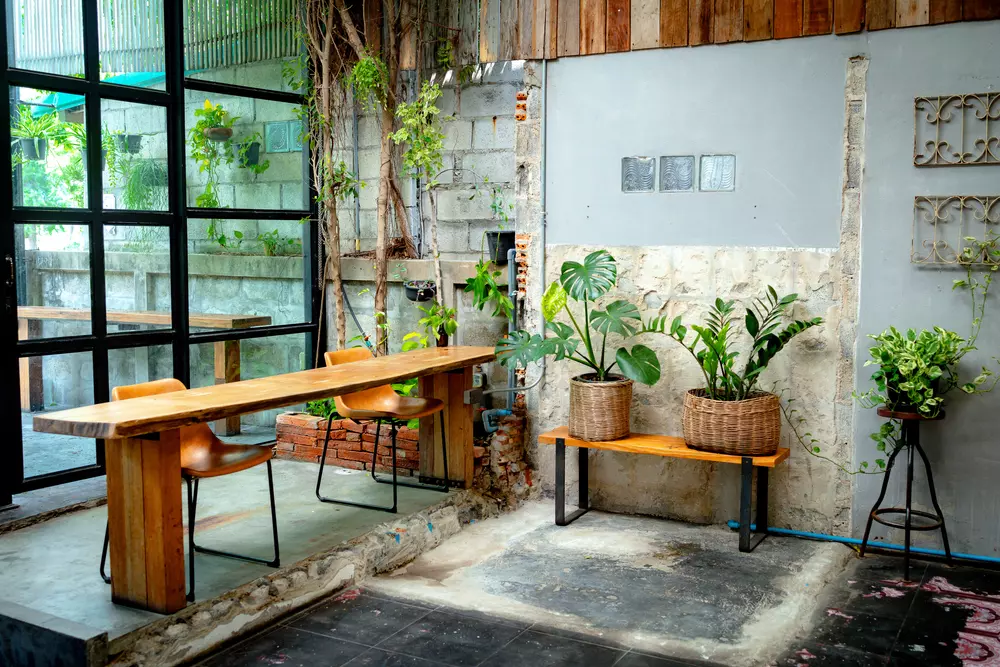
Customers play a crucial role in the success of eco-friendly cafés. Simple actions can help amplify sustainability efforts:
- Bring Reusable Containers: Carry your own mug or food container to reduce single-use waste.
- Choose Plant-Based Options: Selecting vegetarian or vegan dishes lowers environmental impact.
- Participate in Recycling Programs: Use café recycling bins and follow composting guidelines.
- Spread Awareness: Share your experiences on social media to inspire others to adopt sustainable habits.
When customers actively participate, cafés can achieve greater environmental impact while fostering a community of eco-conscious individuals.
The Future of Eco-Friendly Cafés
The zero-waste movement in the café industry is likely to expand as sustainability becomes a mainstream priority. Future trends may include:
- Smart Packaging Solutions: Biodegradable and edible packaging to further reduce waste.
- Community-Based Sustainability Projects: Cafés collaborating with schools, NGOs, and local governments for environmental education.
- Green Building Design: Cafés constructed using eco-friendly materials and energy-efficient designs.
- Circular Economy Models: Turning waste into new products within the café ecosystem, from compost to upcycled merchandise.
By continuously innovating, eco-friendly cafés will play a pivotal role in shaping a sustainable future for the food and beverage industry.
Conclusion
Eco-friendly cafés promoting zero-waste initiatives are more than a trend—they represent a shift toward responsible, mindful living. Through creative practices, sustainable sourcing, and community engagement, these cafés show that small changes can make a big difference. For customers, supporting such cafés is an opportunity to participate in environmental conservation while enjoying quality food and beverages.
As the demand for sustainability grows, zero-waste cafés will continue to inspire individuals and businesses alike to rethink waste, embrace eco-conscious practices, and champion a greener future.
By visiting, supporting, and advocating for eco-friendly cafés, each of us can contribute to a healthier planet—one cup of coffee at a time.
Do Follow Gulf Magazine on Instagram
Also read: Artisanal Cafés in Kuwait City Redefining Coffee Culture

