

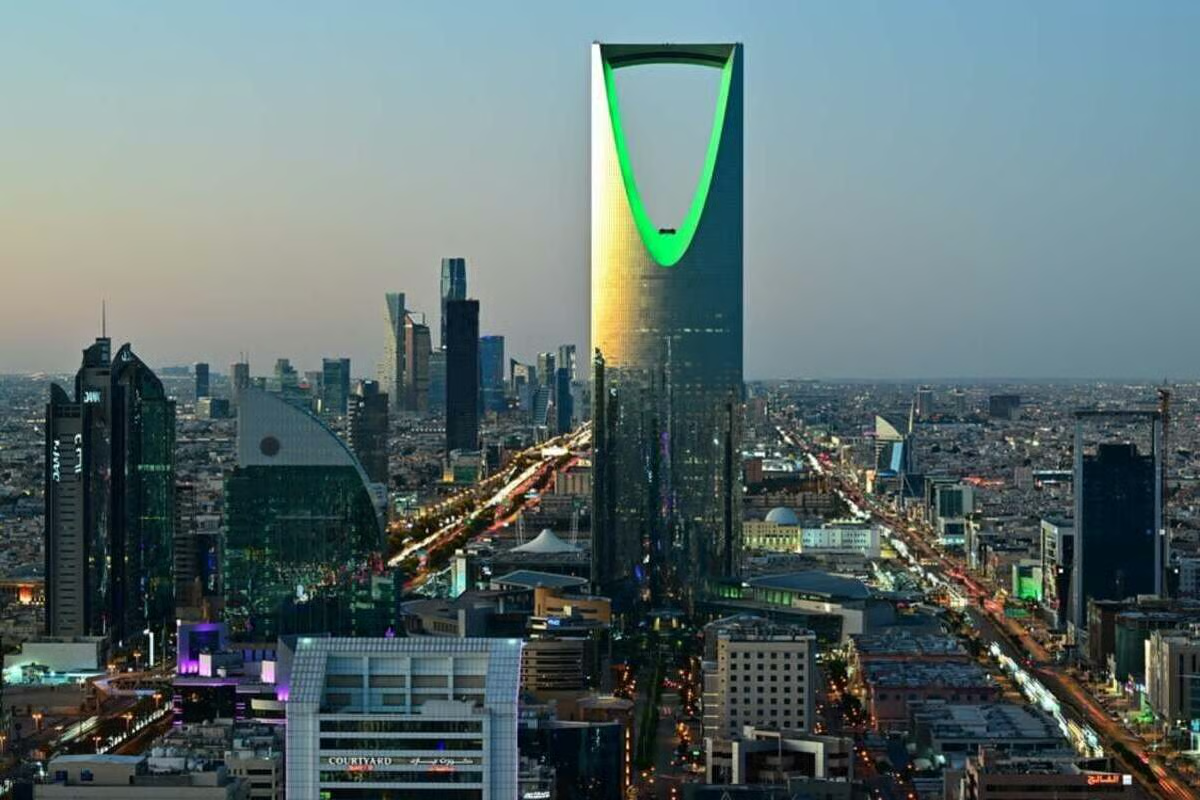
As the global economy continues to face numerous challenges, Saudi Arabia’s inflation rate has emerged as a focal point of discussion. With projections indicating that Saudi Arabia’s inflation will end 2025 at 2%, this stable outlook offers insights into the nation’s economic resilience and the strategies implemented to achieve such a goal. Understanding what this means for both the economy and everyday consumers is essential in grasping the larger picture of Saudi Arabia’s financial landscape.
Understanding Inflation and Its Implications
Inflation refers to the rate at which the general level of prices for goods and services rises, eroding purchasing power. A controlled inflation rate, such as the anticipated 2% in Saudi Arabia by the end of 2025, signifies a healthy economy where prices increase at a manageable pace. This stability fosters consumer confidence and encourages spending, which is critical for economic growth.
The Saudi Arabian government has employed various measures to curb inflation while supporting economic expansion. These measures include fiscal policies, adjustments to interest rates, and investments in infrastructure. By strategically managing these elements, the Kingdom aims to create a balanced economic environment that benefits both businesses and consumers.
The Factors Behind the Projected Inflation Rate
Several factors contribute to the projected inflation rate of 2% in Saudi Arabia by the end of 2025. Among these are:
Fiscal Policies: The Saudi government has been proactive in implementing fiscal policies that promote economic stability. This includes managing public spending and enhancing revenue streams through diversification efforts.
Monetary Policy: The Saudi central bank’s monetary policy plays a crucial role in controlling inflation. By adjusting interest rates and managing the money supply, the bank can influence inflation trends effectively.
Supply Chain Management: Improvements in supply chain logistics have helped mitigate price fluctuations. Enhanced efficiencies in transport and distribution reduce costs, which can, in turn, stabilize prices.
Investment in Renewable Energy: As Saudi Arabia diversifies its economy beyond oil, investments in renewable energy are expected to lower energy costs in the long run. This shift could also play a role in maintaining low inflation rates.

Consumer Impact: What Does 2% Inflation Mean?
For everyday consumers, an inflation rate of 2% can have both positive and negative impacts. On one hand, a stable inflation rate helps maintain purchasing power, allowing individuals to plan their finances more effectively. It creates an environment where consumers can expect prices to rise only slightly, rather than experiencing unpredictable spikes.
On the other hand, it’s essential to consider the broader economic context. If wages do not keep pace with inflation, even a modest increase in prices can strain household budgets. Therefore, while 2% inflation is generally viewed as manageable, the real effects on consumers will depend on wage growth and overall economic conditions.
The Role of Government Initiatives
The Saudi government has initiated several programs aimed at controlling inflation and supporting economic growth. These initiatives include:
Vision 2030: This ambitious plan aims to diversify the economy away from oil dependence. By fostering innovation and entrepreneurship, Vision 2030 seeks to create a more resilient economy less susceptible to inflationary pressures.
Subsidy Reforms: The government has also been reforming subsidies to align with global prices. While this may create short-term price increases, the long-term effect is expected to stabilize the economy and reduce inflation.
Social Programs: To support low-income families during times of inflation, the government has enhanced social programs. These measures help cushion the impact of rising prices on vulnerable populations.
Global Economic Context: Challenges Ahead
While Saudi Arabia’s inflation is projected to end at 2% in 2025, the global economic landscape presents ongoing challenges. Factors such as geopolitical tensions, fluctuating oil prices, and supply chain disruptions can all impact inflation rates. The global economy is interconnected, and events in one region can have ripple effects elsewhere.
The Kingdom must remain vigilant and adaptable to navigate these complexities. By continuously monitoring global economic trends and adjusting policies accordingly, Saudi Arabia can maintain its inflation targets while fostering a robust economy.
Conclusion: A Stable Future for Saudi Arabia
The projection that Saudi Arabia’s inflation will end 2025 at 2% is a positive indicator of economic stability. This outlook reflects the government’s commitment to implementing effective policies while diversifying the economy. As consumers and businesses alike benefit from a stable inflation rate, the Kingdom can look forward to a resilient economic future.
Ultimately, the success of these measures will depend on the continuous engagement of all stakeholders within the economy. By fostering collaboration and innovation, Saudi Arabia is paving the way for sustainable growth in the years to come.
Do follow Gulf Magazine on Instagram.
Also Read – Gulf Bank Distributes Ramadan Food Packages to Needy Families

