

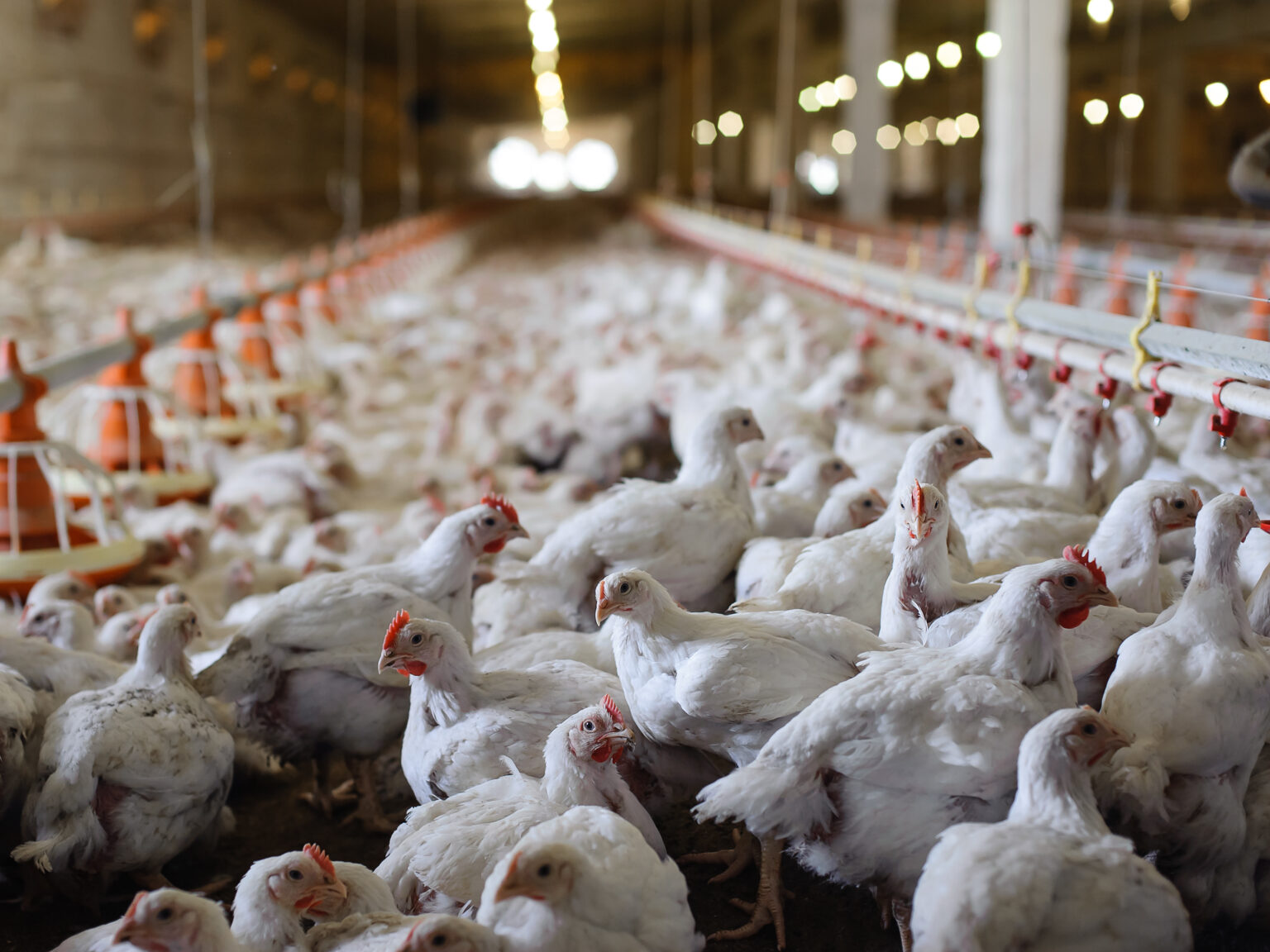
In a significant move that impacts both the agricultural and economic landscape of the nation, Saudi Arabia has suspended poultry and egg imports due to rising concerns over avian diseases. This decision has sent ripples through the food supply chain, affecting consumers, farmers, and businesses alike. Understanding the implications of this suspension is crucial for anyone interested in the poultry sector and food security in the region.
Why Avian Diseases Prompted a Suspension of Imports
Avian diseases, particularly outbreaks of highly pathogenic avian influenza (HPAI), have become a pressing issue for poultry-producing countries worldwide. These diseases not only threaten the health of birds but can also have devastating effects on human health and the economy. In Saudi Arabia, the government has prioritized public health and food safety, leading to the decision to halt imports of poultry and eggs.
The suspension of imports is a protective measure aimed at preventing the entry of infected products into the country. This decision underscores the importance of safeguarding local poultry farms and ensuring that the domestic supply of chicken and eggs remains safe for consumers.
Understanding the Impact on Local Farmers and Consumers
The suspension of Saudi poultry and egg imports has created a multifaceted impact on both local farmers and consumers.
Local farmers may face a temporary shortage of imported breeds, which could affect their production capabilities. Many poultry farms rely on imports to supplement their stock and maintain a diverse genetic pool. As a result, they may need to adapt quickly to ensure that their operations remain viable.
For consumers, the suspension could lead to fluctuations in prices and availability. With imports on hold, local suppliers will need to enhance their production efforts to meet demand, which may influence market prices. It’s essential for consumers to stay informed about local produce and consider supporting homegrown options during this period.
The Broader Economic Ramifications of the Import Ban
The suspension of poultry and egg imports extends beyond the immediate concerns of farmers and consumers. It has broader economic implications as well. The poultry industry plays a vital role in the Saudi economy, contributing significantly to employment and food security.
With the import ban in place, businesses that rely on importing poultry products may experience disruptions. Companies involved in processing, distribution, and retail may face challenges in maintaining their supply chains. This could lead to increased costs, which may ultimately be passed on to consumers.
Furthermore, the suspension may affect trade relations with exporting countries. Saudi Arabia’s decision can prompt discussions and negotiations to ensure that any future imports meet stringent health and safety standards, which could alter the dynamics of international poultry trade.
The Importance of Biosecurity Measures in Poultry Farming
As the suspension of imports highlights the risks associated with avian diseases, it brings attention to the importance of biosecurity measures within the poultry industry. Farmers must adopt stringent biosecurity protocols to protect their flocks from infection. This includes measures such as controlling access to poultry houses, maintaining clean and disinfected environments, and monitoring bird health closely.
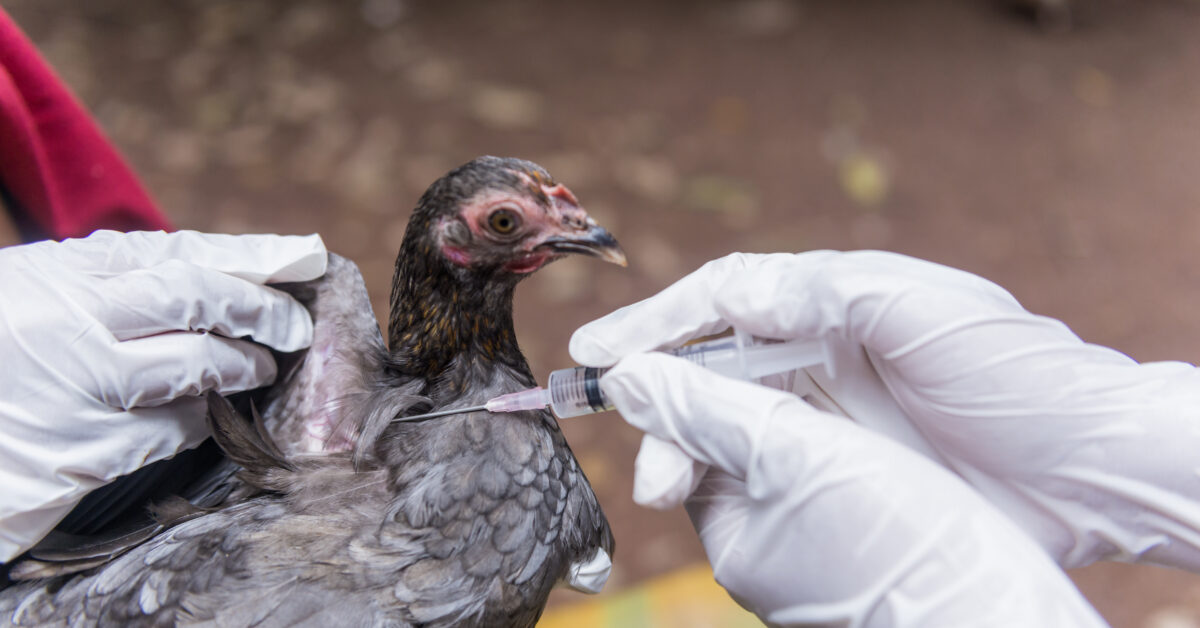
Implementing robust biosecurity practices not only helps prevent the spread of diseases but also builds consumer confidence in the safety of poultry products. By prioritizing biosecurity, farmers can safeguard their livelihoods while contributing to the overall health of the agricultural sector.
How the Government is Responding to the Crisis
In response to the suspension of poultry and egg imports, the Saudi government is actively working to address the challenges posed by avian diseases. Authorities are likely to enhance surveillance programs aimed at early detection and response to outbreaks. This can involve collaboration with local farmers to monitor flock health and implement necessary interventions.
Additionally, the government may provide support to farmers affected by the import ban. This could include financial assistance, resources for improving biosecurity measures, and educational programs to raise awareness about disease prevention. By fostering a collaborative approach, the government can help ensure the long-term sustainability of the poultry industry.
Tips for Consumers During the Import Suspension
Consumers can take proactive steps to navigate the challenges posed by the suspension of poultry and egg imports. Here are some practical tips:
Support Local Farmers: Purchase poultry and eggs from local farms and markets. This not only supports the community but also ensures fresher products.
Stay Informed: Keep an eye on news regarding the poultry industry and any updates from the government about the import situation. Understanding the landscape can help consumers make informed choices.
Explore Alternatives: Consider incorporating a variety of proteins and alternatives into your diet. This can help mitigate any potential shortages and provide a diverse range of nutrients.
Practice Food Safety: Continue to follow food safety guidelines when handling and preparing poultry products. This ensures that you and your family remain healthy during this period of uncertainty.
The Future of Poultry Production in Saudi Arabia
Looking ahead, the suspension of poultry and egg imports could lead to a transformative period for the Saudi poultry industry. As the government and local farmers adapt to current challenges, there may be opportunities for growth and innovation.
Investments in biosecurity, research, and development of disease-resistant poultry breeds could pave the way for a more resilient industry. Additionally, the focus on local production may stimulate economic growth and enhance food security in the long run.
Conclusion: Navigating the New Landscape of Poultry Imports
The suspension of Saudi poultry and egg imports over avian diseases is a critical development that affects various stakeholders, from farmers to consumers. While the immediate consequences may seem daunting, they also present an opportunity for the poultry industry to strengthen its biosecurity measures and focus on local production.
By staying informed and supporting local farmers, consumers can contribute positively during this transitional period. The future of poultry production in Saudi Arabia will depend on collaboration, innovation, and a commitment to maintaining the health and safety of both the industry and its consumers.
Do Follow Gulf Magazine on Instagram
Also read: Tourism expansion goals under Vision 2030 strategic plans

